
Subscribe
On The NewsSubscribe
confirmed Your subscription to our list has been confirmed.


















PAD Paris 2026: where design becomes a language of living
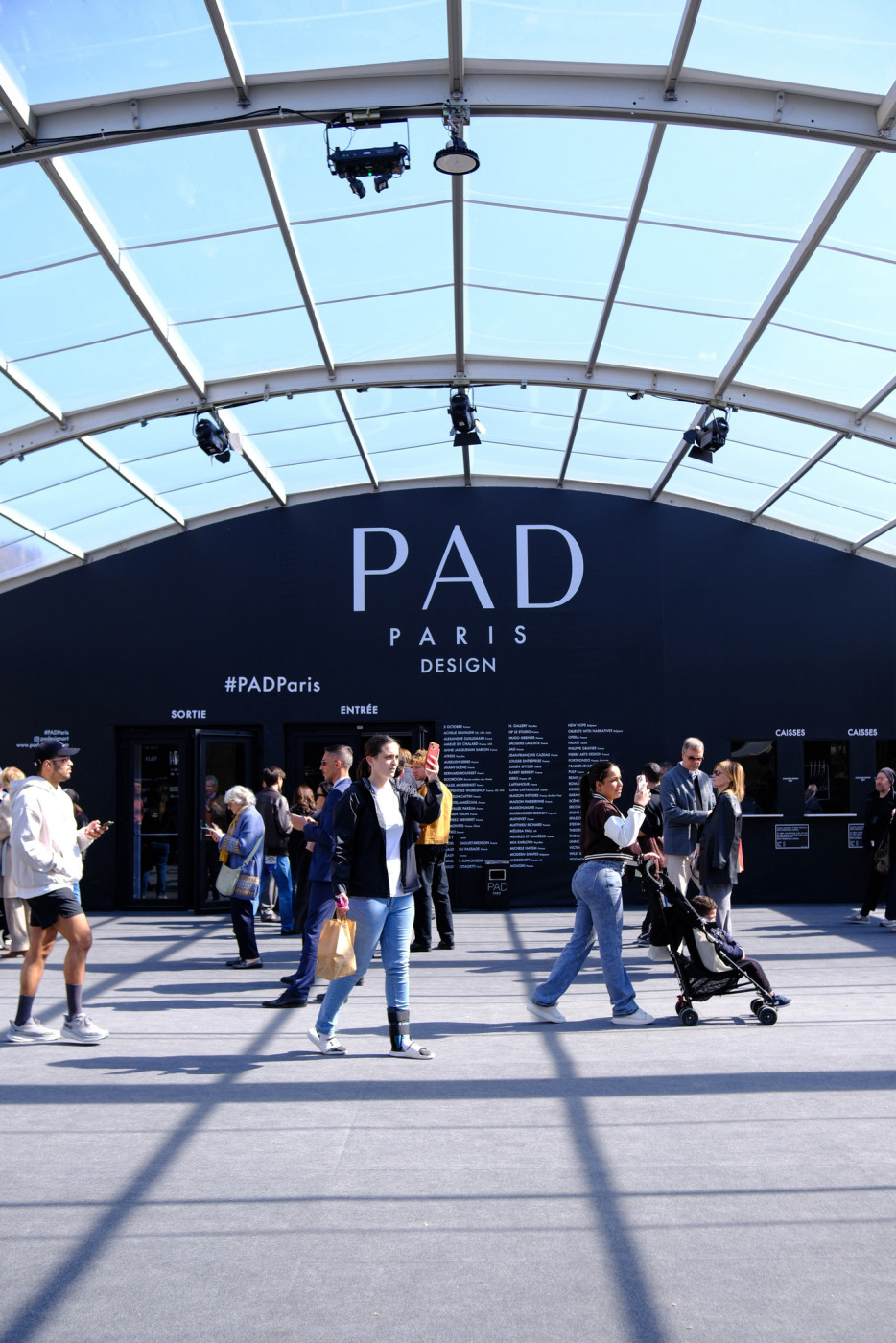
Each spring, the Jardin des Tuileries transforms into more than a destination — it becomes a point of convergence for cultures, aesthetics, and generations. PAD Paris is not a fair in the traditional sense, but a curated ecosystem where design exists as both a discipline and a way of thinking .
This year, the fair brings together 77 international and French galleries, reflecting the diversity and complexity of the contemporary design scene. From historical pieces to cutting-edge contemporary works, PAD creates a dialogue between eras, materials, and perspectives — a space where design is both collectible and cultural .
Rather than presenting objects in isolation, each gallery constructs a narrative. Every stand becomes a scenography, every piece — part of a larger story. With over 26,000 visitors annually, PAD continues to position itself as a key platform where market, culture, and creation intersect
Among the leading voices, Carpenters Workshop Gallery exemplifies the evolving language of collectible design. Founded in London and now operating globally, the gallery is known for pushing the boundaries between art, architecture, and functional objects, producing limited-edition works through a close collaboration between artists and master artisans.
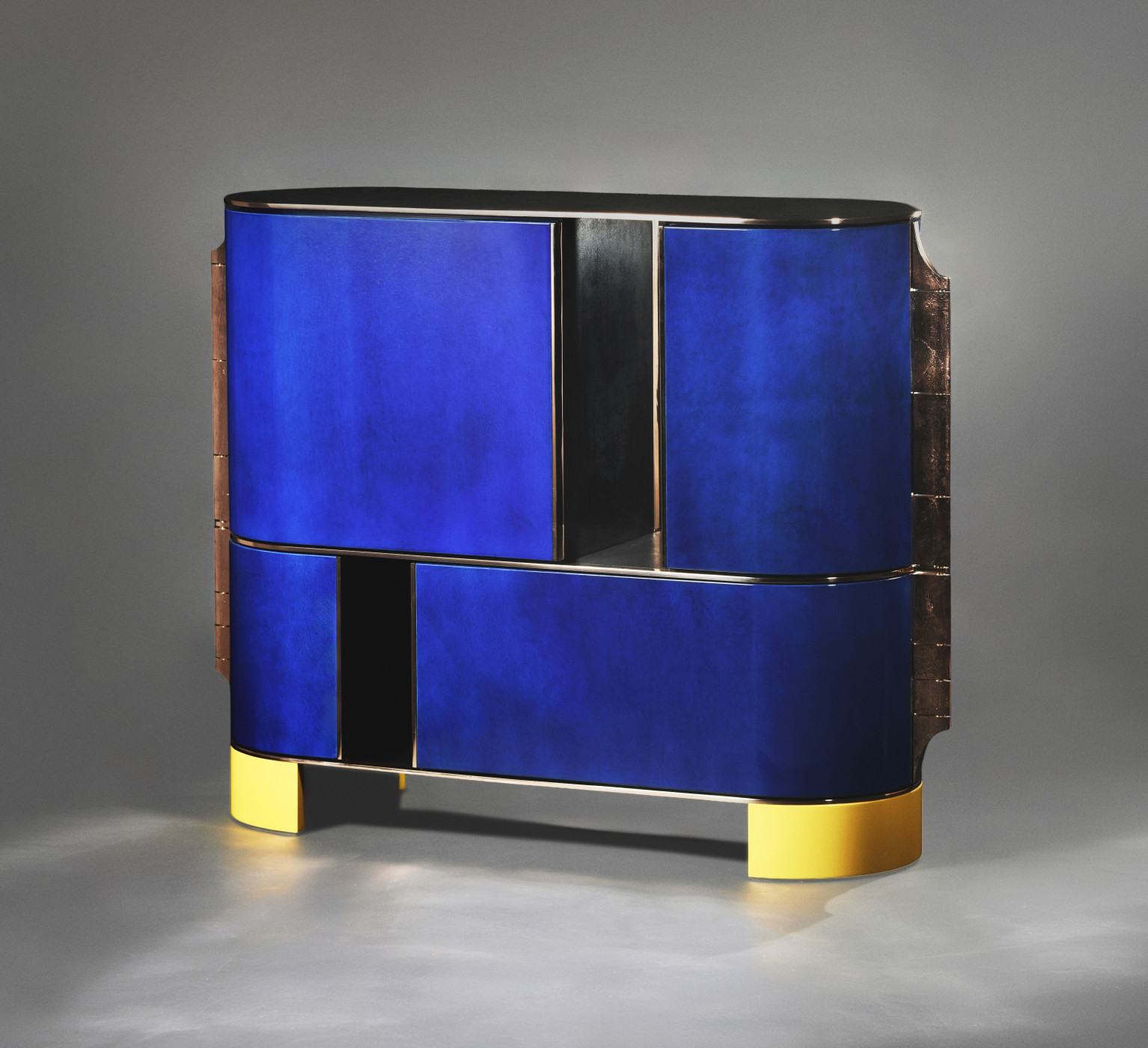
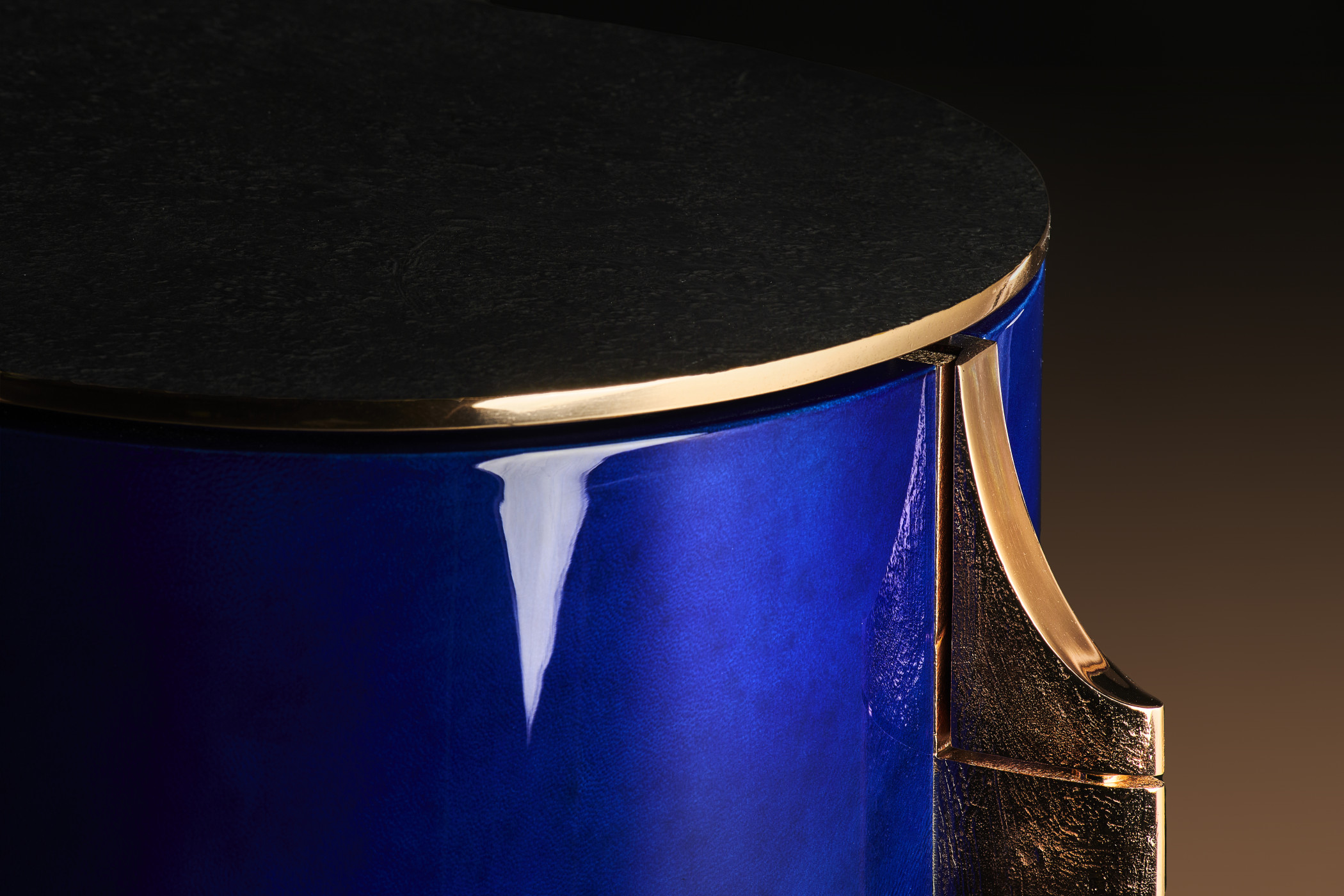
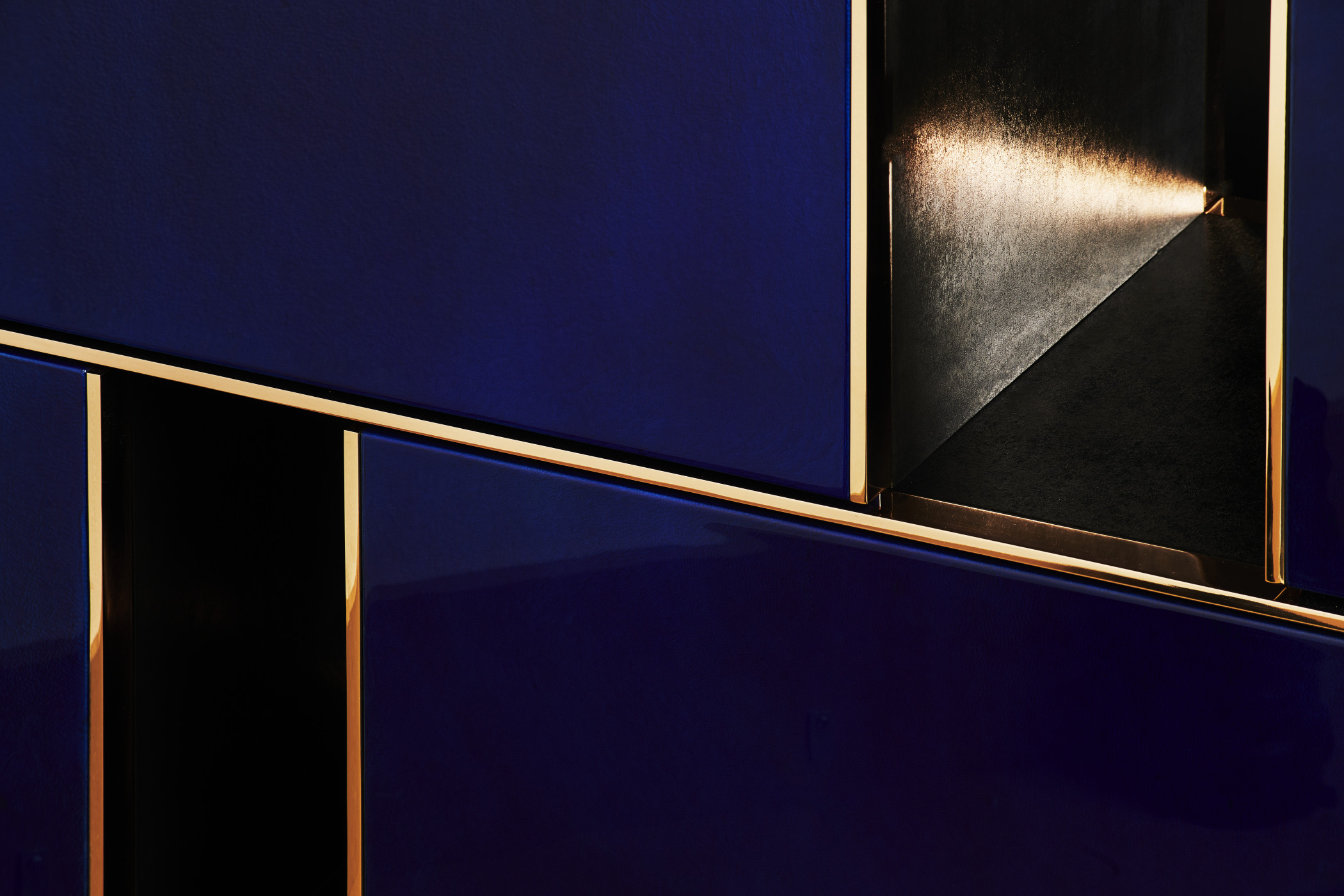
Alongside, the presence of architects and designers such as Achille Salvagni introduces a more sculptural and narrative-driven approach to collectible design. Known for his refined dialogue between classical references and contemporary craftsmanship, Salvagni presents works that transform historical inspiration into tactile, collectible objects. Among them, a bar cabinet in blue parchment with bronze detailing draws from an Art Deco cigarette case once belonging to the Maharaja of Indore — reinterpreted at scale into a contemporary piece. In contrast, a side table finished in 24-carat gold leaf captures the fleeting moment of a water drop in motion, frozen into a sculptural form supported by cast bronze elements .
Through this duality — between heritage and experimentation — Salvagni’s work reflects PAD’s broader vision: design as a bridge between past narratives and present-day expression.
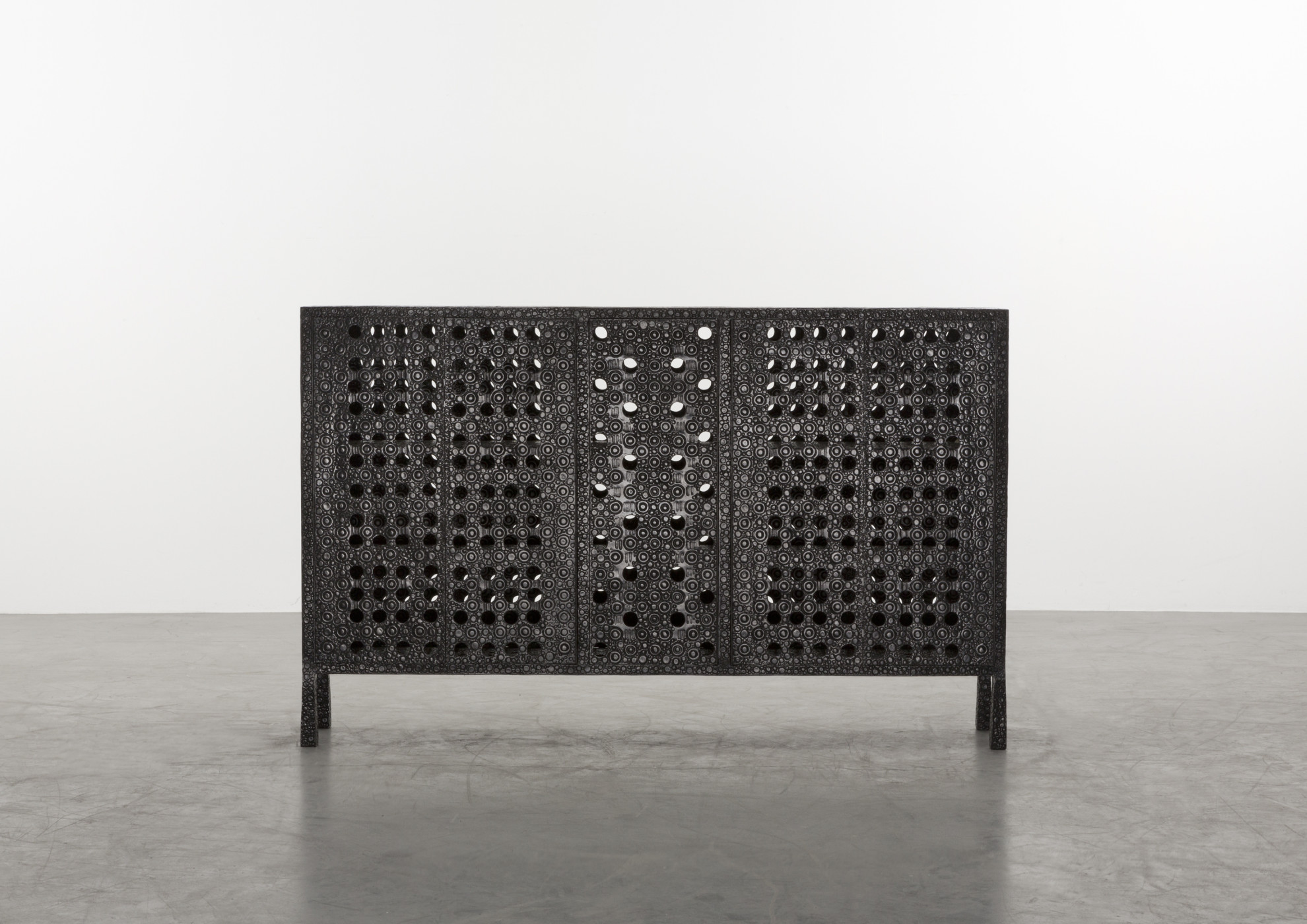
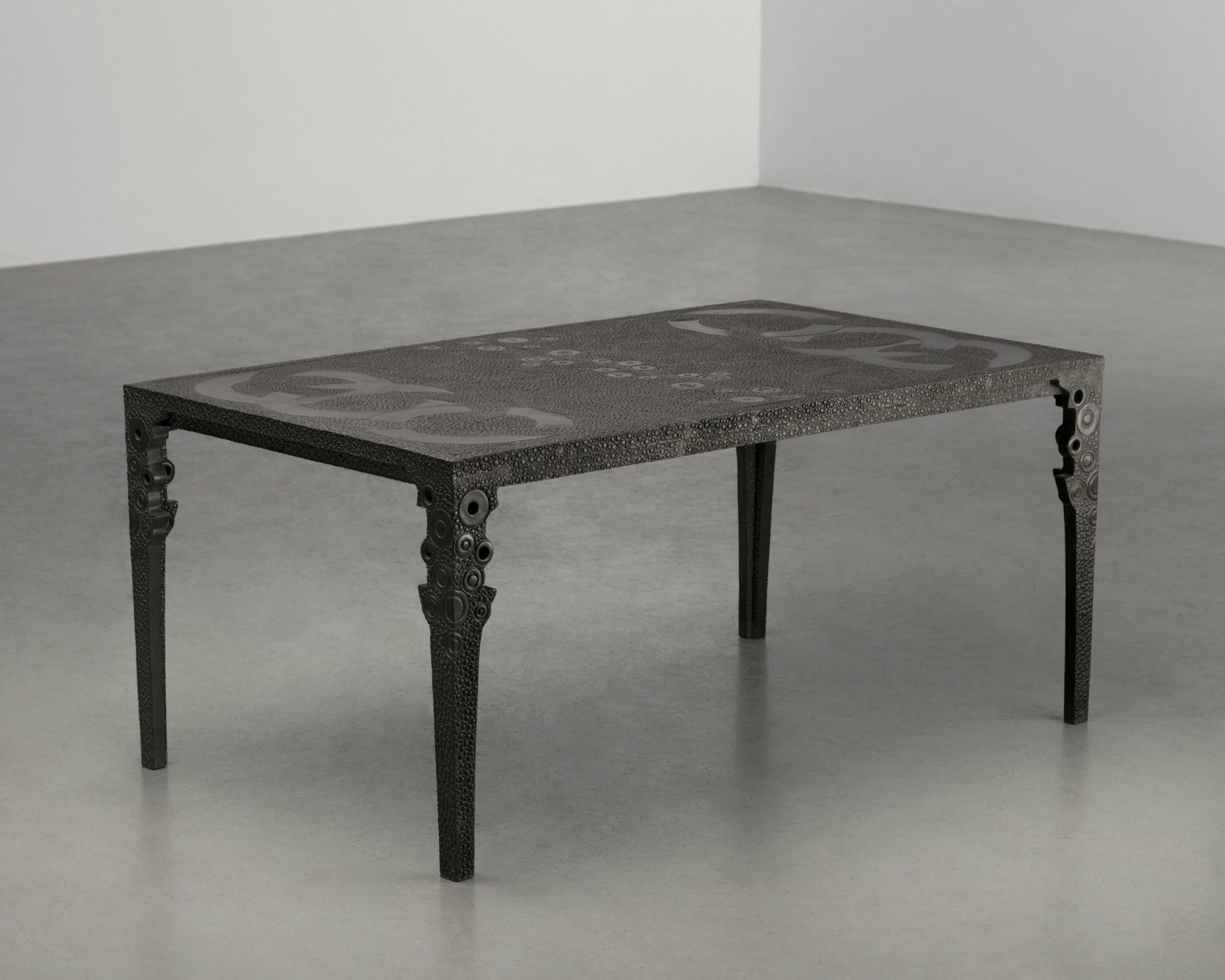
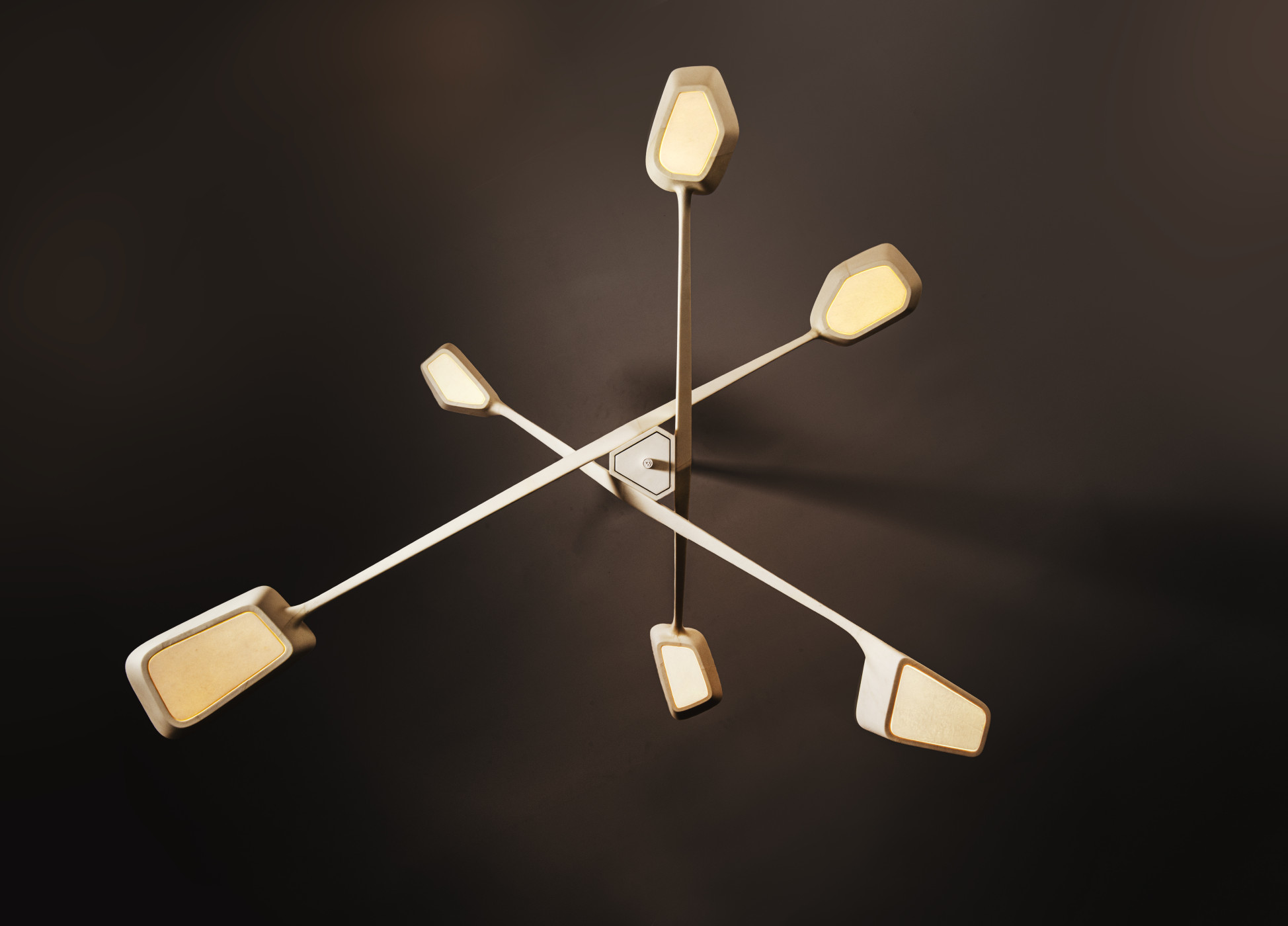
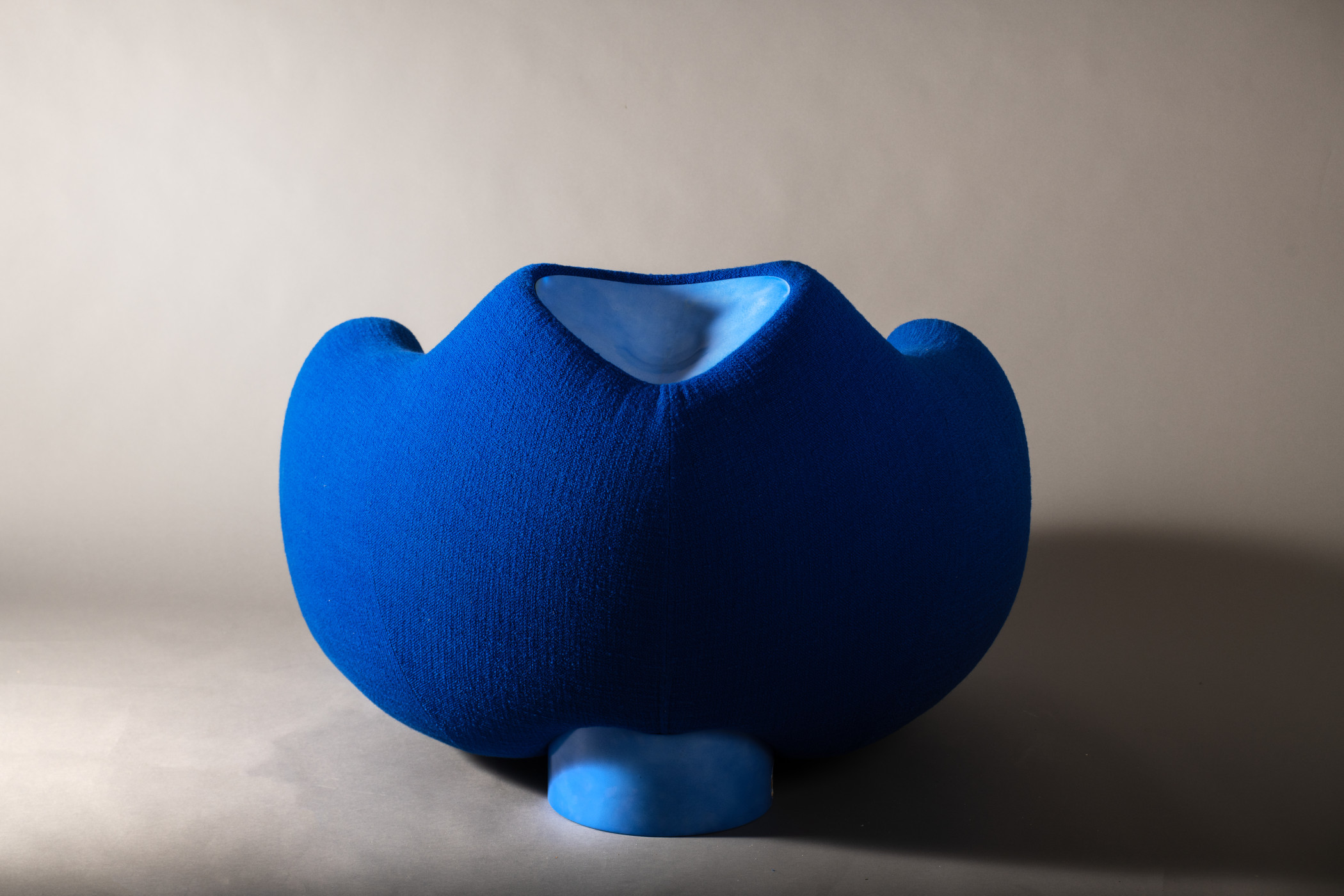
Elsewhere, galleries such as Remix Gallery and Galerie Aurélien Jeauneau offer two distinct yet complementary readings of design history.
Remix Gallery revisits the radical energy of the 1980s through a contemporary lens, bringing forward iconic postmodern works by figures such as Philippe Starck and Ettore Sottsass, and reframing a decade defined by experimentation, bold forms, and cultural shifts .
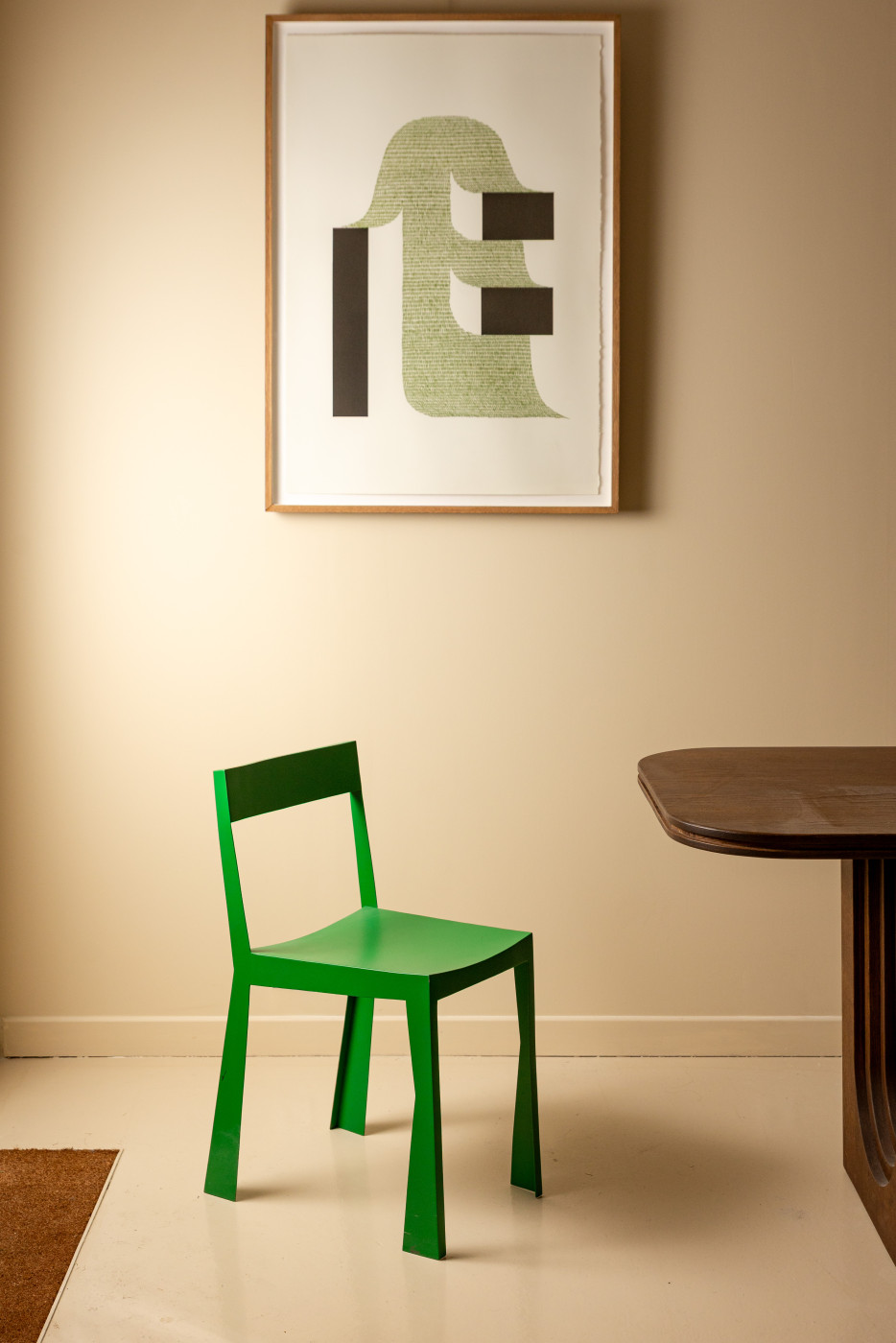
In contrast, Galerie Aurélien Jeauneau presents Present Matter — an installation that explores material as a living bridge between historical and contemporary design. Through a dialogue between mid-century pieces by Pierre Guariche and contemporary works by designers such as Oud Architecture and Isabelle Stanislas, the project dissolves temporal boundaries and positions material itself as a carrier of memory and transformation
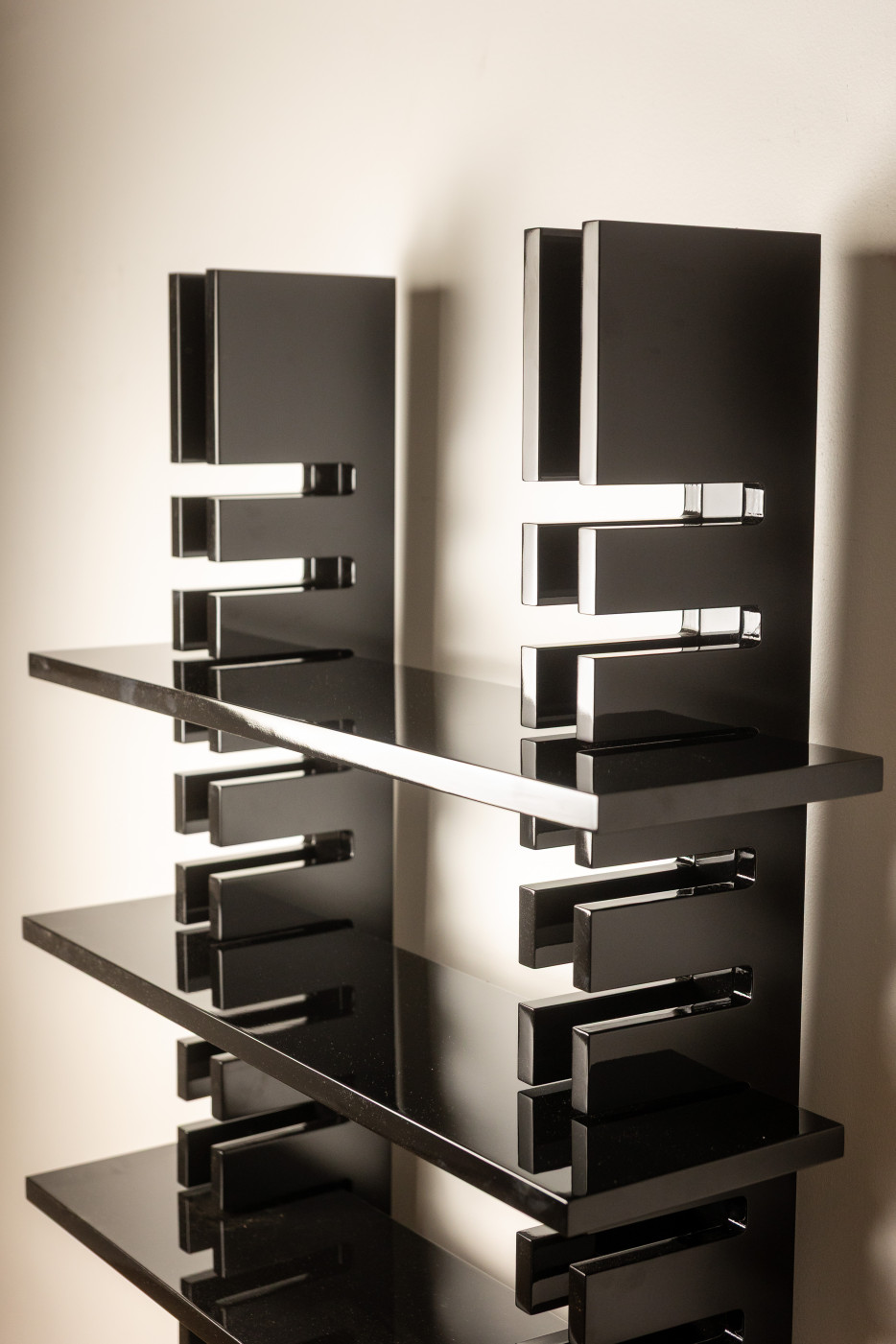
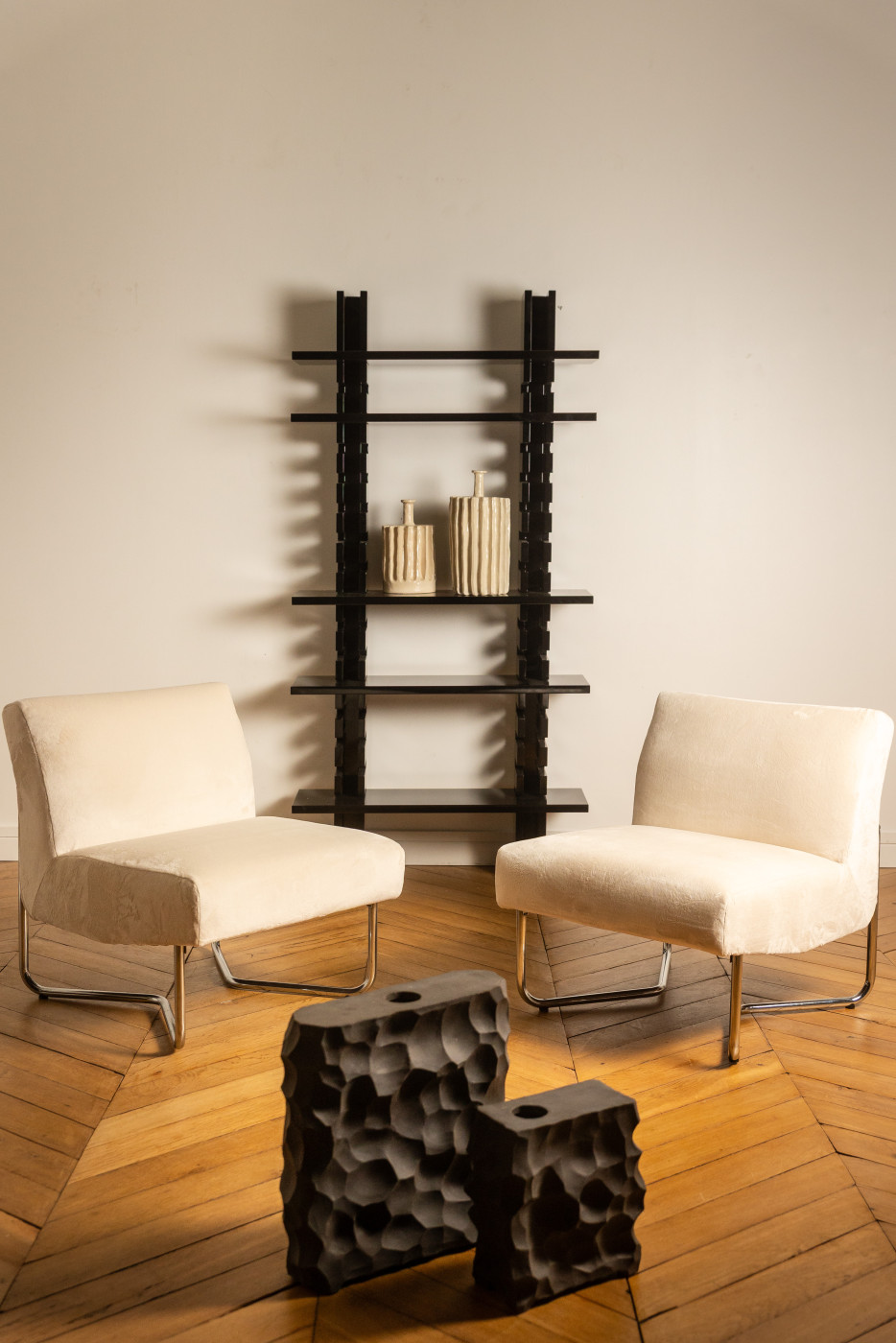
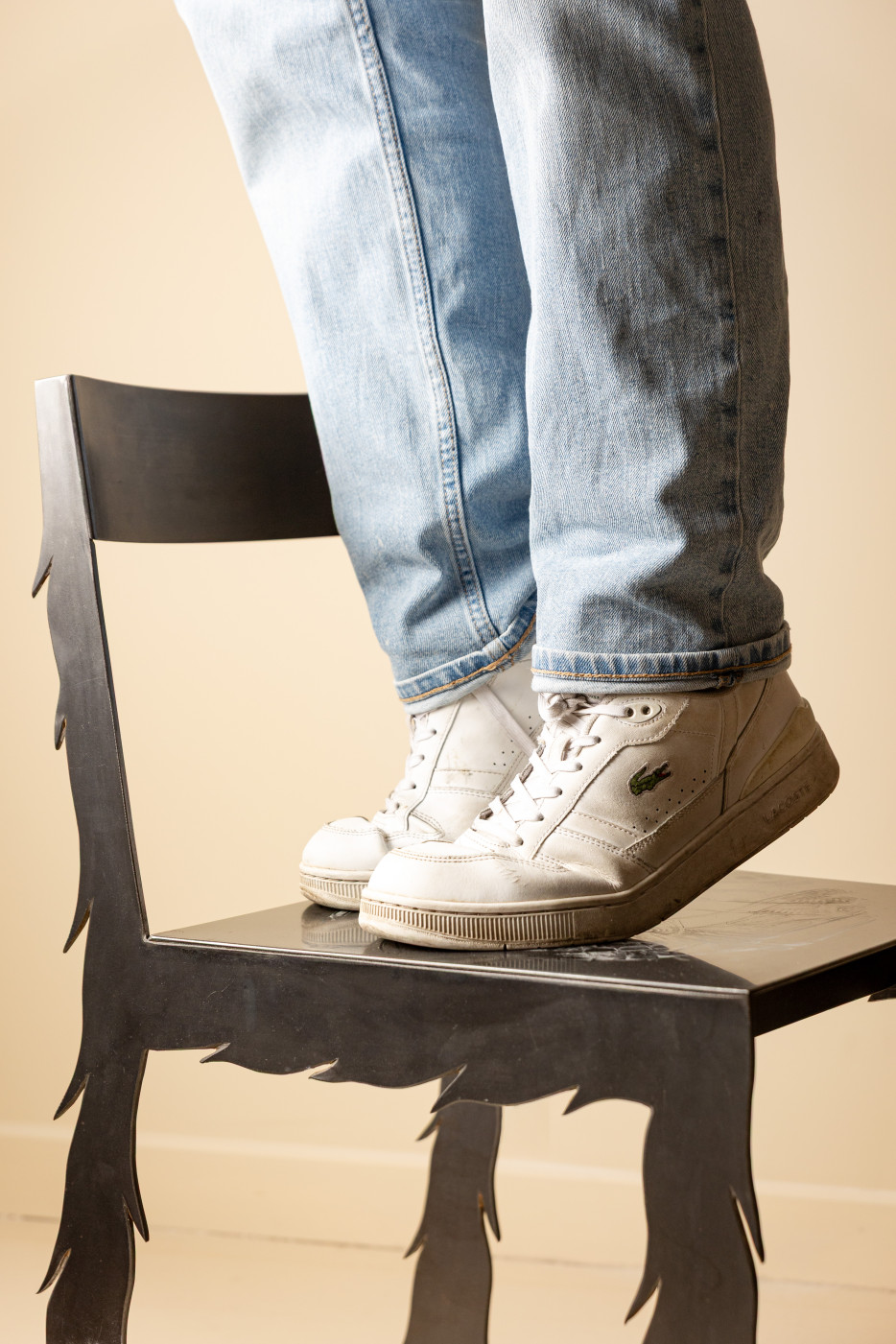
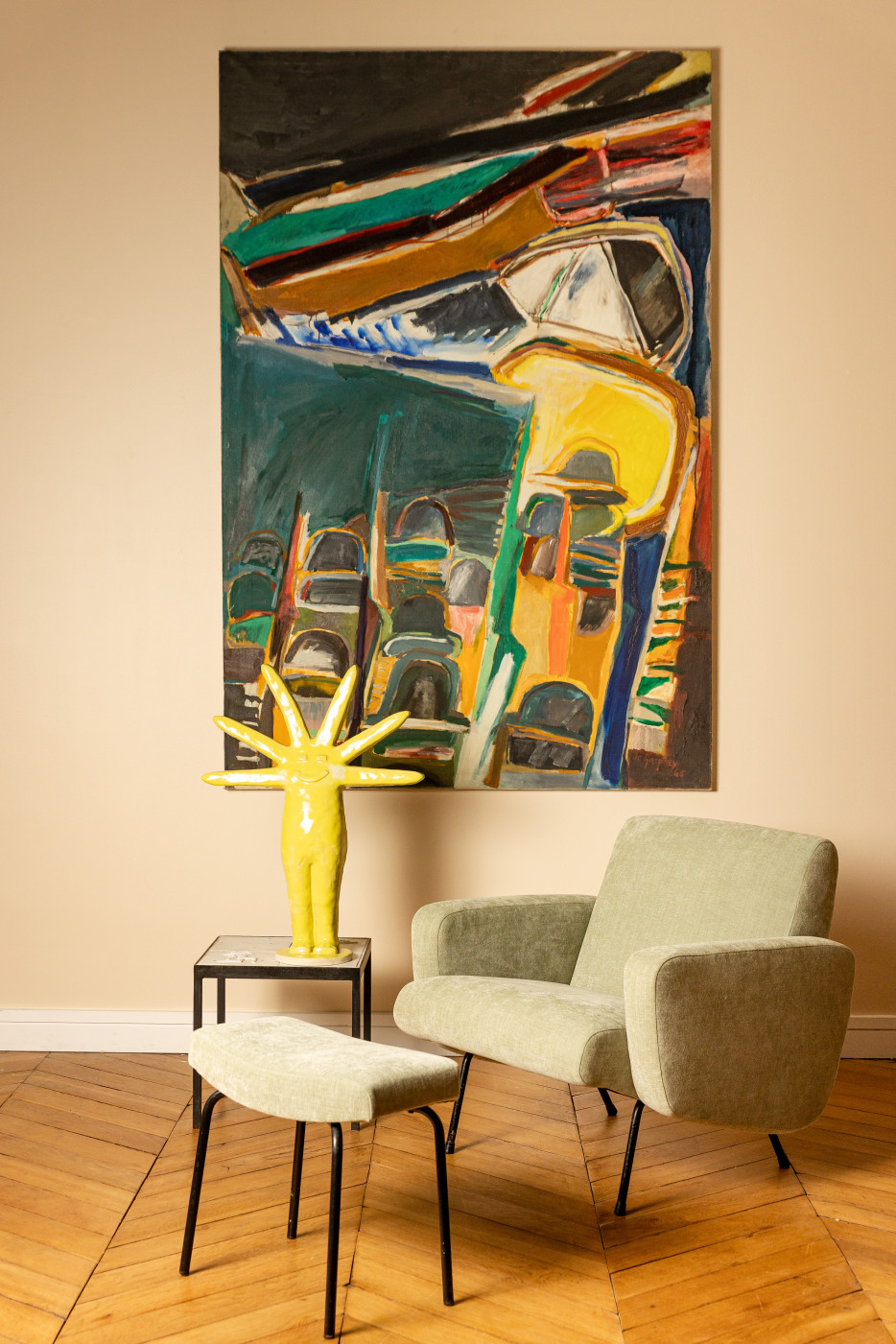
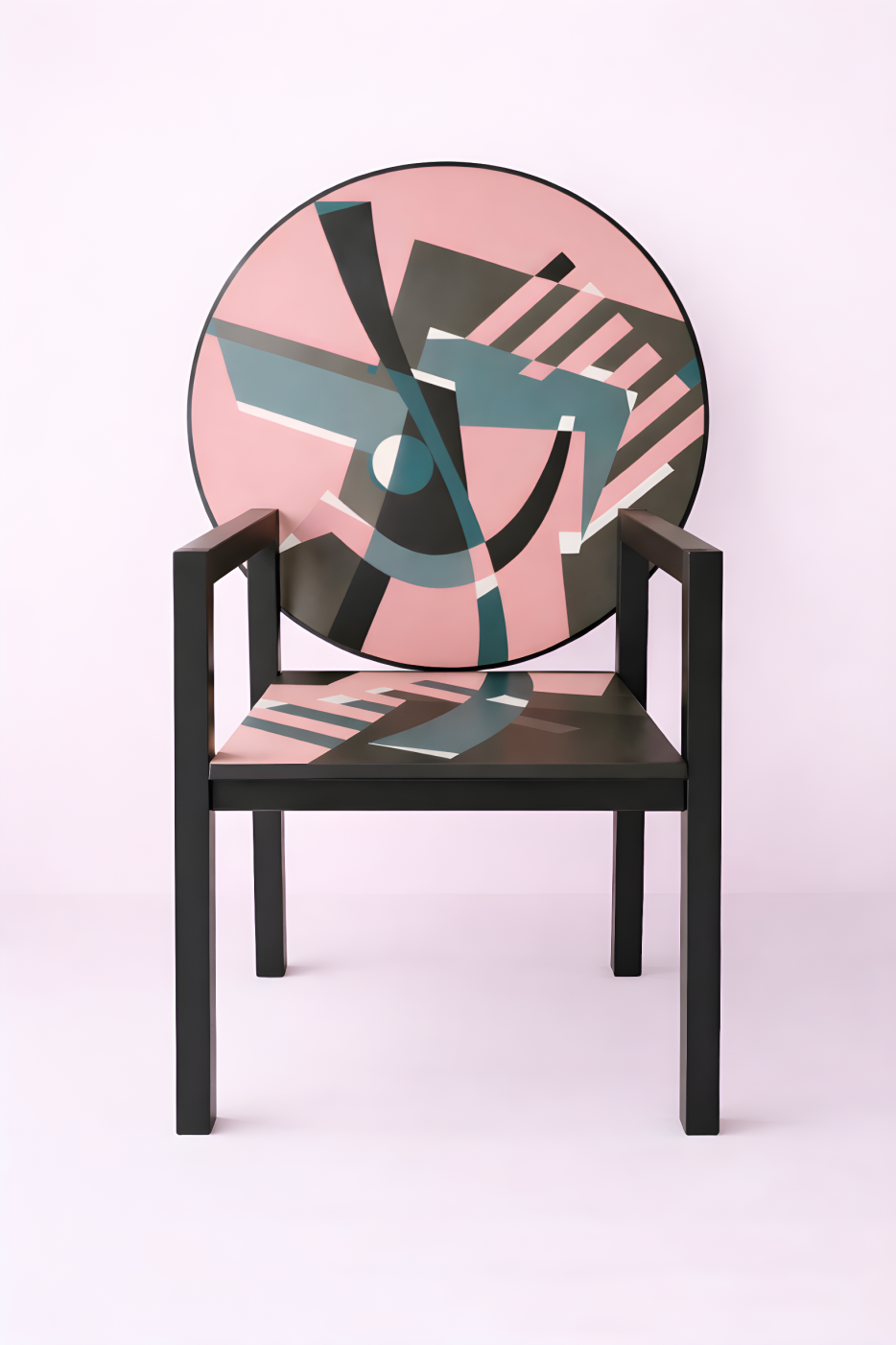
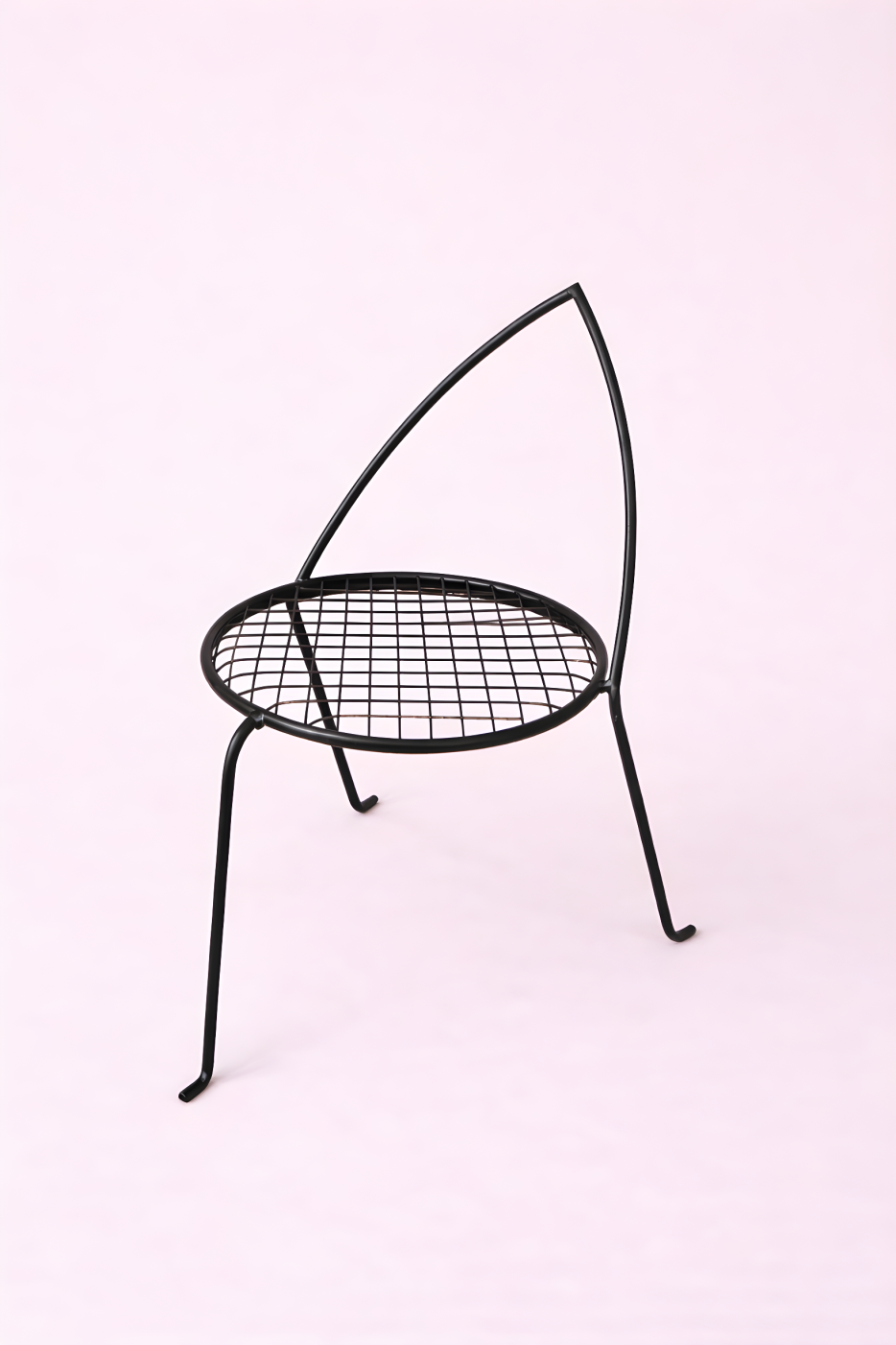
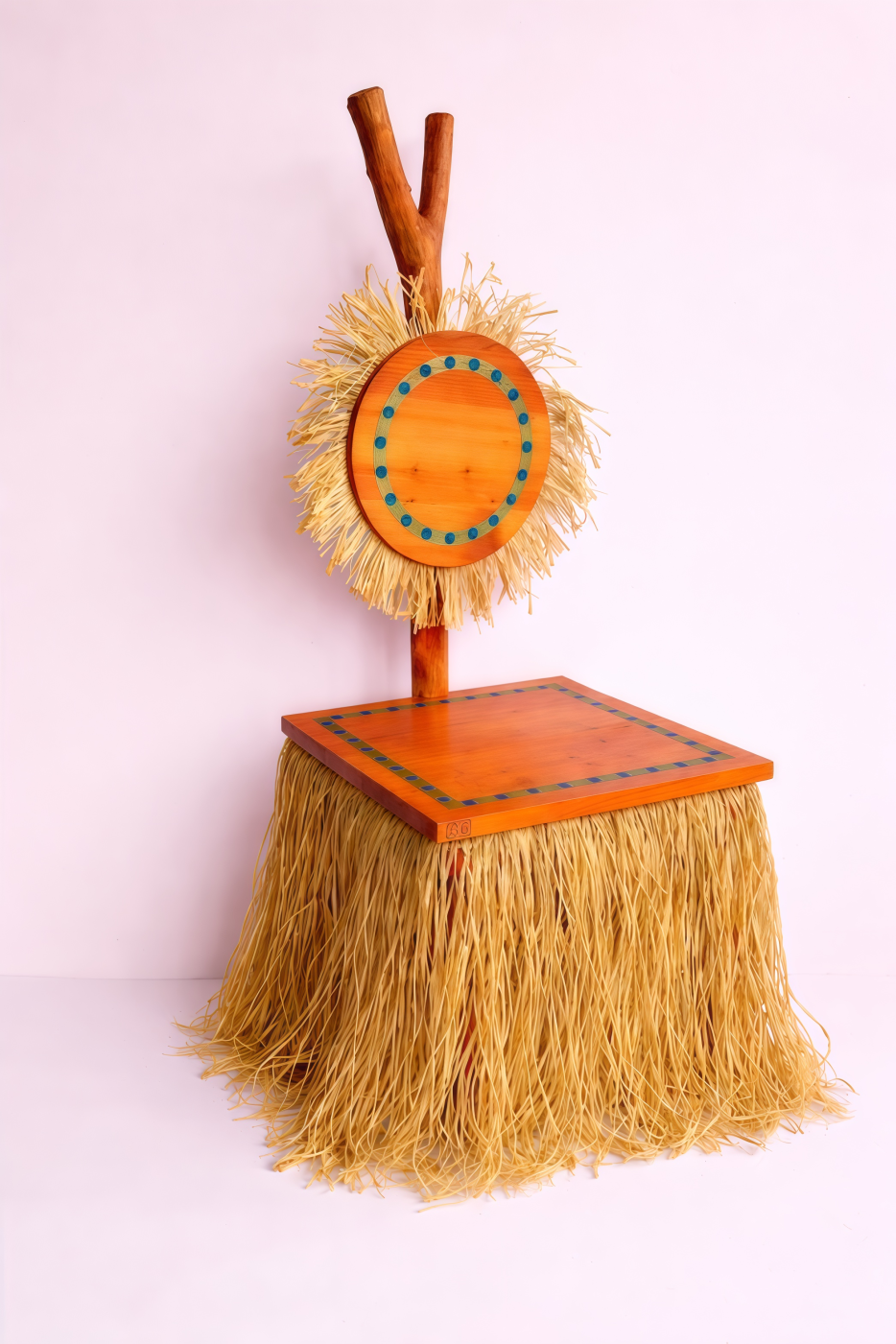
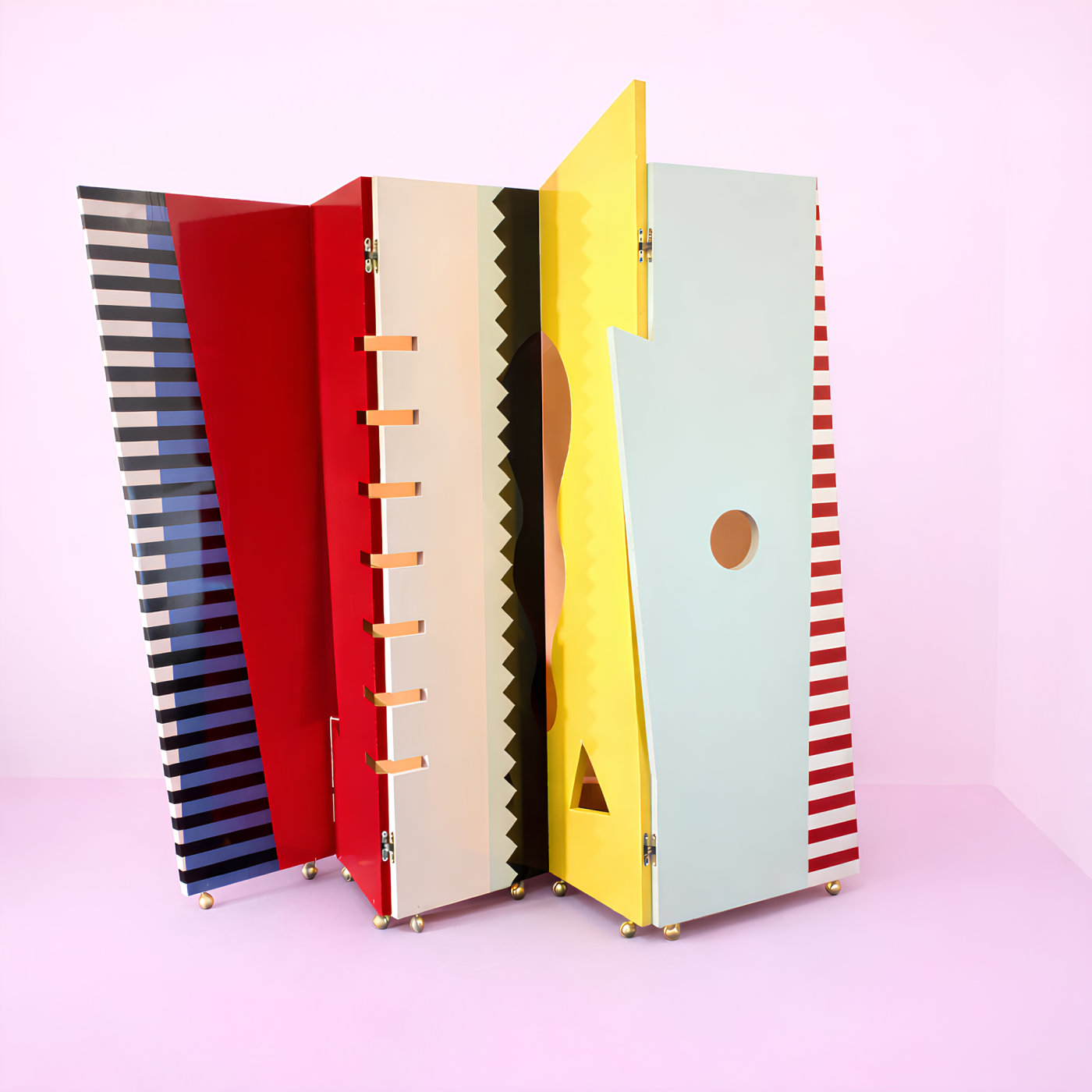
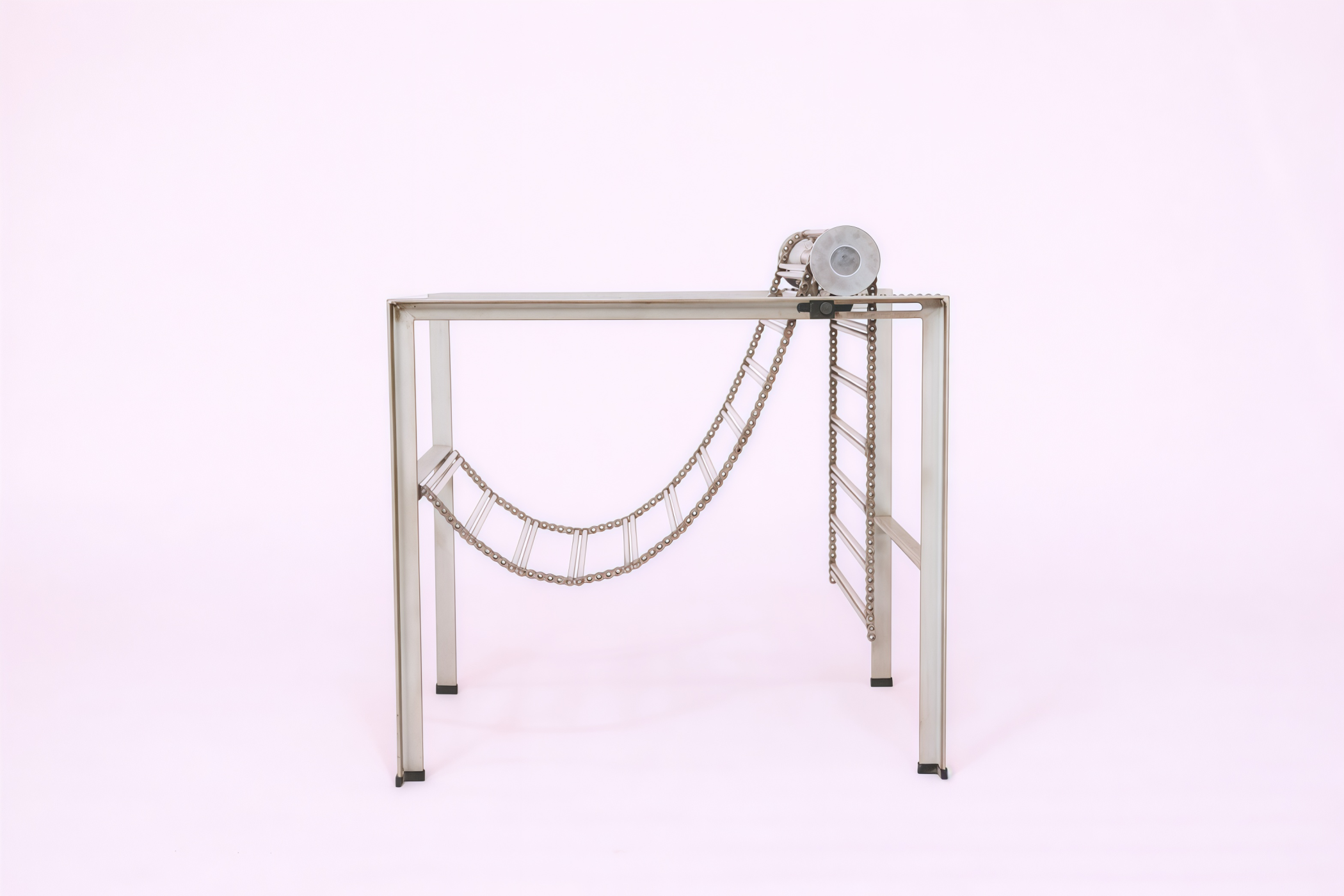
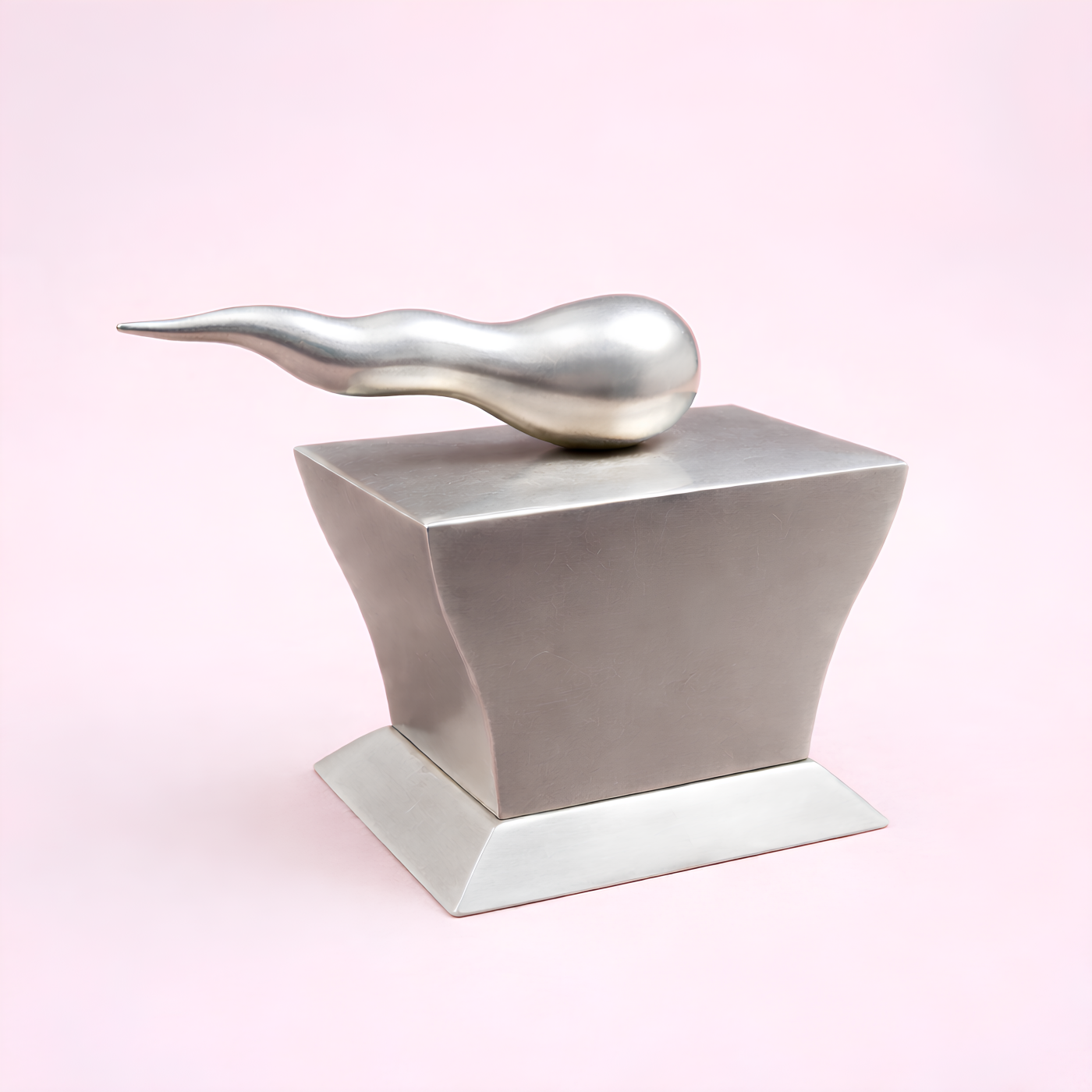
A defining moment of the fair remains the PAD Awards, which recognise excellence across three categories: Best Stand, Contemporary Design, and Historical Design.
In 2026, the awards highlighted the diversity of approaches shaping the field today. The Best Stand Award was presented to Galerie Romain Morandi for its immersive scenographic vision, where space itself became part of the narrative. The Contemporary Design Award went to Dumonteil Design, recognised for its forward-thinking approach to materiality and sculptural form. Meanwhile, the Historical Design Award was attributed to Galerie Laffanour, reaffirming the importance of preserving and reinterpreting design heritage.
The jury also presented a Special Prize to Maison Intègre (Burkina Faso), highlighting a practice rooted in craftsmanship, material authenticity, and cultural transmission.
Together, these distinctions underline PAD’s unique positioning — where contemporary experimentation, historical depth, and curatorial storytelling coexist within a single platform.
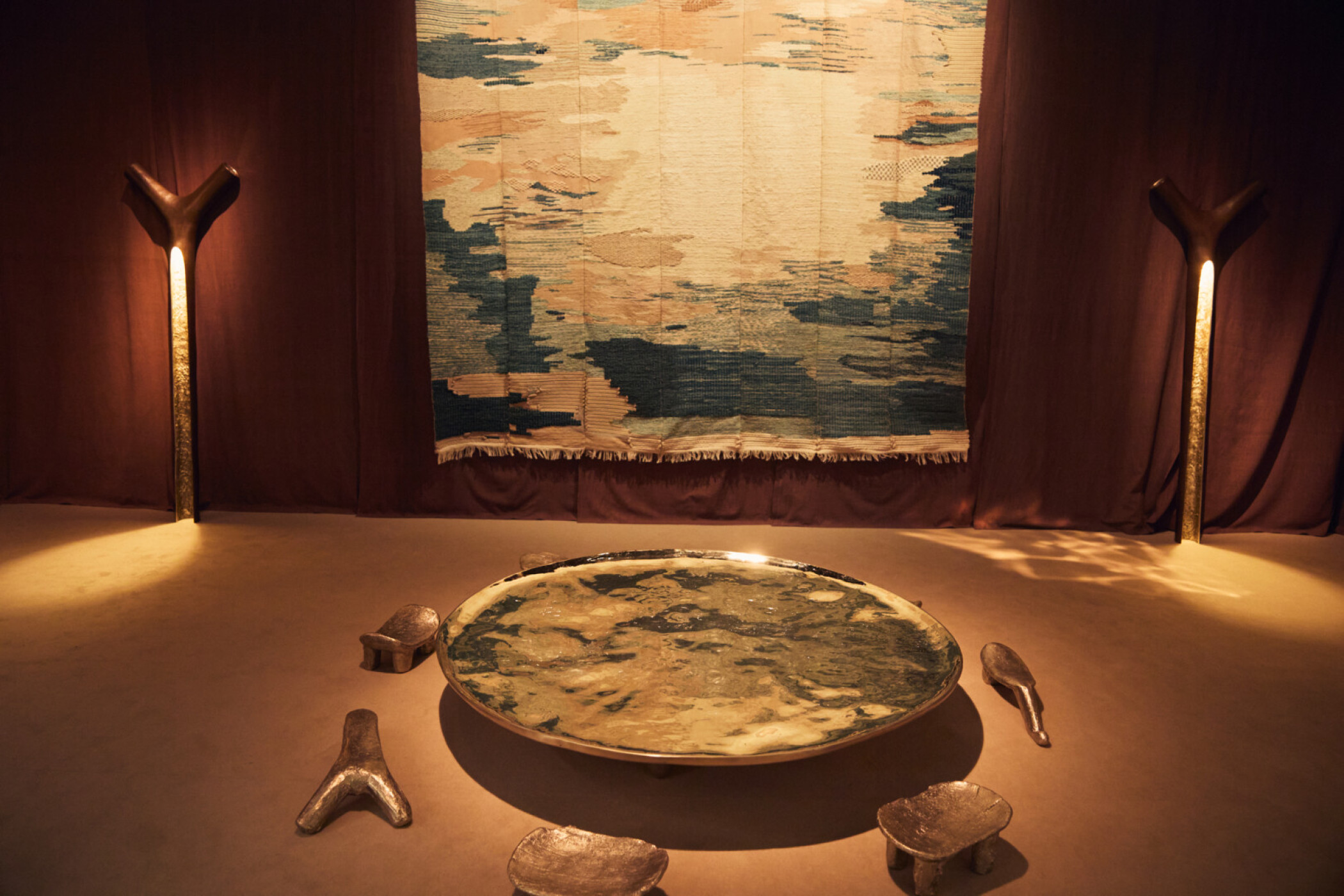
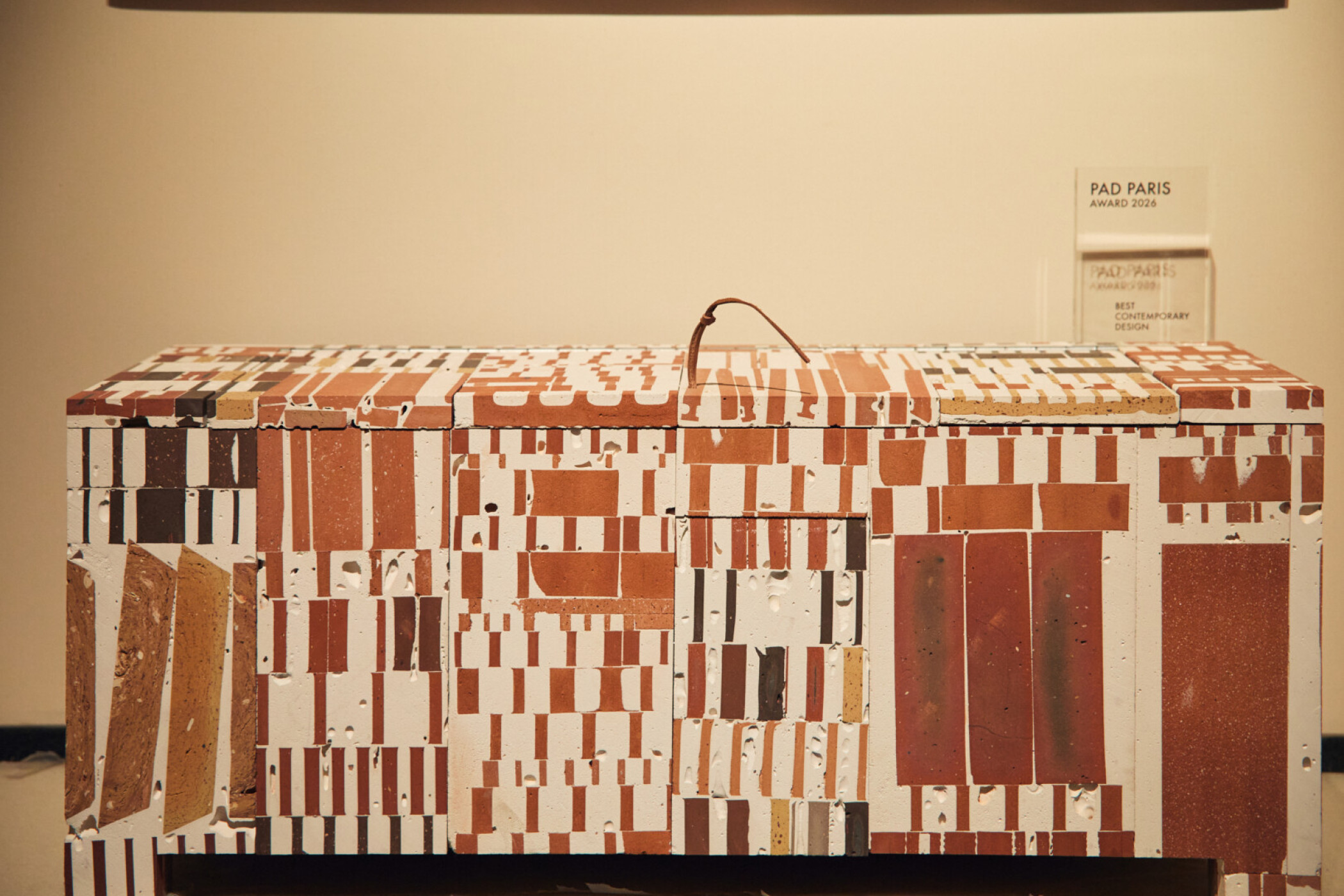
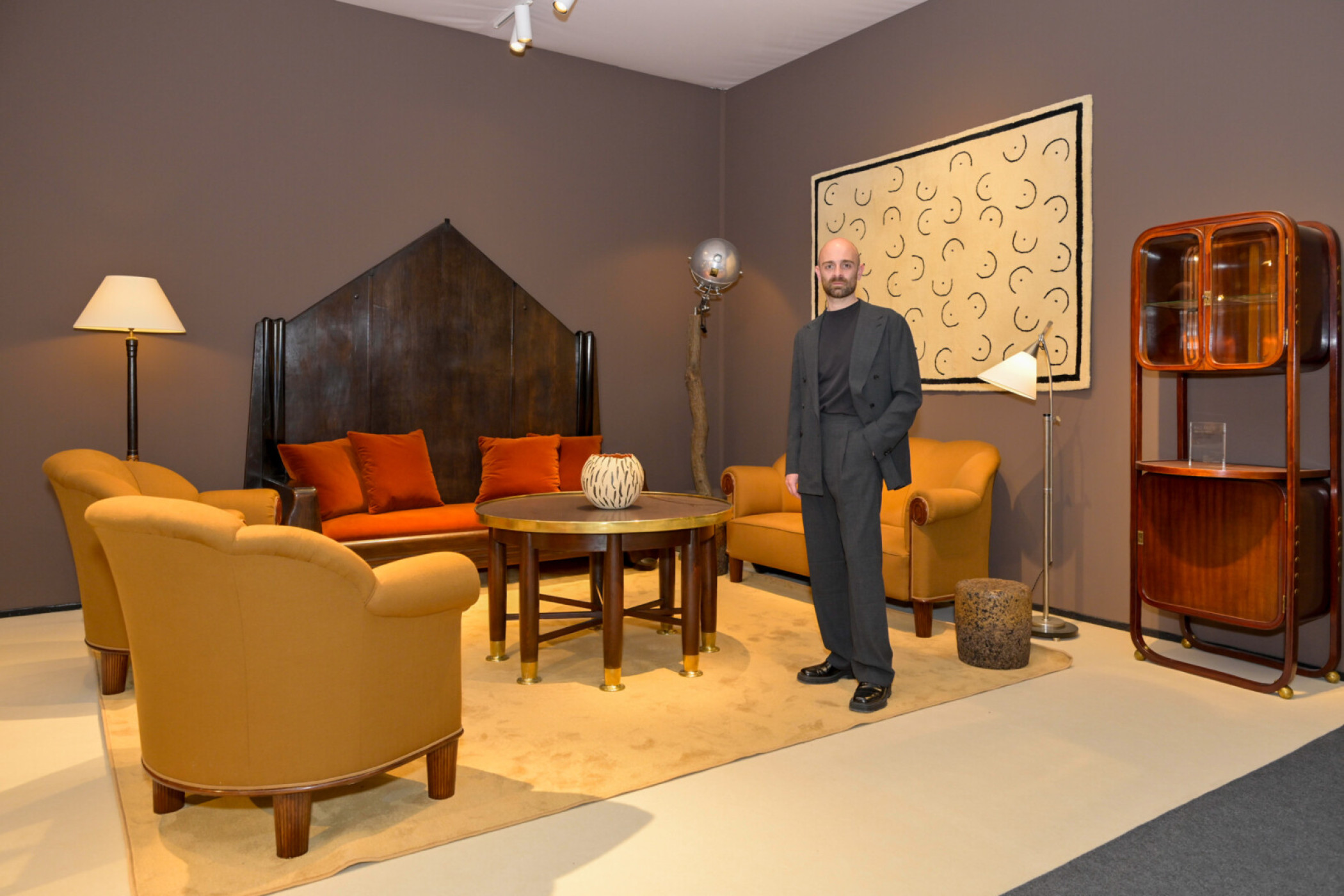
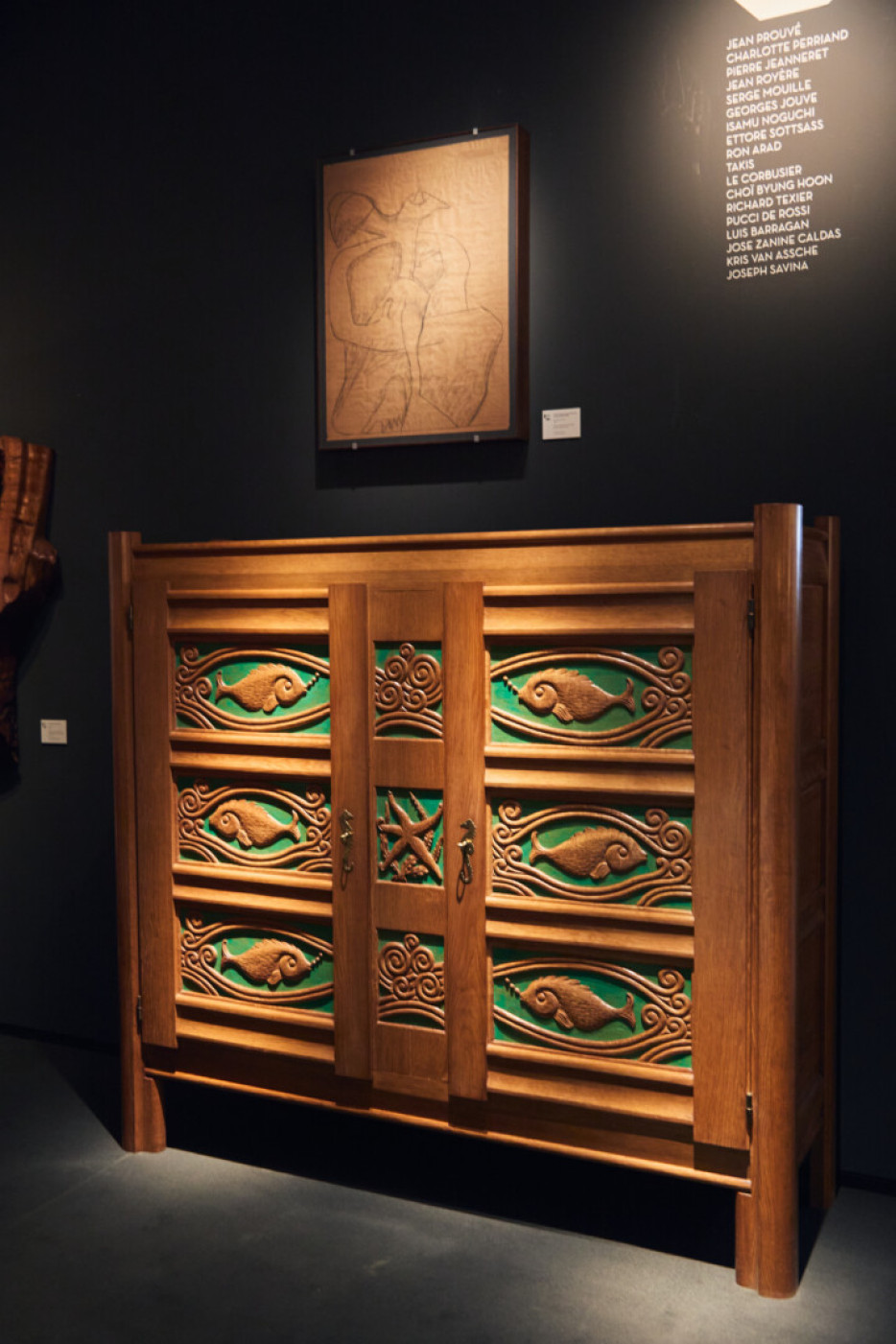
PAD Paris ultimately reveals design not as a static discipline, but as a living language — one that reflects how we inhabit space, objects, and time.
Here, design does not decorate life.
It shapes it.
Courtesy: Pad Paris
Text: Irina Matsepliuk