
Subscribe
On The NewsSubscribe
confirmed Your subscription to our list has been confirmed.












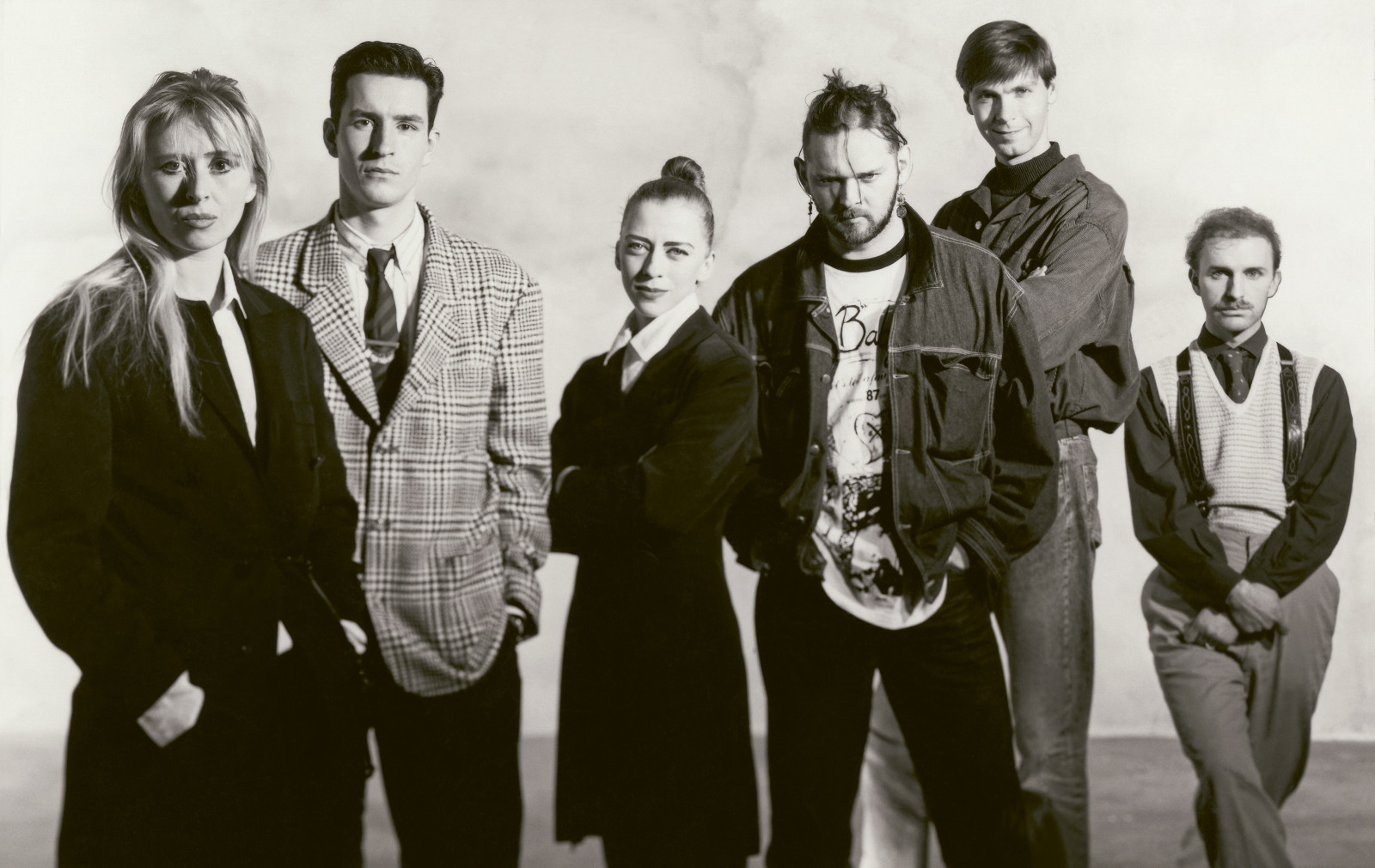
The Six from Antwerp who changed everything
The Antwerp fashion museum MoMu has opened an exhibition, "The Antwerp Six," dedicated to a group of six designers who introduced the Belgian fashion scene to the world 40 years ago.
Let's start with the main point: the names of these six are Walter Van Beirendonck, Ann Demeulemeester, Dries Van Noten, Dirk Van Saene, Dirk Bikkembergs, and Marina Yee. All of them studied in the fashion design department of the Royal Academy of Fine Arts Antwerp and graduated in the early 1980s. Martin Margiela, often mentioned in connection with The Six, was a year ahead of them (he enrolled in 1976 with Walter Van Beirendonck) and was never part of the group. However, he was certainly part of the creative community, friends with both Van Beirendonck and Marina Yee, having studied with the latter at the Sint-Lucas Institute in Hasselt (now LUCA Art School).
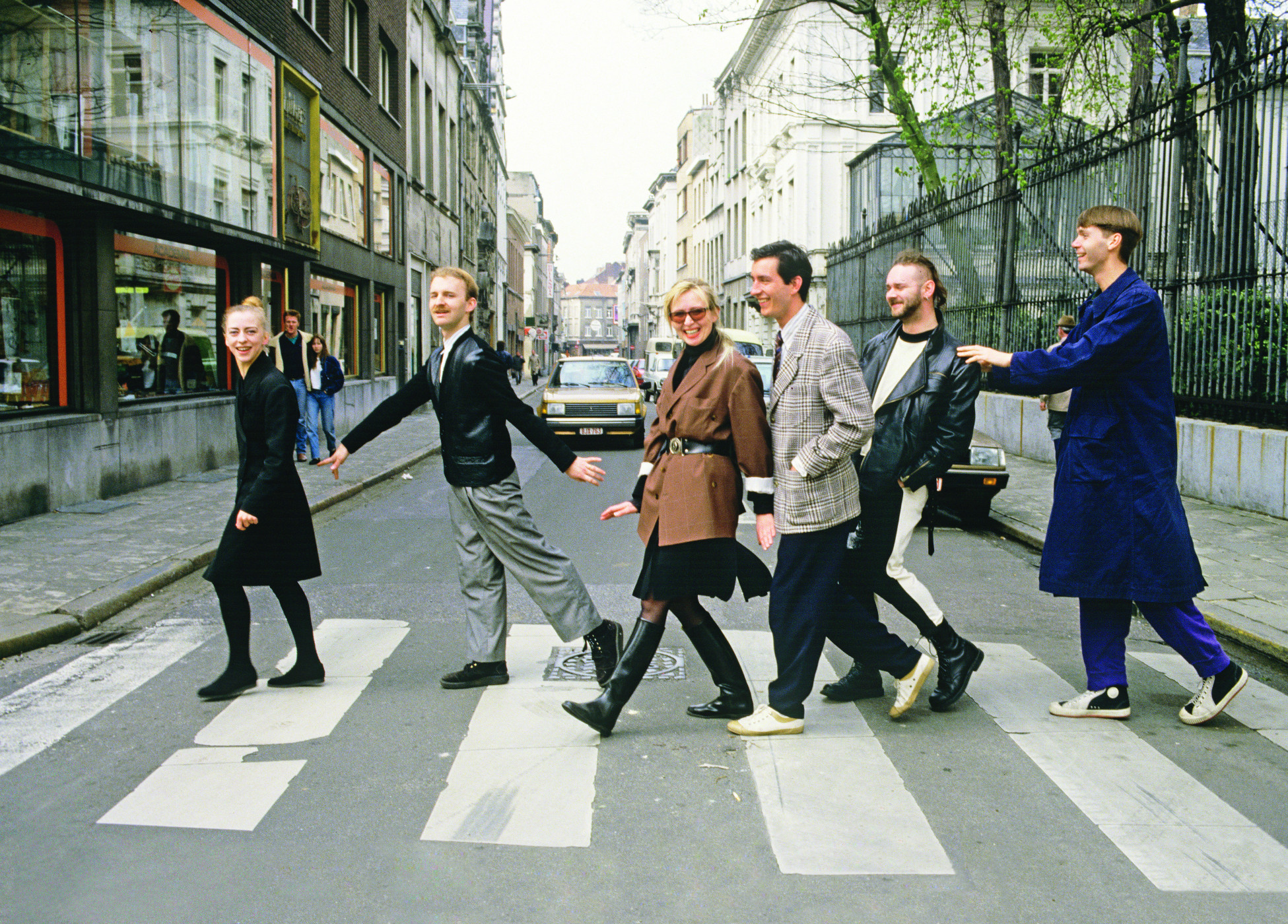
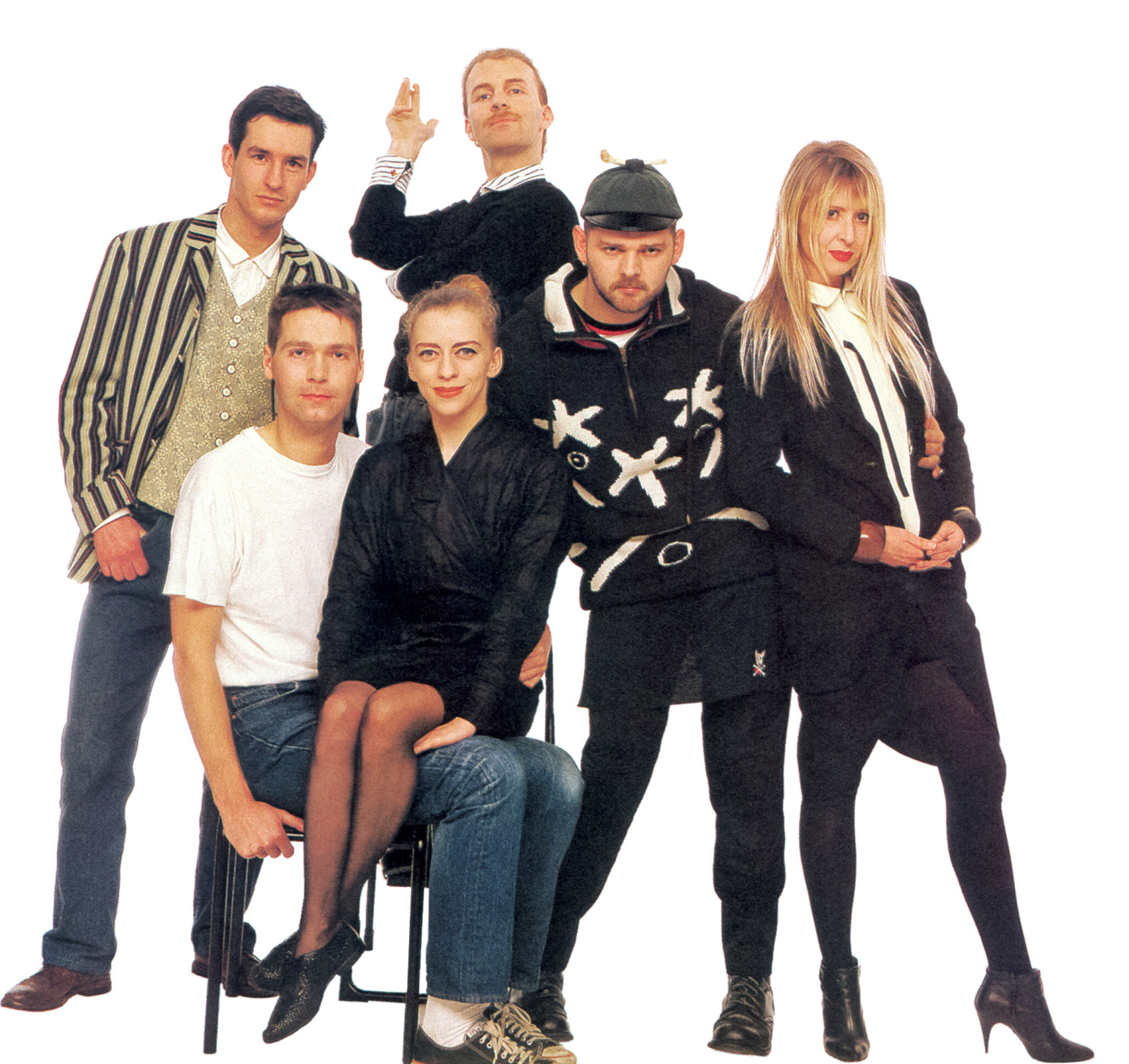
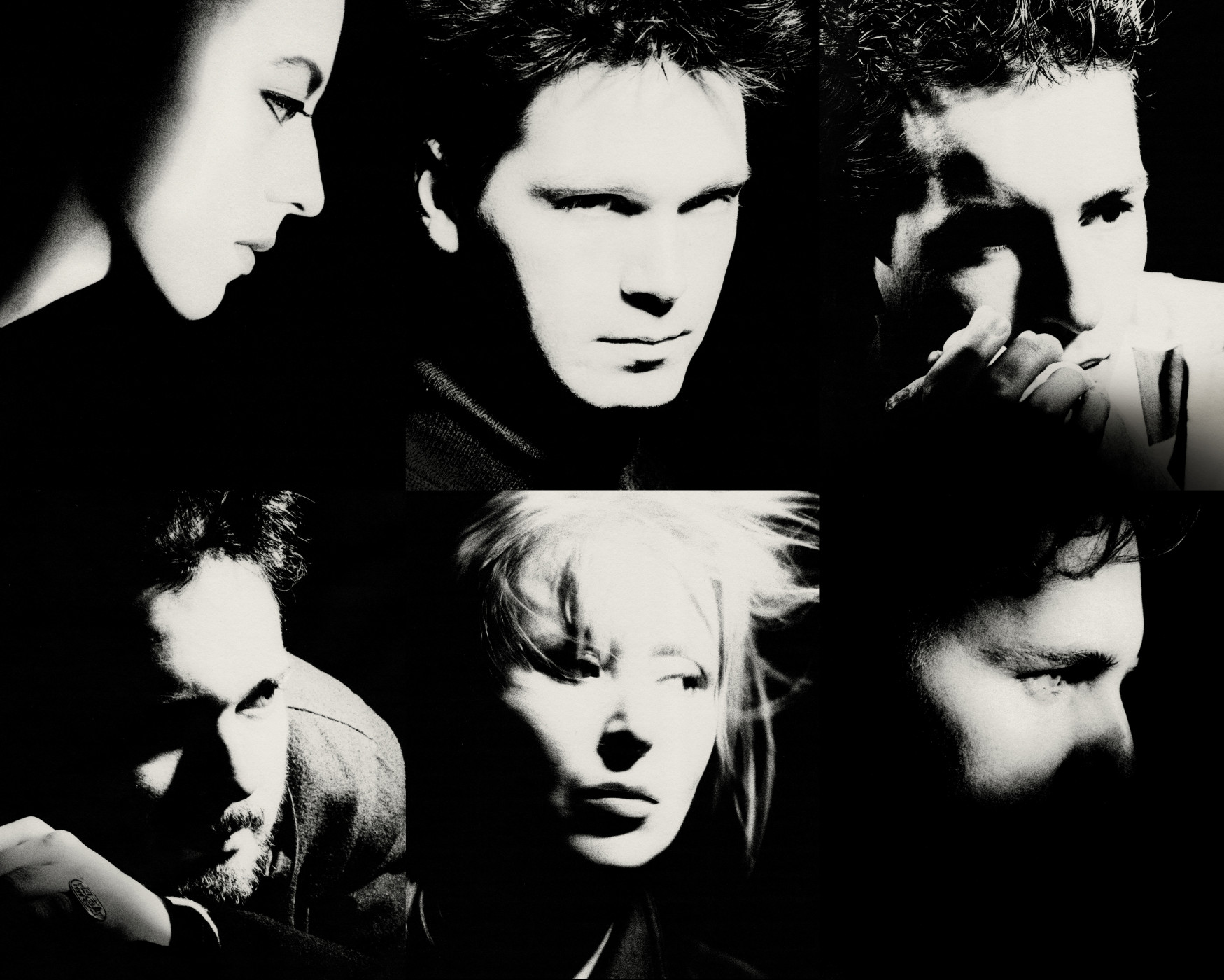
In March 1986, all six designers, who were already working for commercial brands and had their own labels, loaded their collections into a van and headed to London for the British Designer Show, a trunk show featuring Vivienne Westwood and John Galliano. The tour was funded by a consortium of Belgian manufacturers and produced by Geert Bruloot, a retailer and entrepreneur who opened the Coccodrillo shoe boutique in 1984 and sold Dirk Bikkembergs there. In 1986, he opened the Louis concept store, where he began selling Belgian designers. Geert Bruloot co-curated The Antwerp Six exhibition, along with MoMu’s Romy Cockx, with Kaat Debo, the museum's director, overseeing the project.
The Belgians found themselves on the second floor, where the bridal fashion was on display and no important buyers went there. Marina Yee came up with the idea of printing flyers and handing them out downstairs. Buyers from Barneys New York were the first to arrive and ordered the Dries Van Noten collection, and after Barneys, everyone else showed up - buyers from major stores and journalists from leading glossy magazines. It was then that the group of six young Belgians finally adopted the name Antwerp Six. They first got this monicker after a group show in Antwerp in 1985, and when they arrived in England, the international press had difficulty pronouncing their Flemish names. Dries said they even considered adopting Italian pseudonyms.
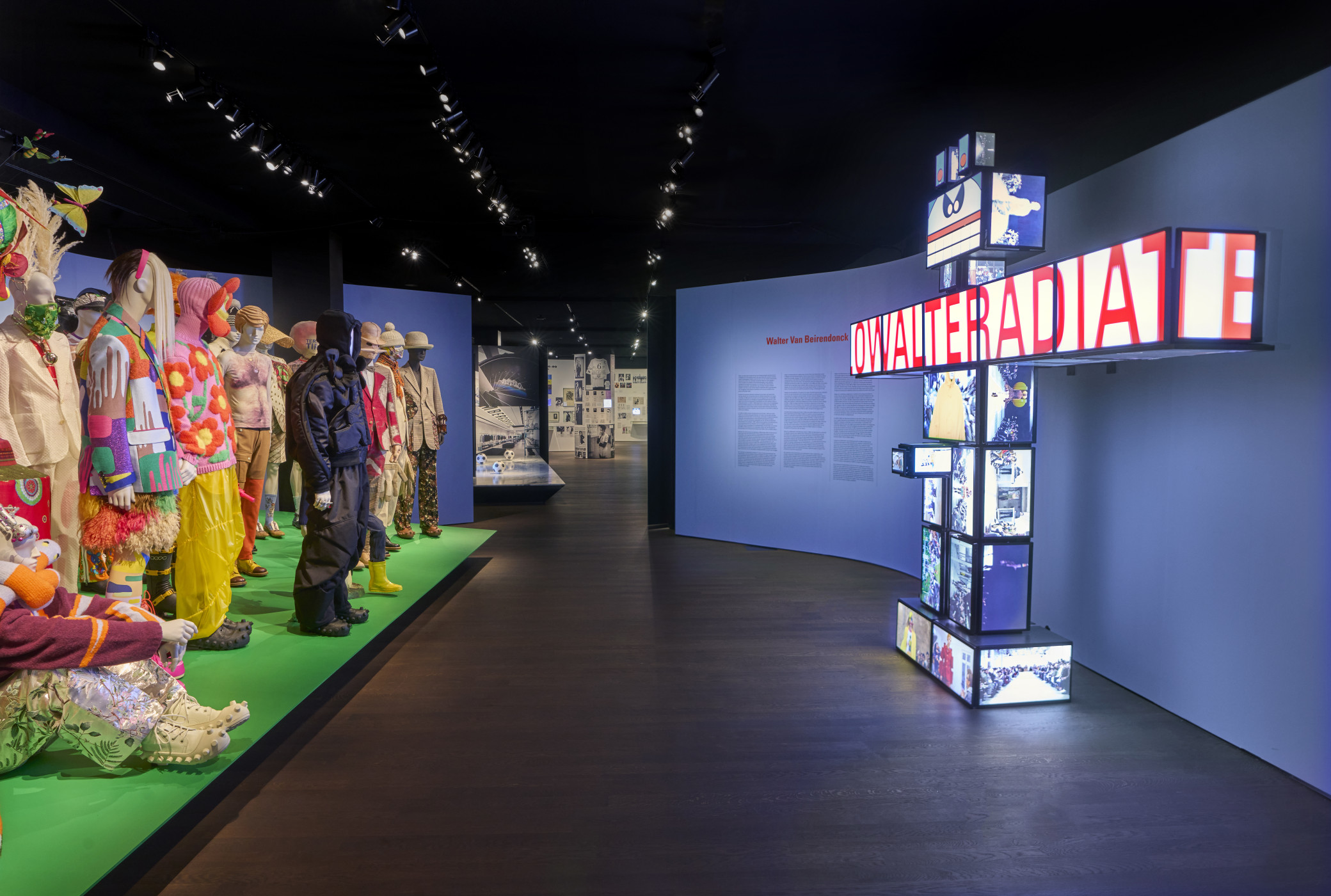
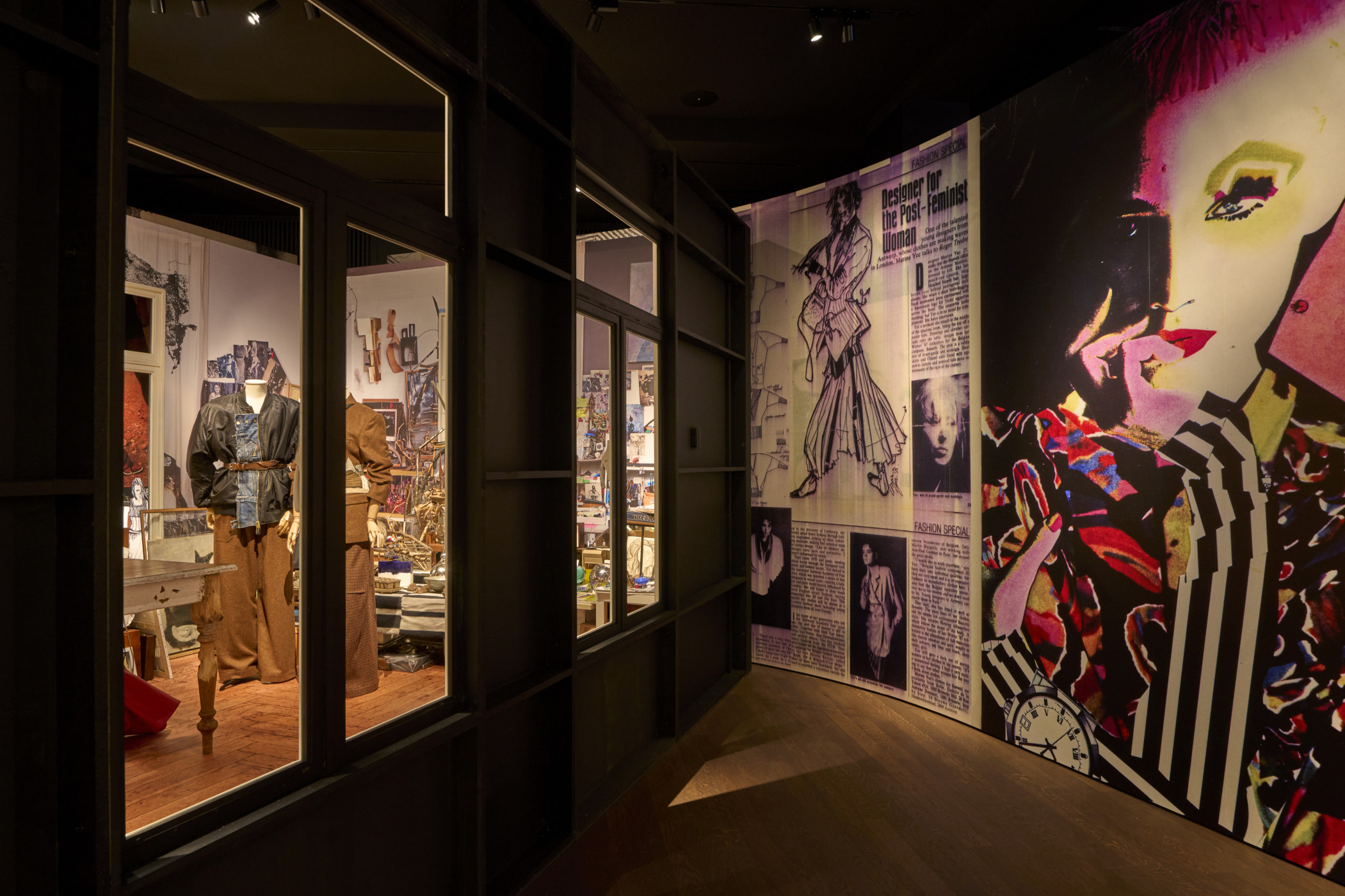
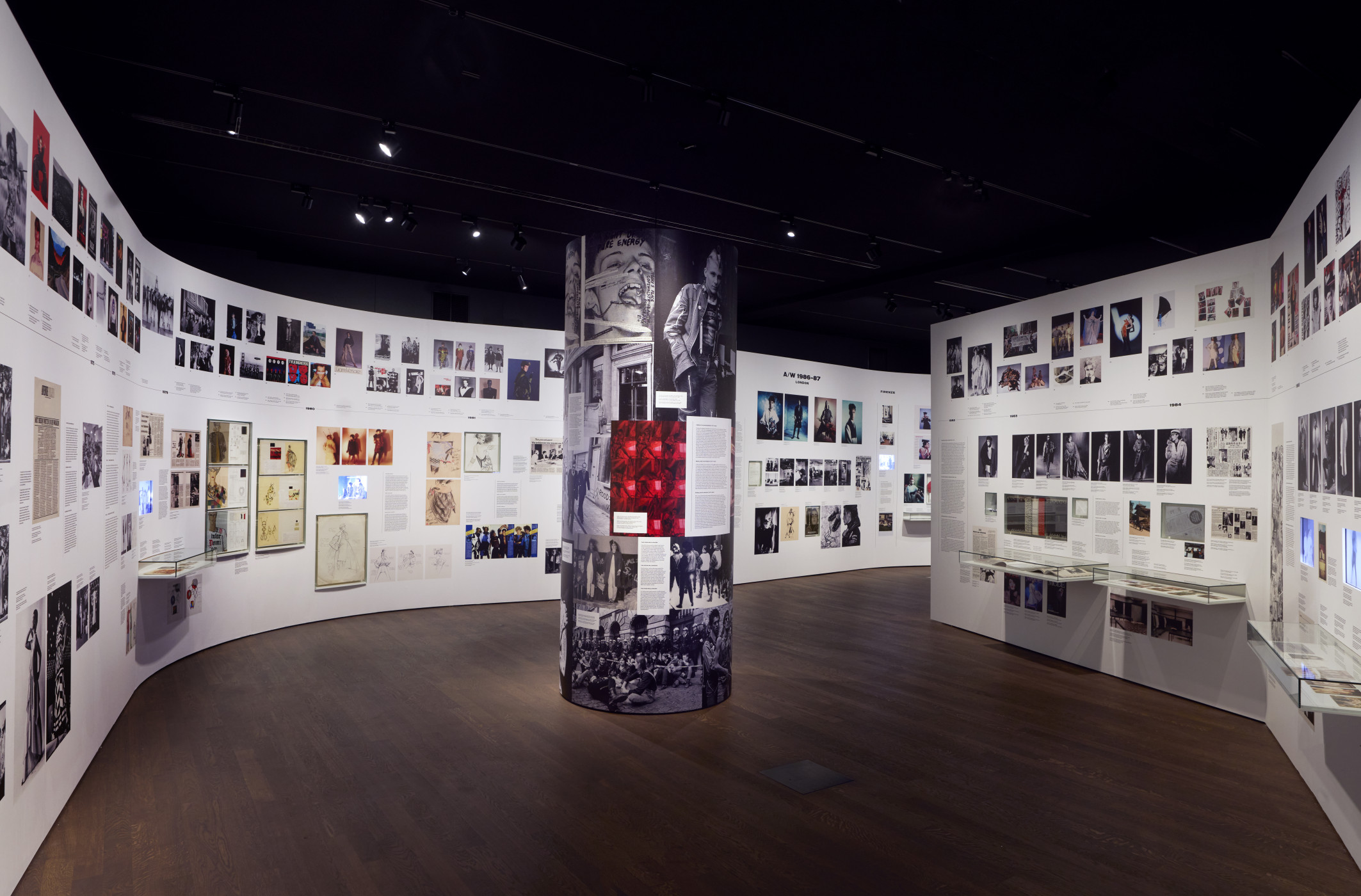
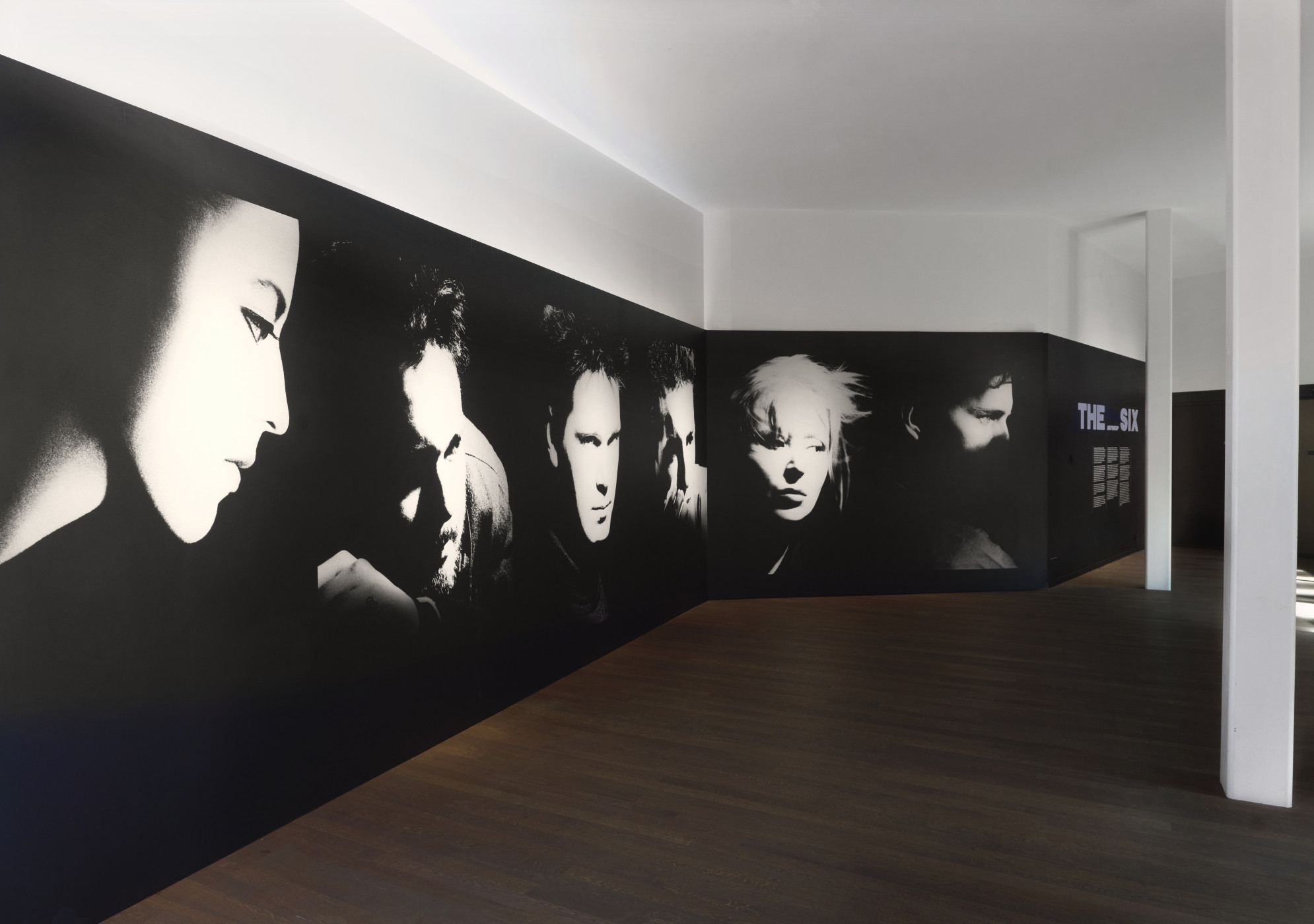
From this moment on, not only did the fame of the Antwerp Six members begin, but Belgian fashion itself emerged as a phenomenon of international fashion discourse. The six designers in the group actually had little in common—each had their own silhouette, their own expression, and their own ideas. They shouldn't be thought of as an artistic collective, like the Fauvists or Cubists who truly shared a common aesthetic. But they did share a common vision, which, for simplicity's sake, could be called "deconstruction"– thought a distinctive one, unlike, for example, Japanese fashion designers with its black austerity. The Belgian movement was softer and more playful, less about the deconstruction of forms and more about the deconstruction of clothing codes, as they're commonly called, or even dress codes. Pairing nylon with silk or sneakers with rich embroidery was something the rest of the world learned from them. They saw the world in general, and clothing in its relationship to the body, quite differently from the sophisticated French, the elegant Italians, or even the punk-rock Brits. Everyday objects were always within their purview; their shirts made from tea towels and bags made from volleyballs were part of this worldview. Since then, we've come to recognize all these things as uniquely Belgian.
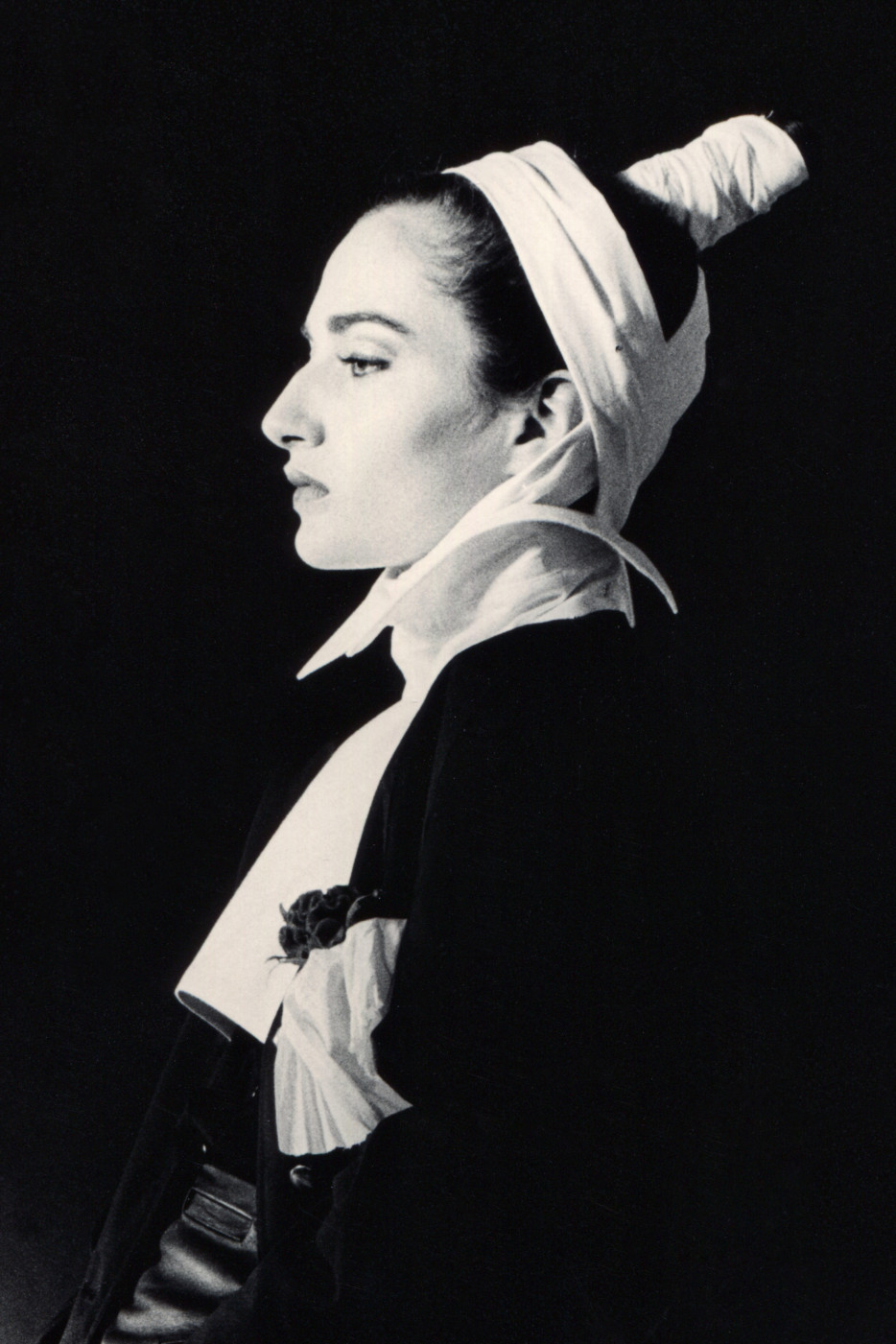
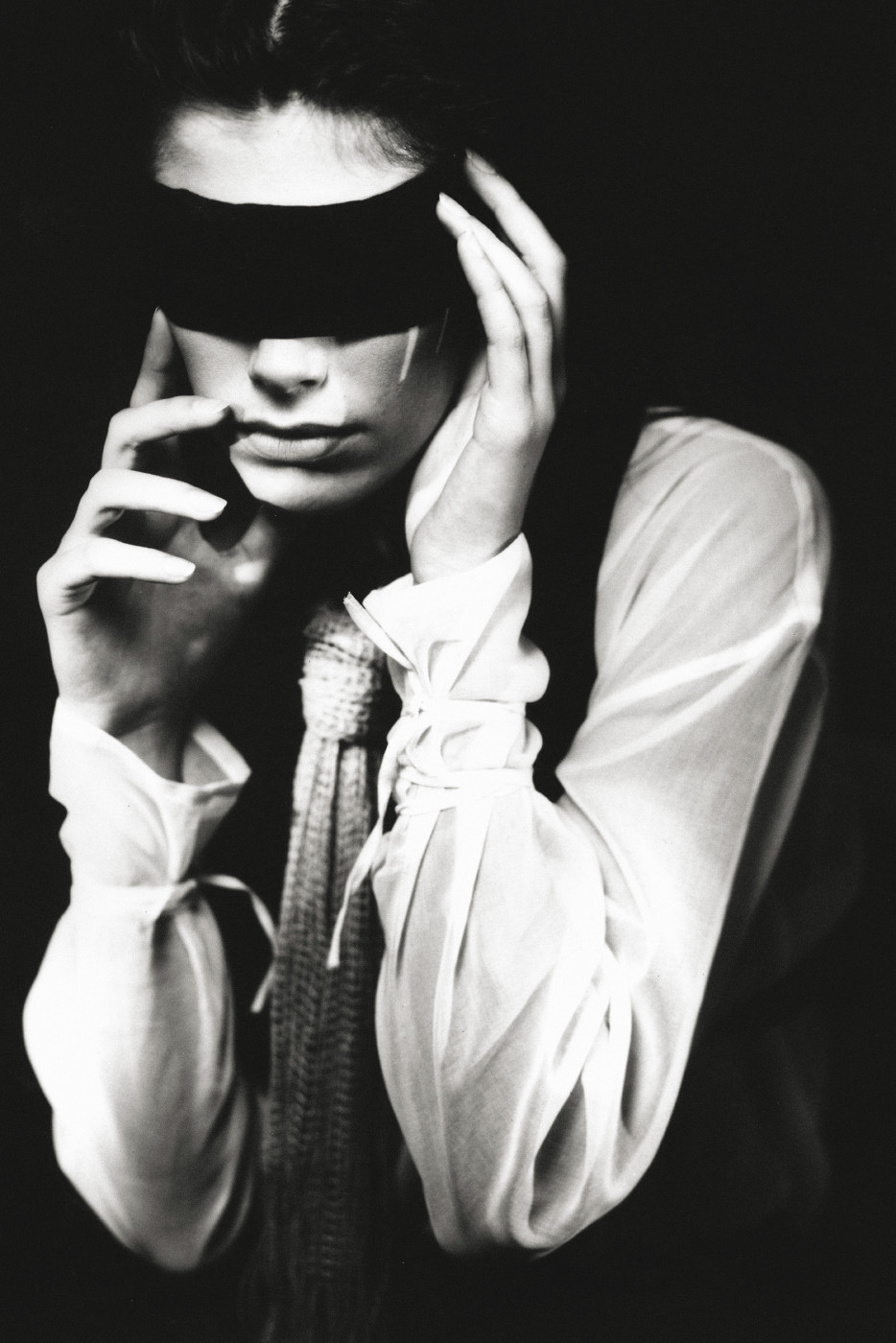
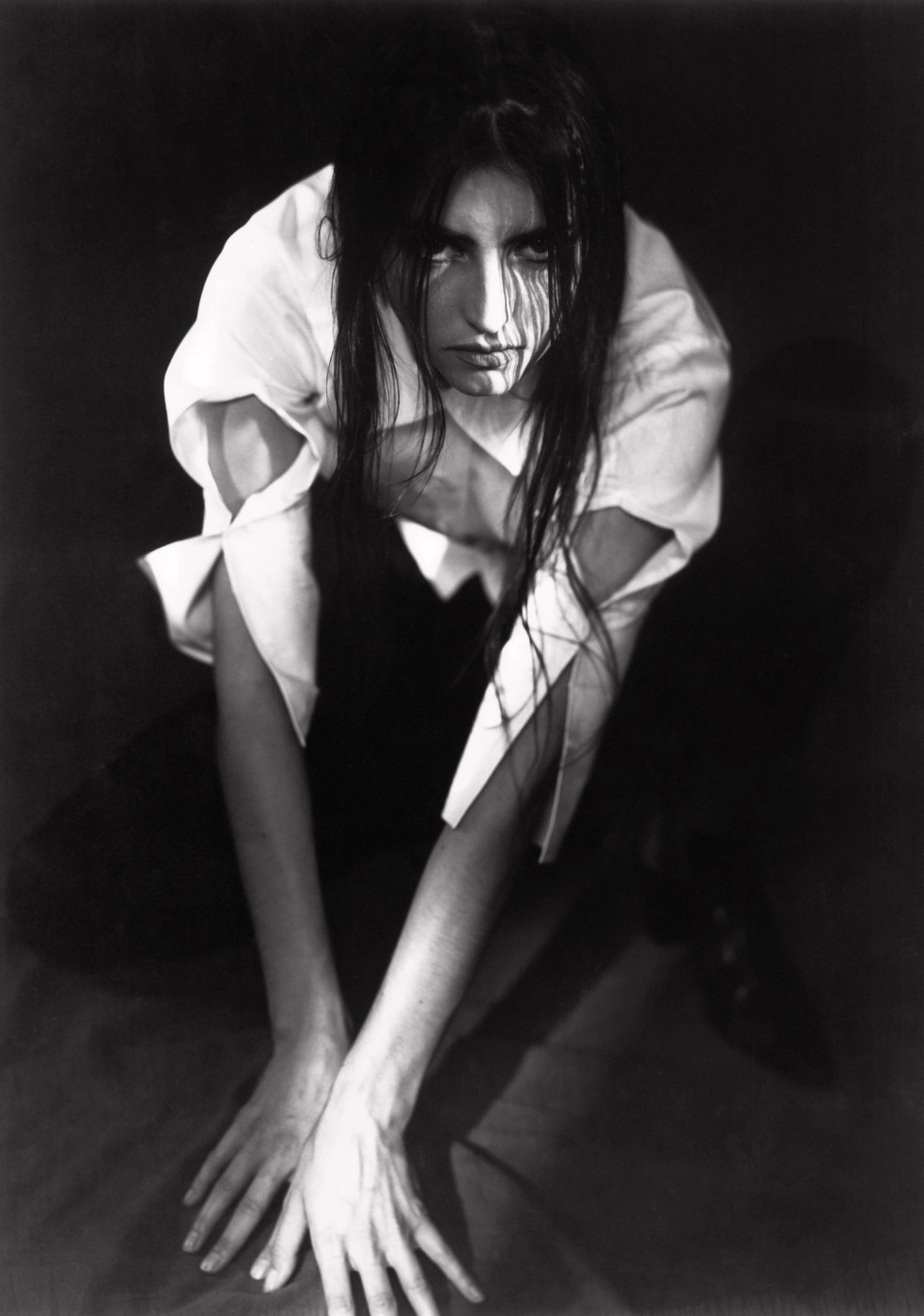
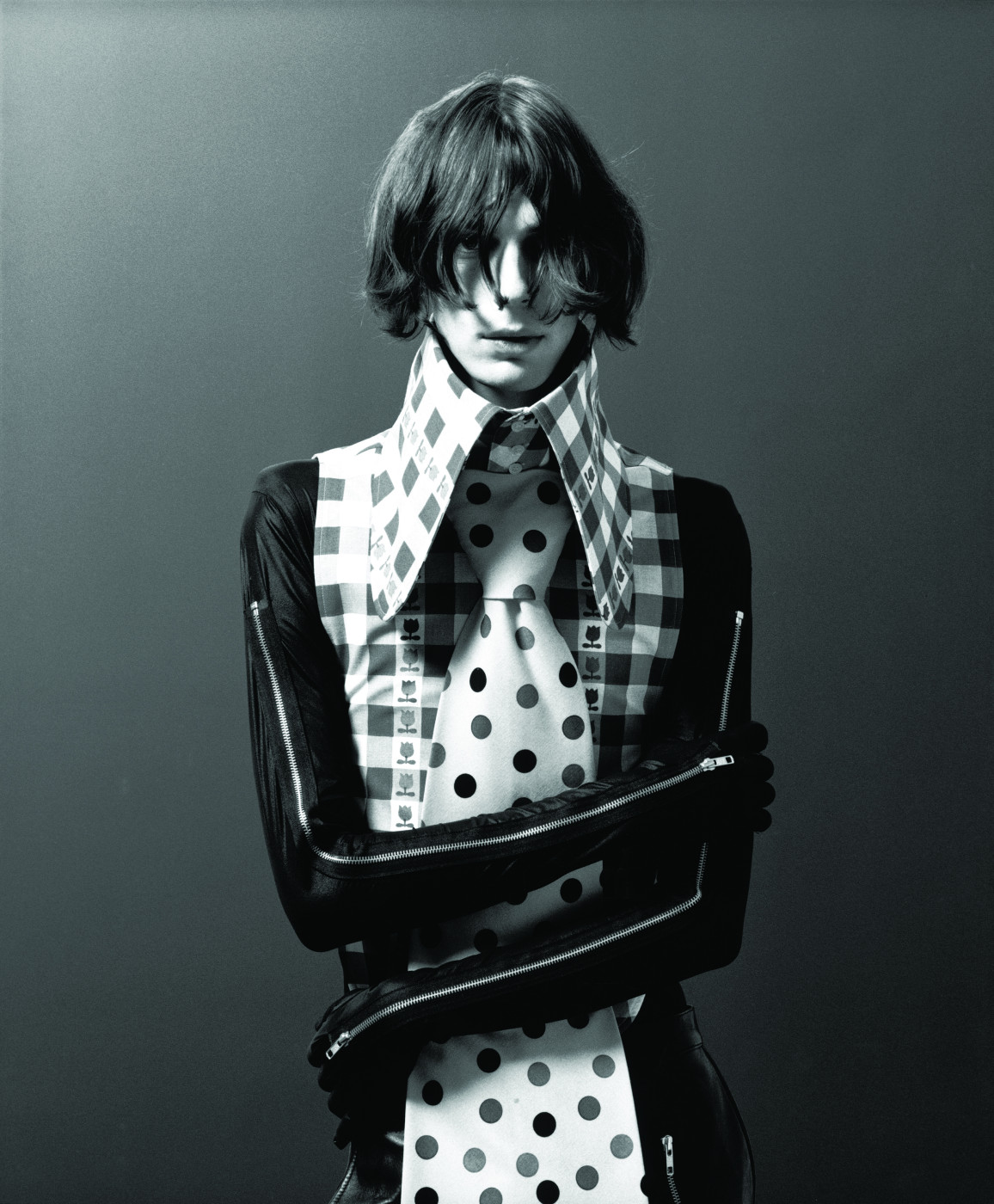
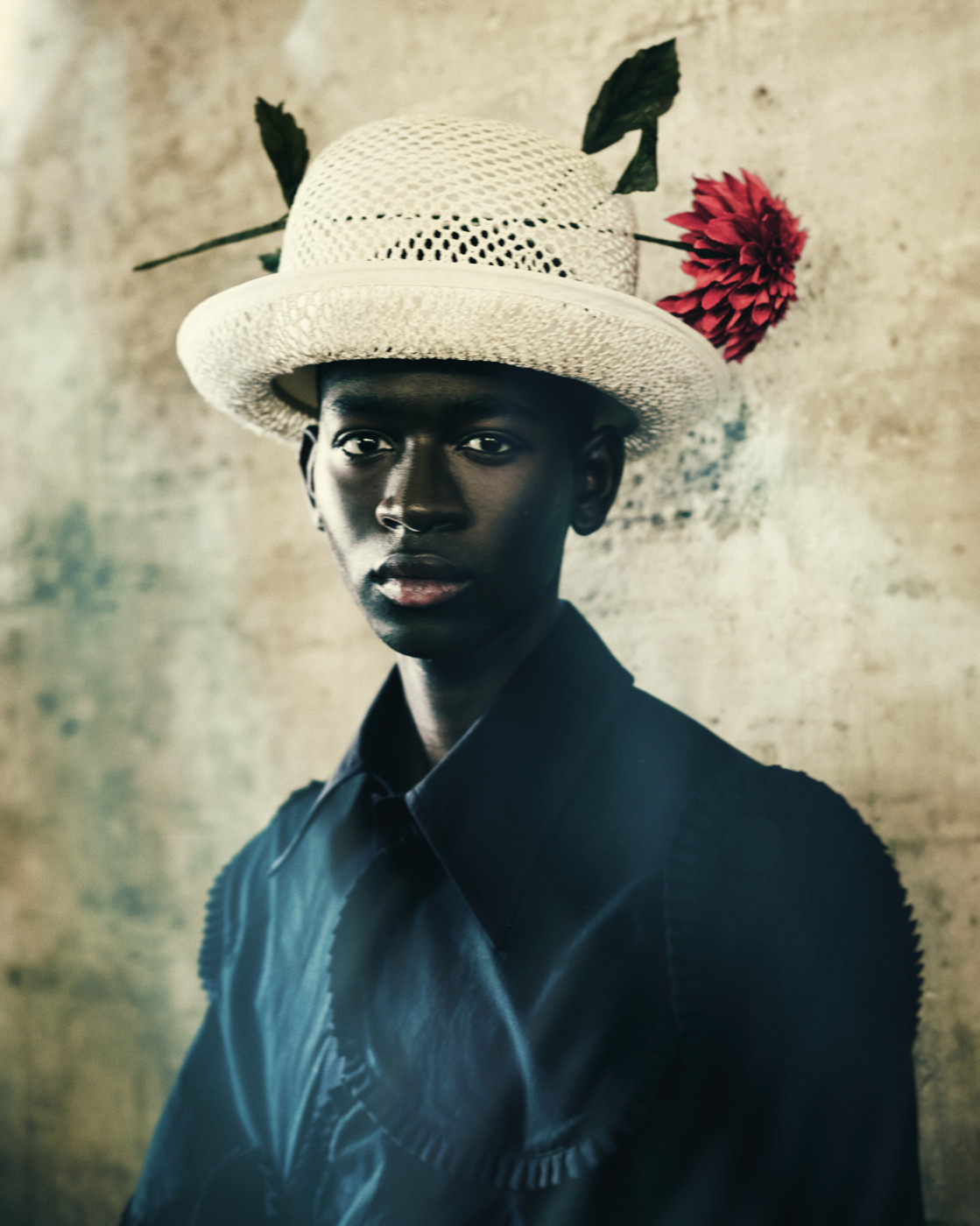
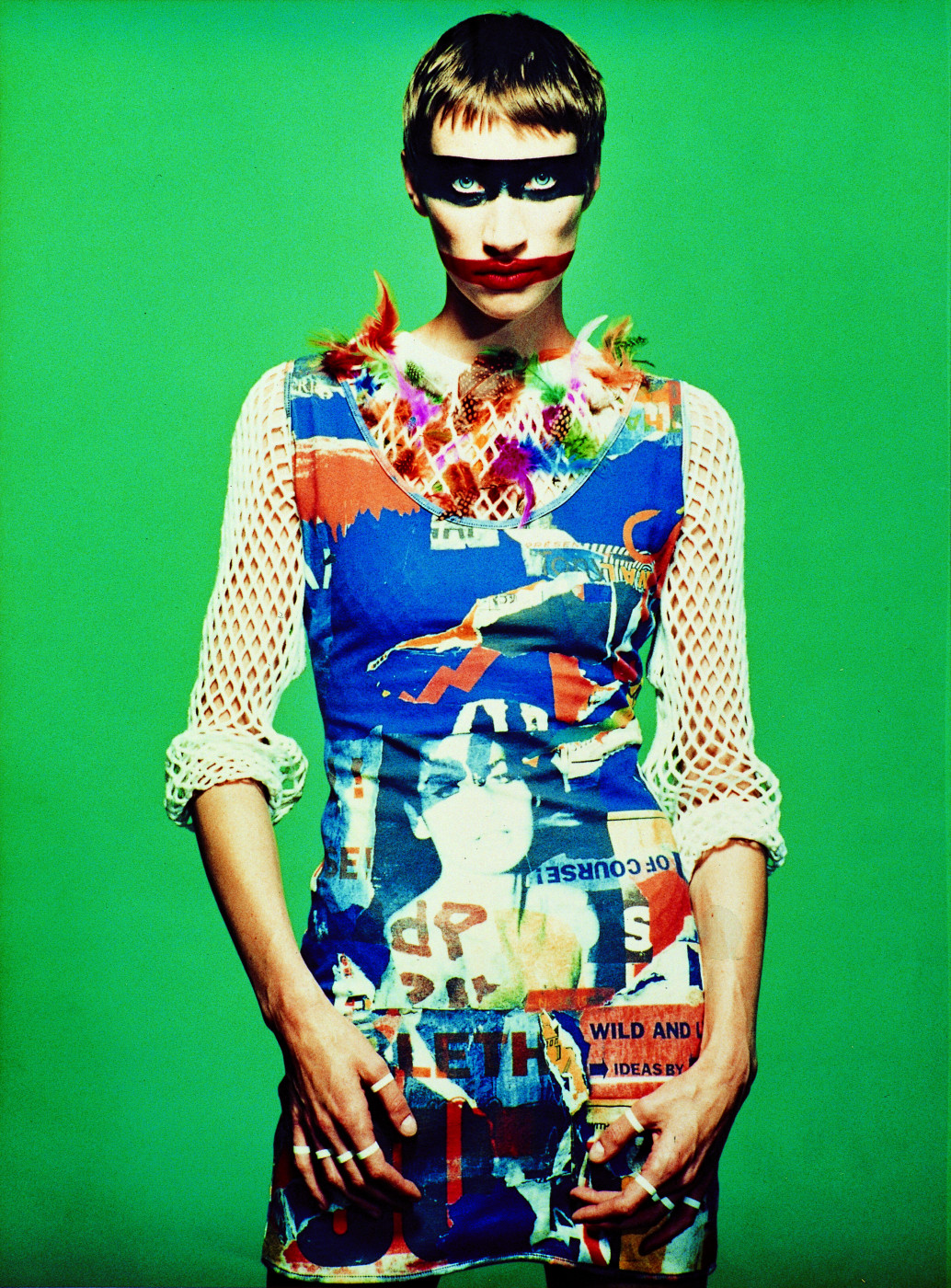
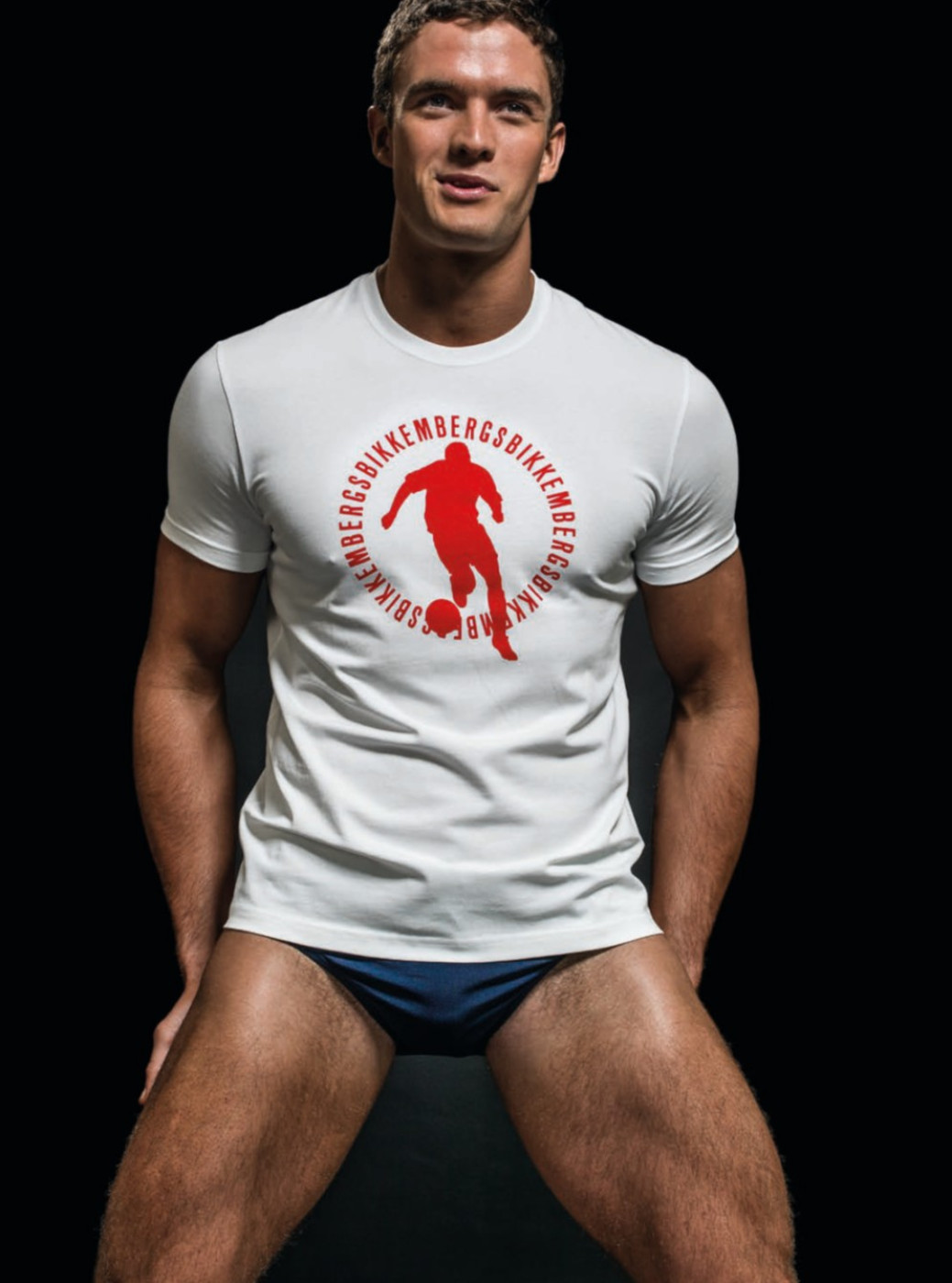
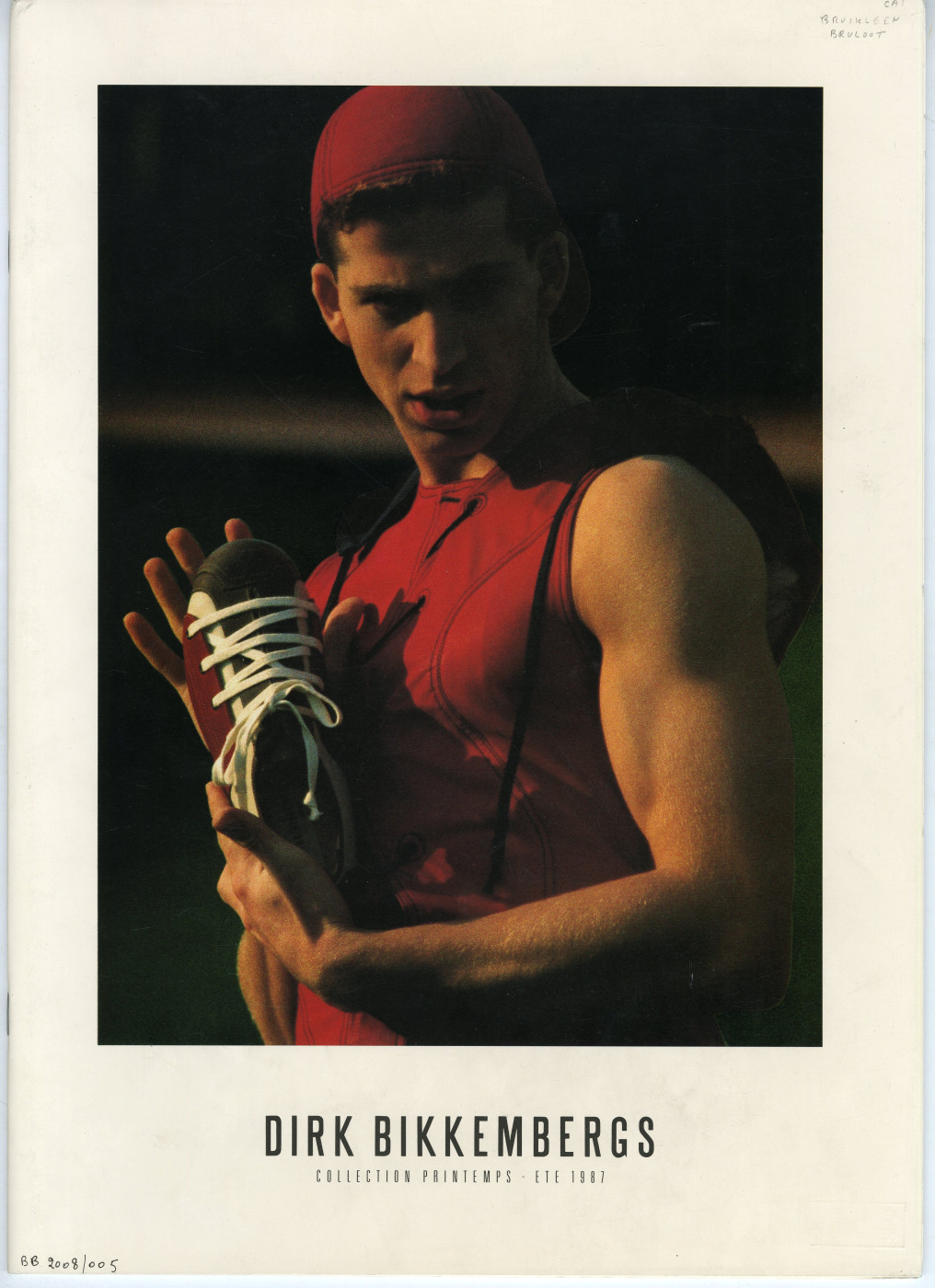
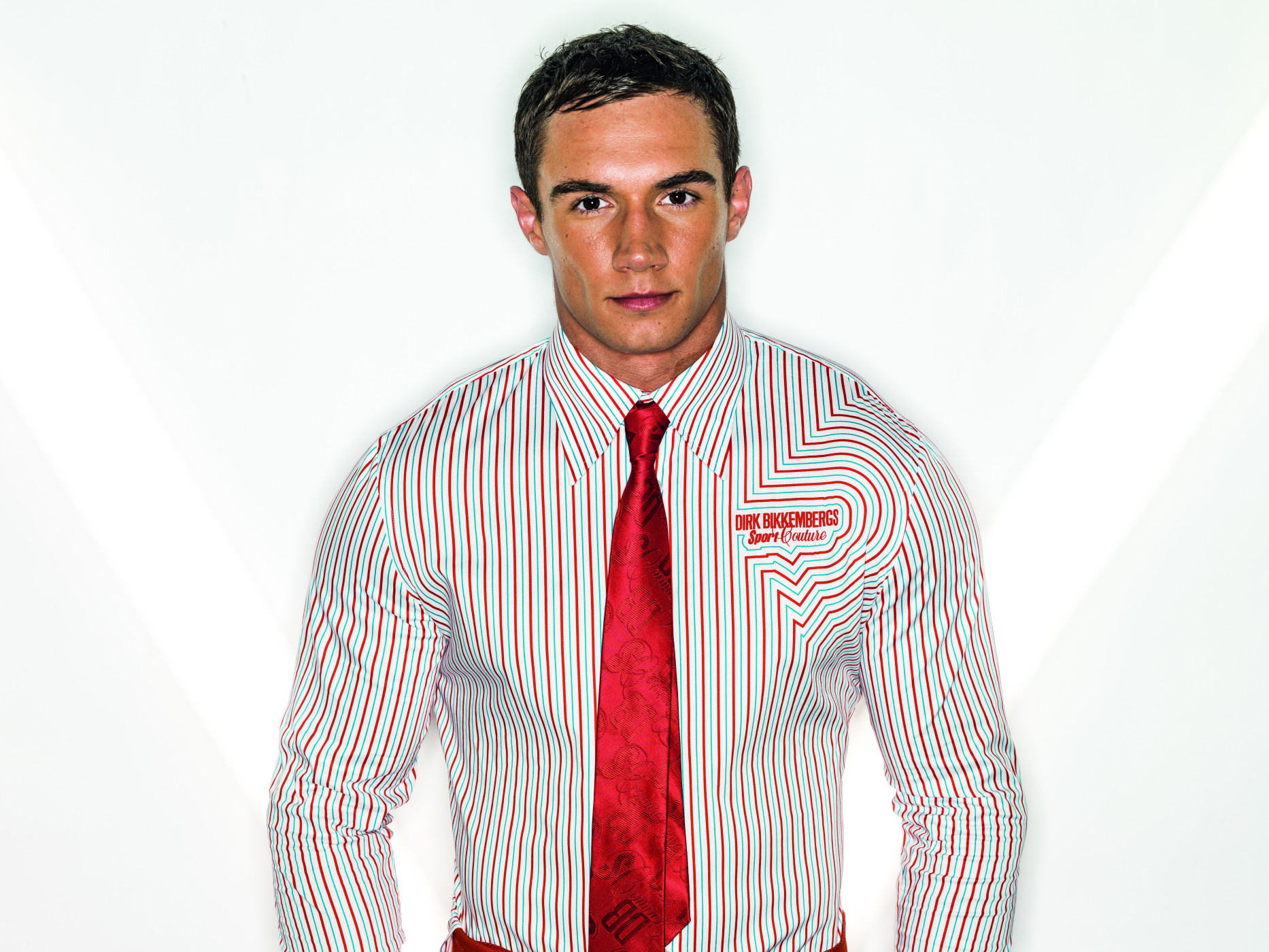
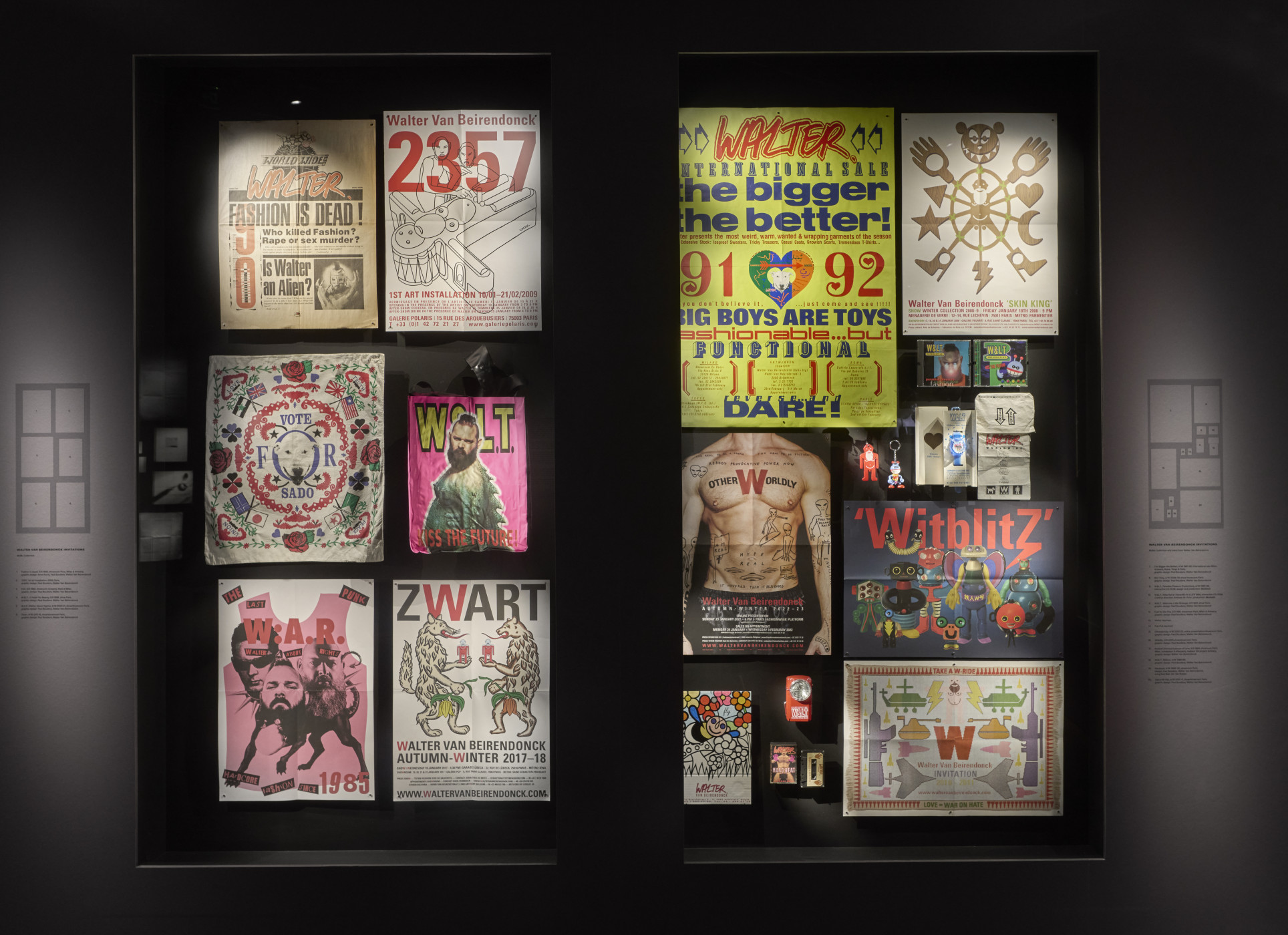
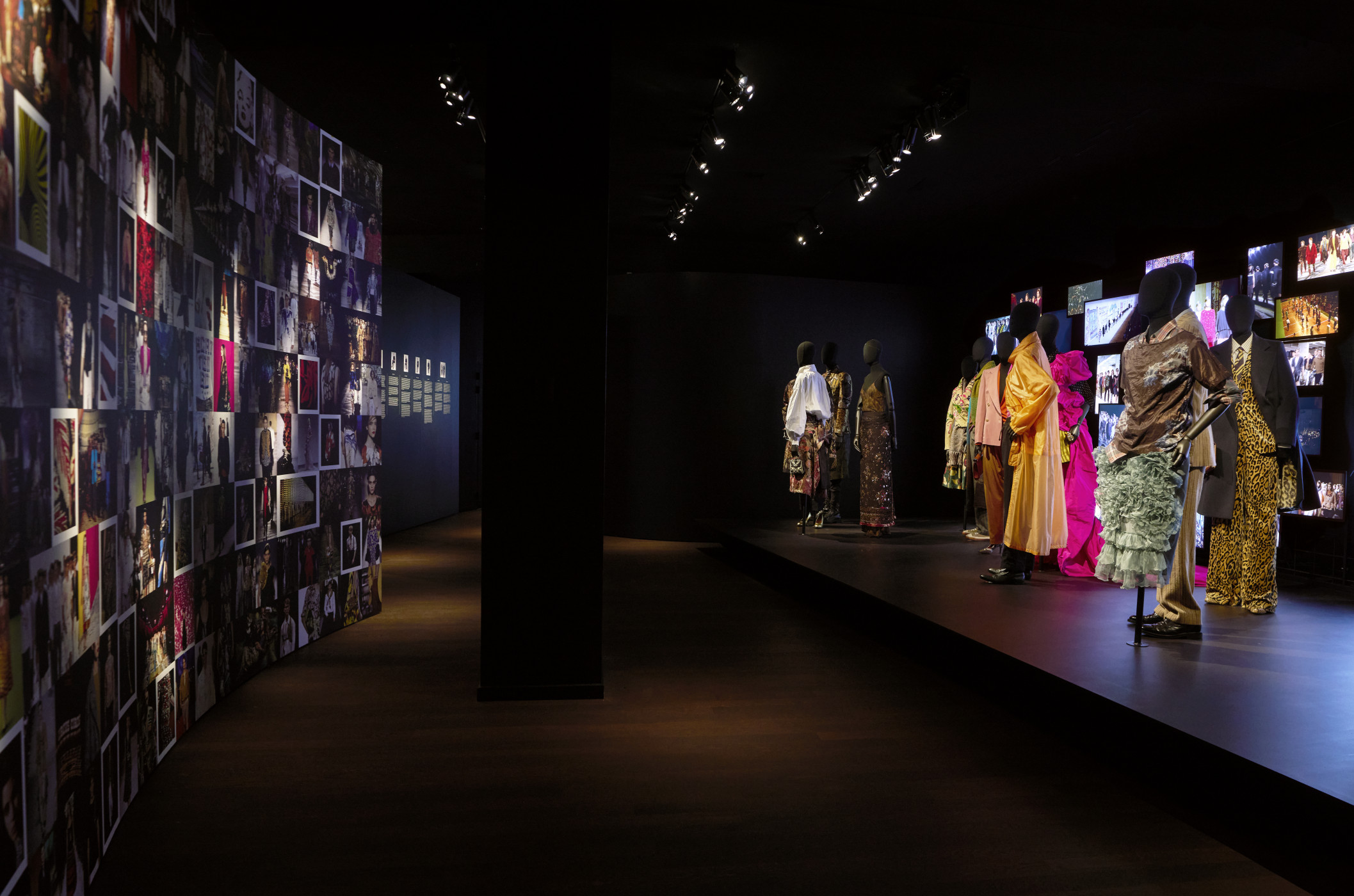
The Antwerp Six existed as a group for three years—they came to London five times to show their collections, and their final collective show was in Paris—and then each went their own way. The first room of the exhibition is dedicated to these years, displaying documents—photos, videos, sketches, invitations, letters, advertisements, and press—related to the history of The Antwerp Six as a group, their social and cultural context, and the overall history of the Antwerp fashion scene, especially their fashion design department at the Royal Academy. There are some unique pieces here, but please note that to fully grasp everything, see all the gems, and read all the explanations, you'll need to spend a fair amount of time here, or even return again.
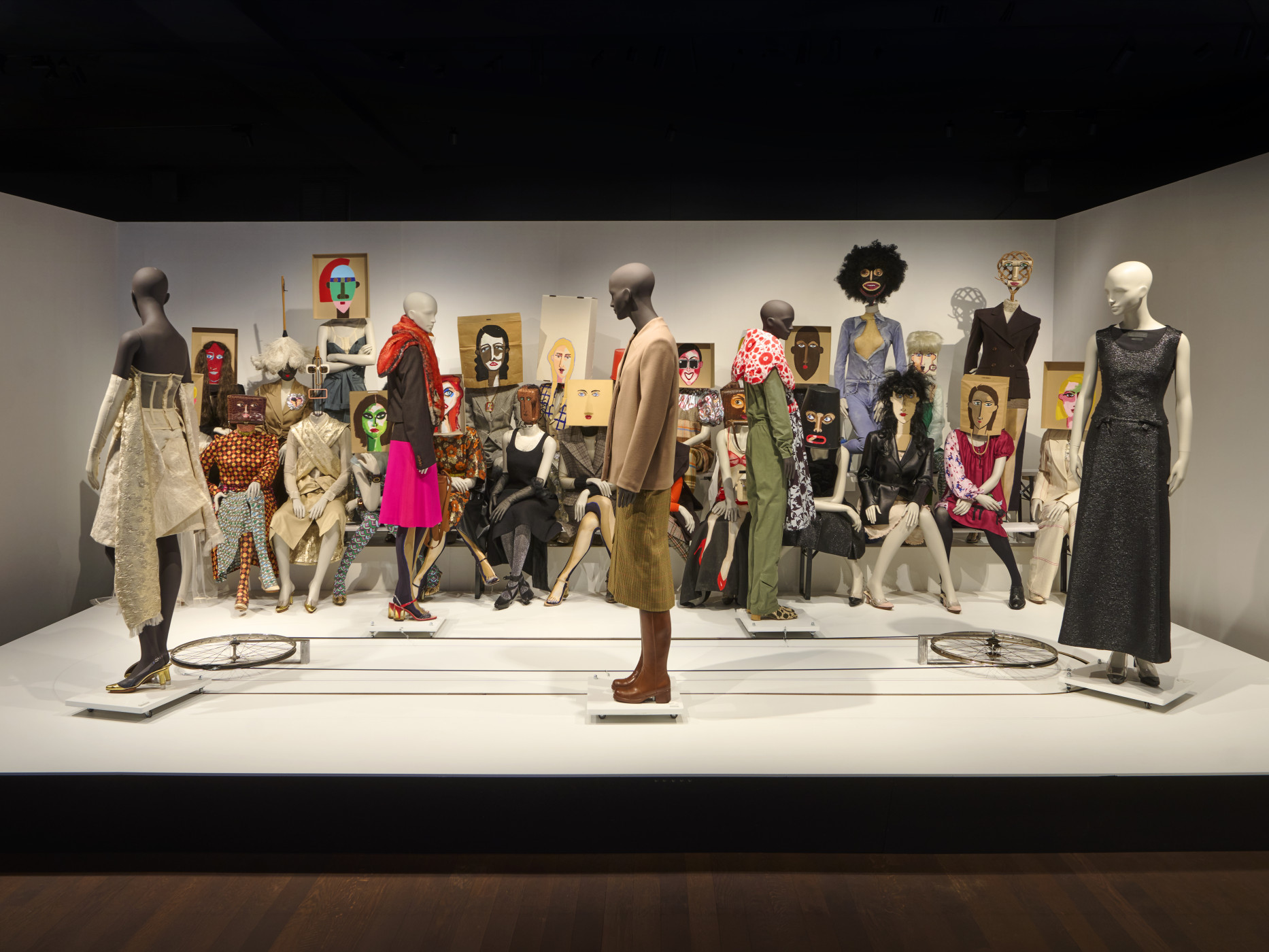
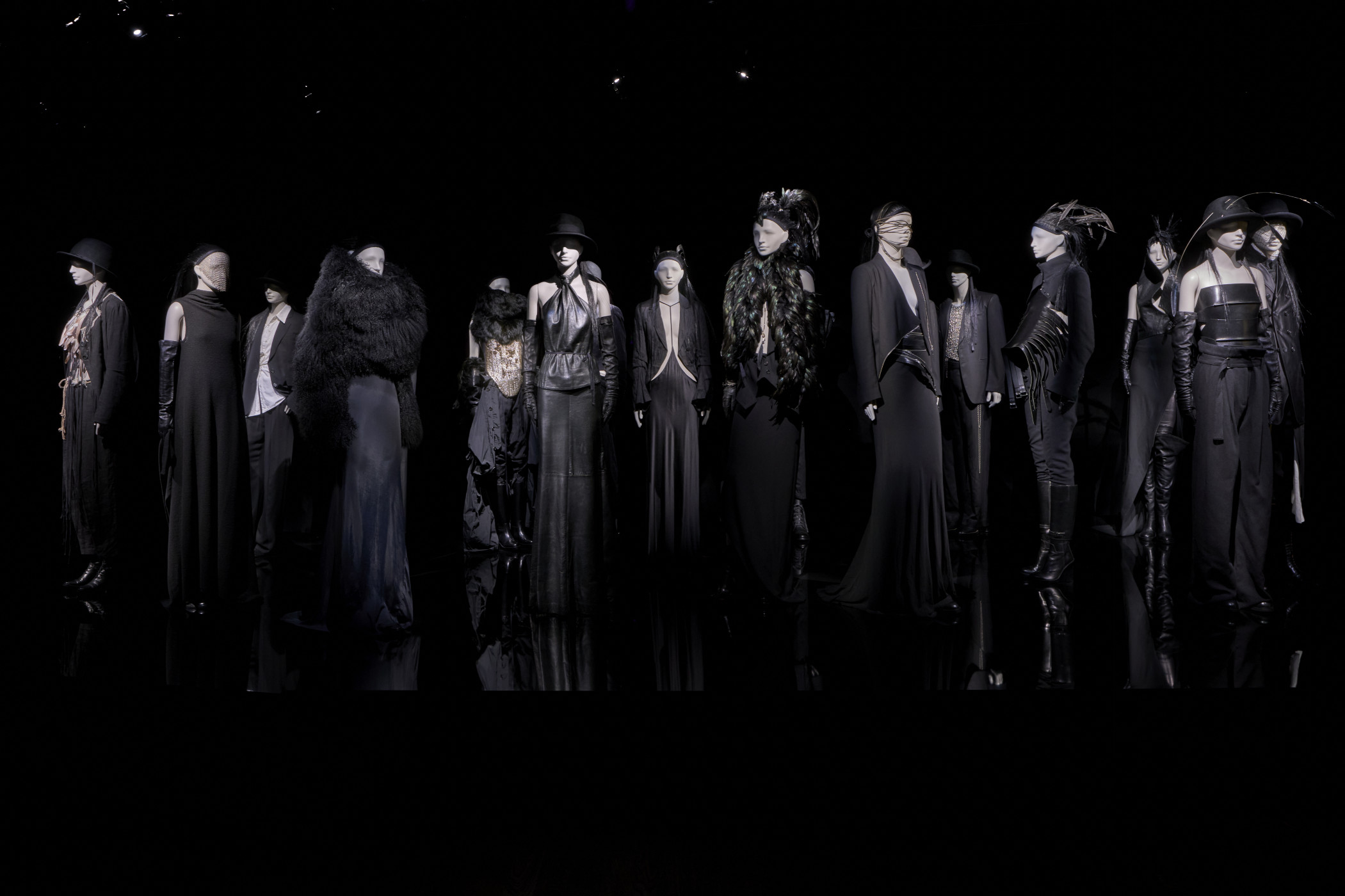
Then comes the exhibition's main attraction: six named rooms, each curated by one of The Six. There's a room devoid of any clothing, just soccer balls and sports photos from Bikkembergs ads, and another room with mannequins in Dirk Van Saene clothing riding on rails. Marina Yee, before her passing last November, also created her own space—it features a veritable art installation in the form of a room, inside which, if you peer through the window, you can see her atelier, complete with furnishings. Essentially, we see how each of them presents themselves and their place in fashion history.
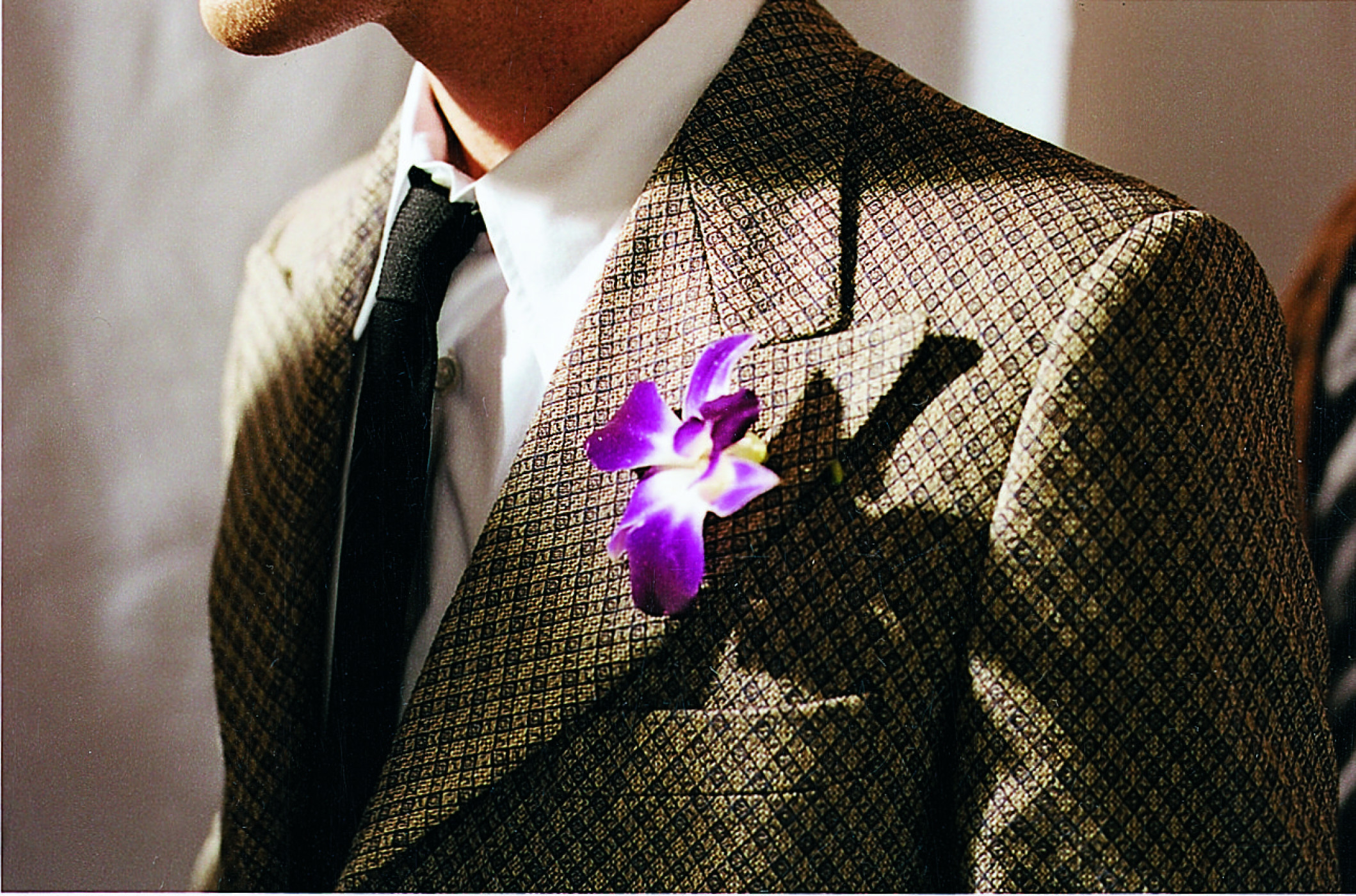
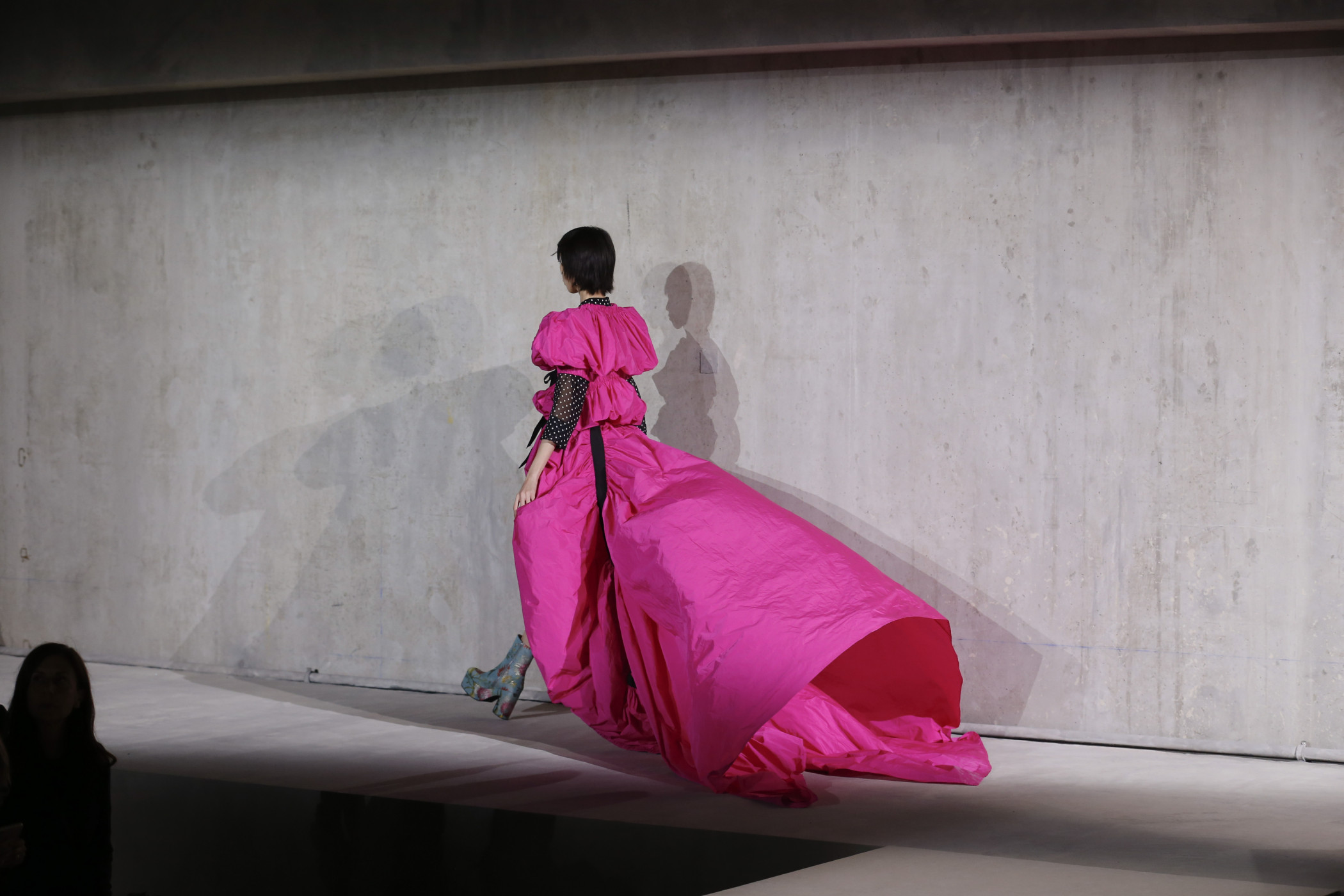
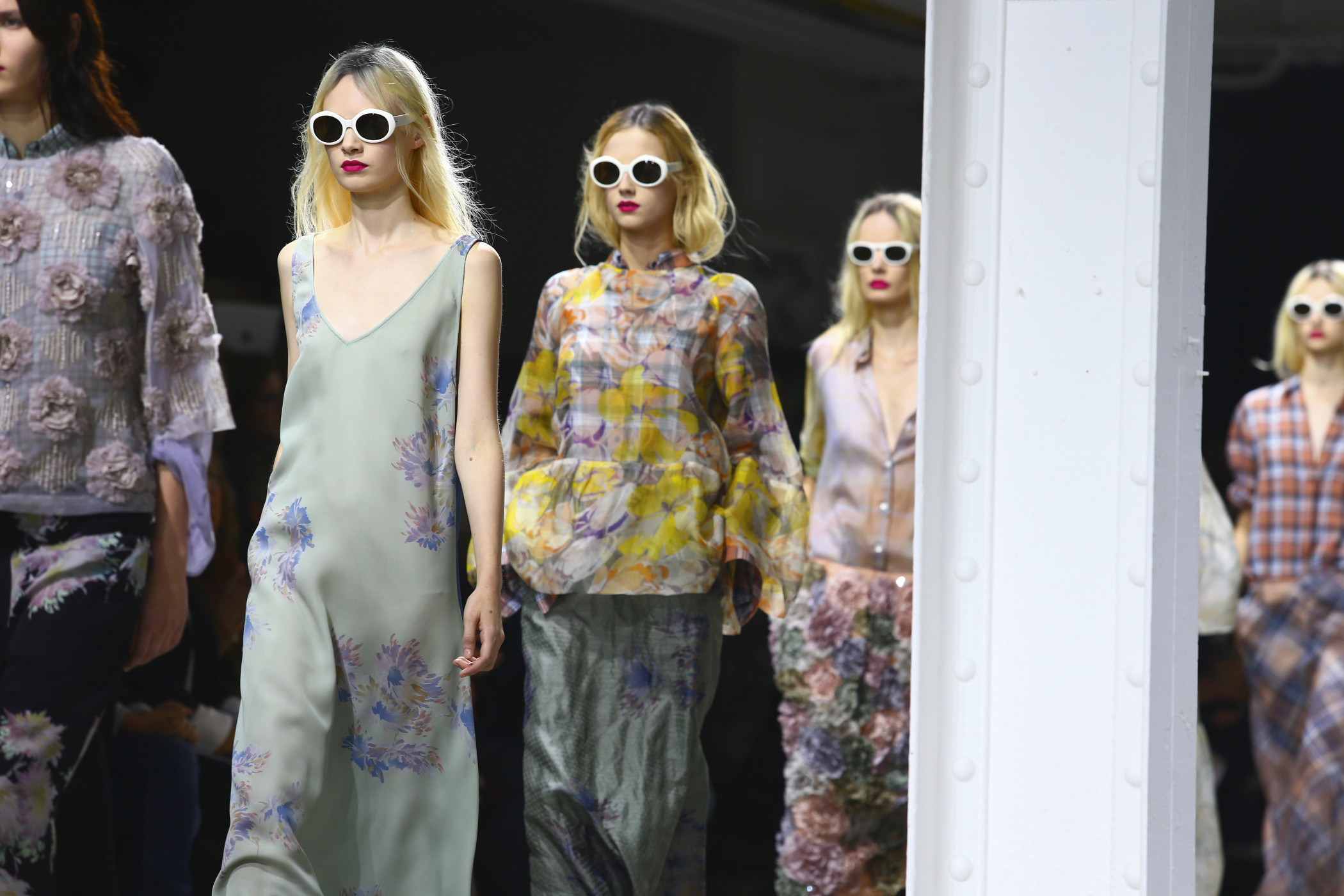
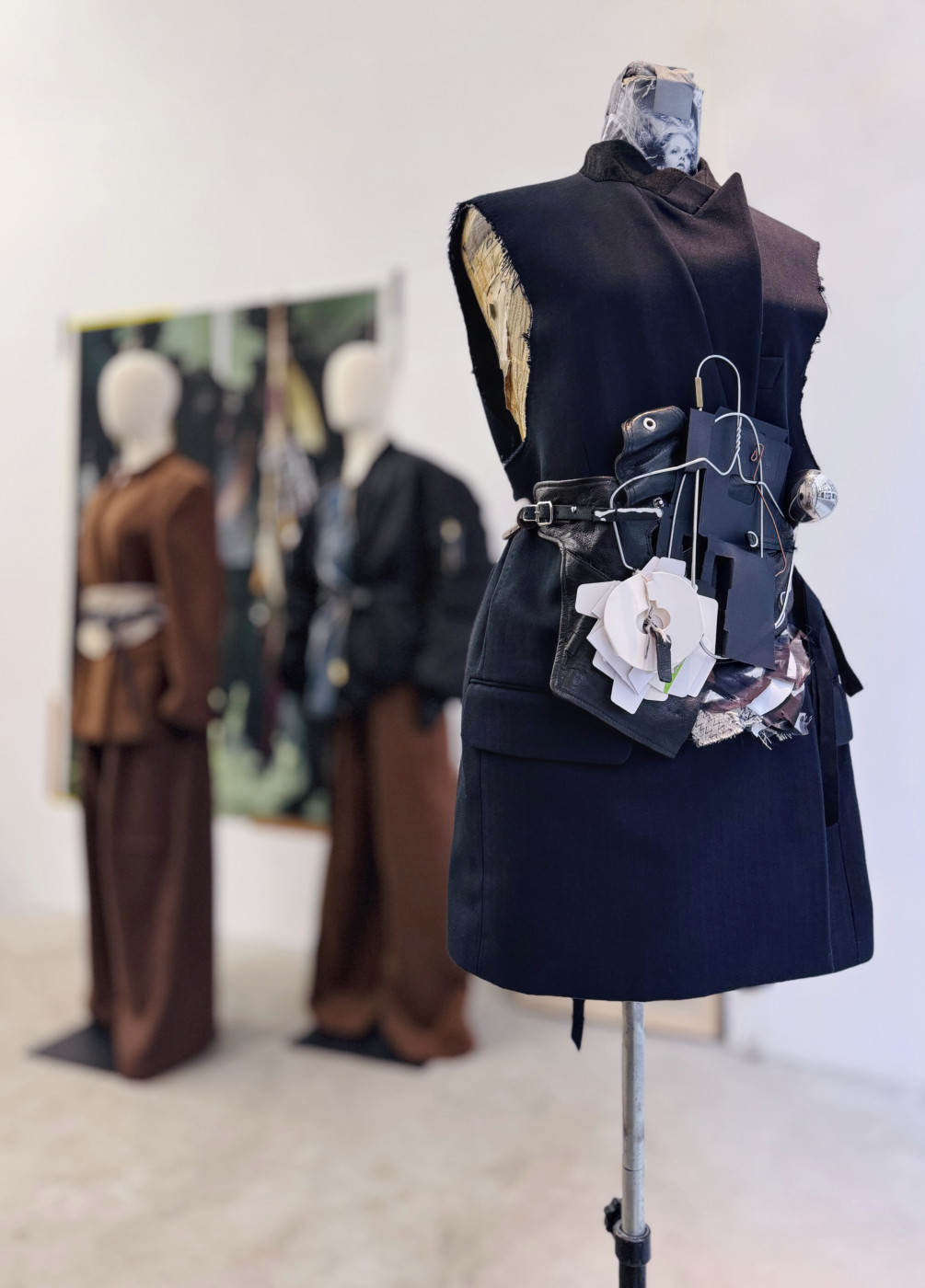
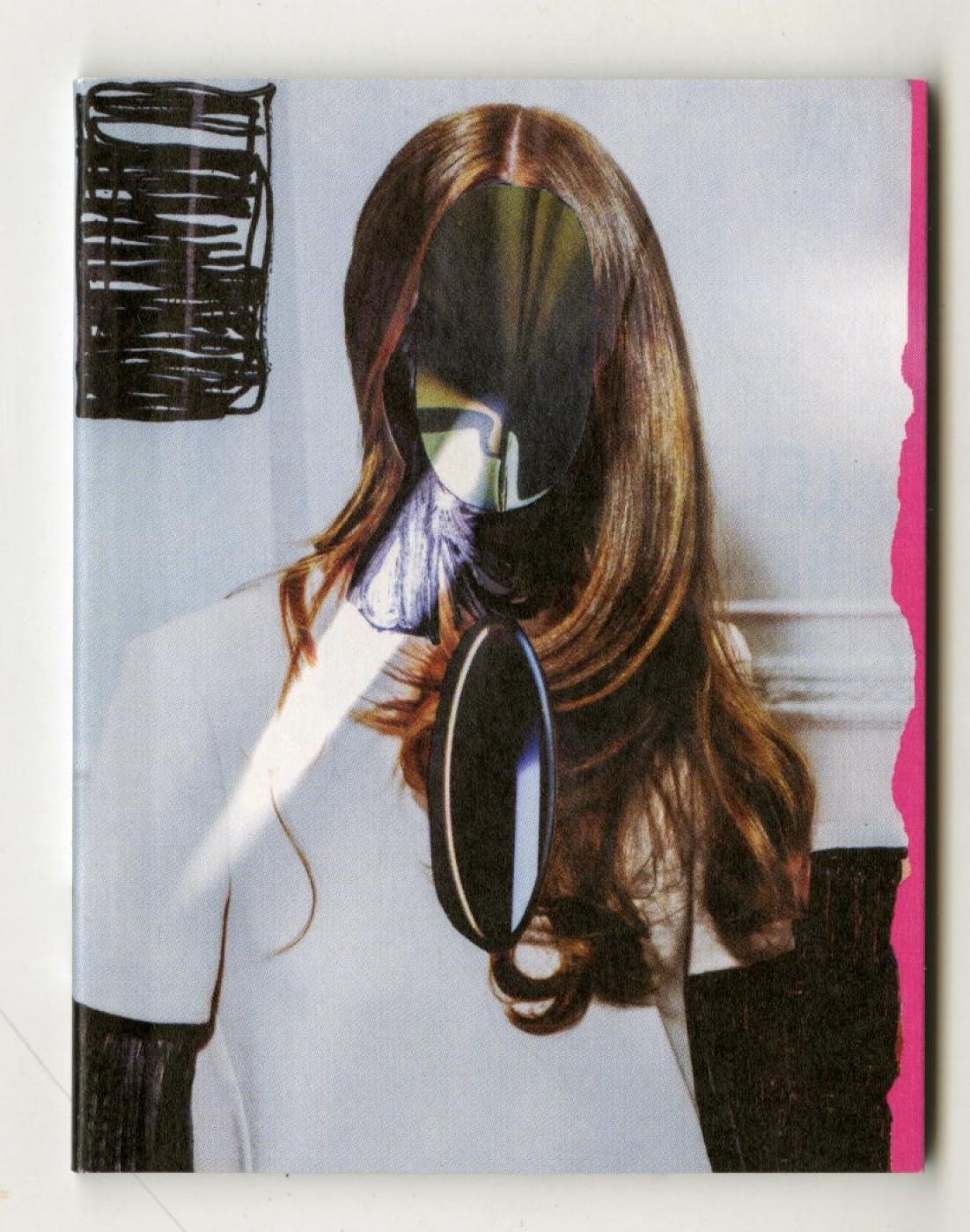
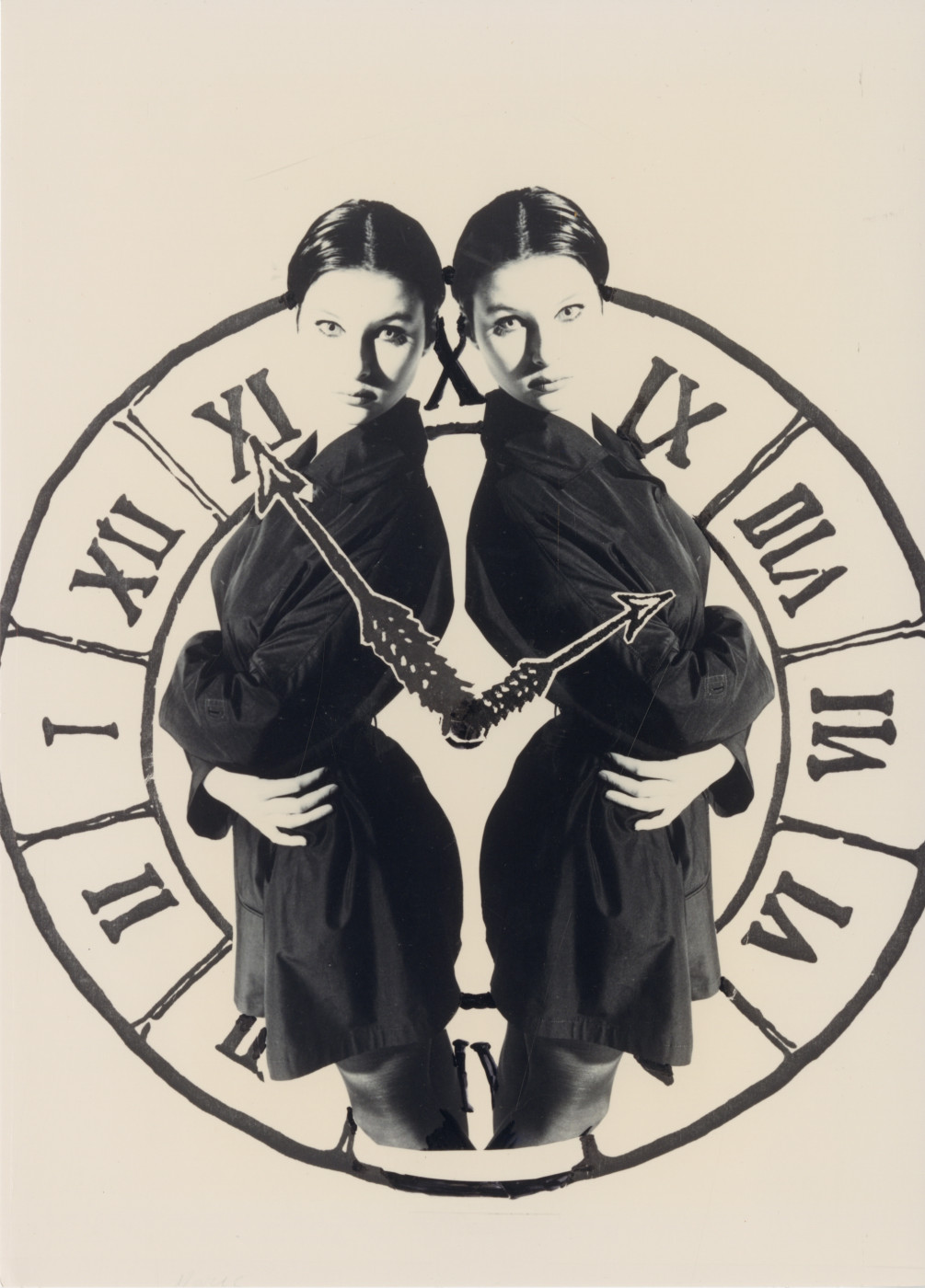
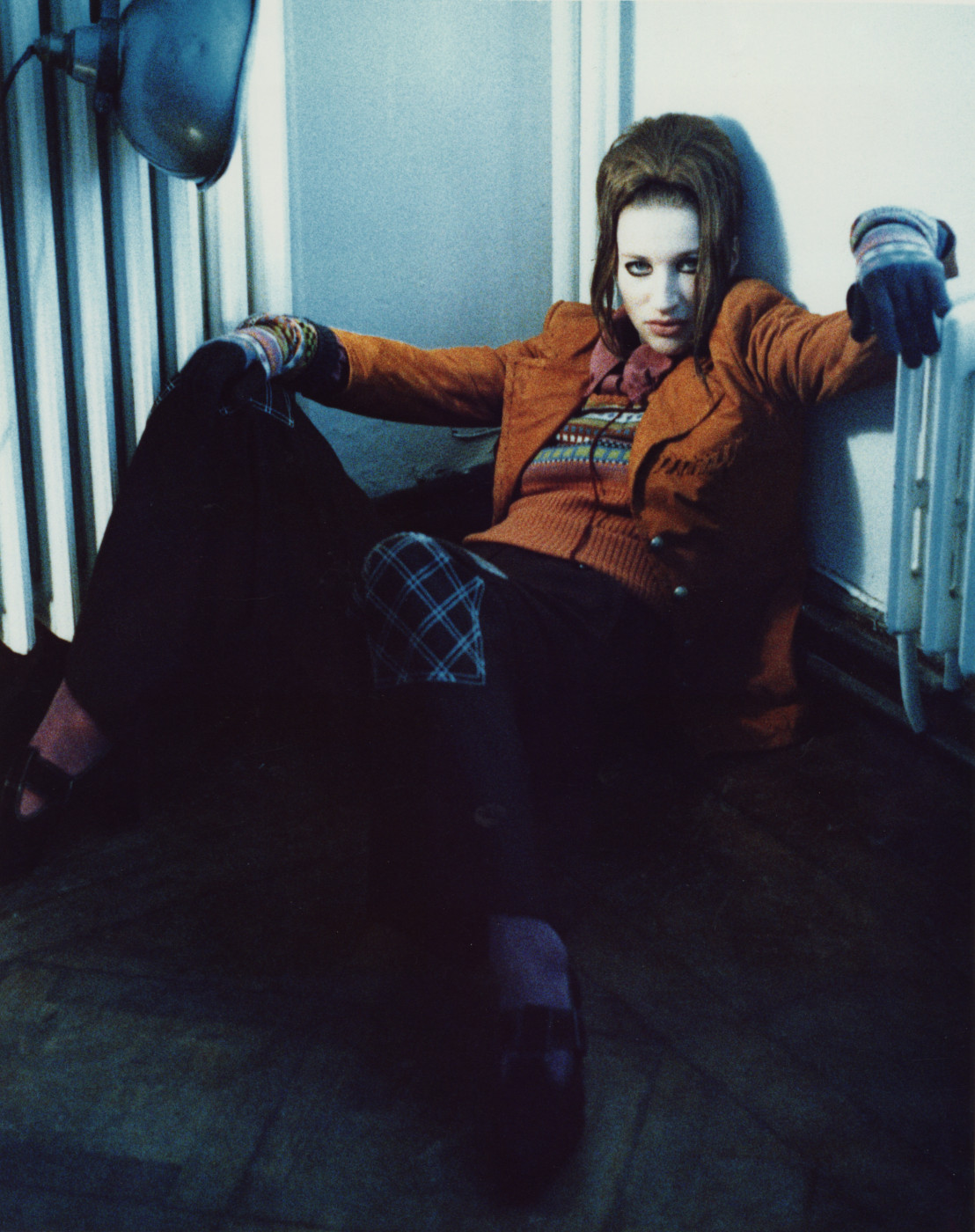
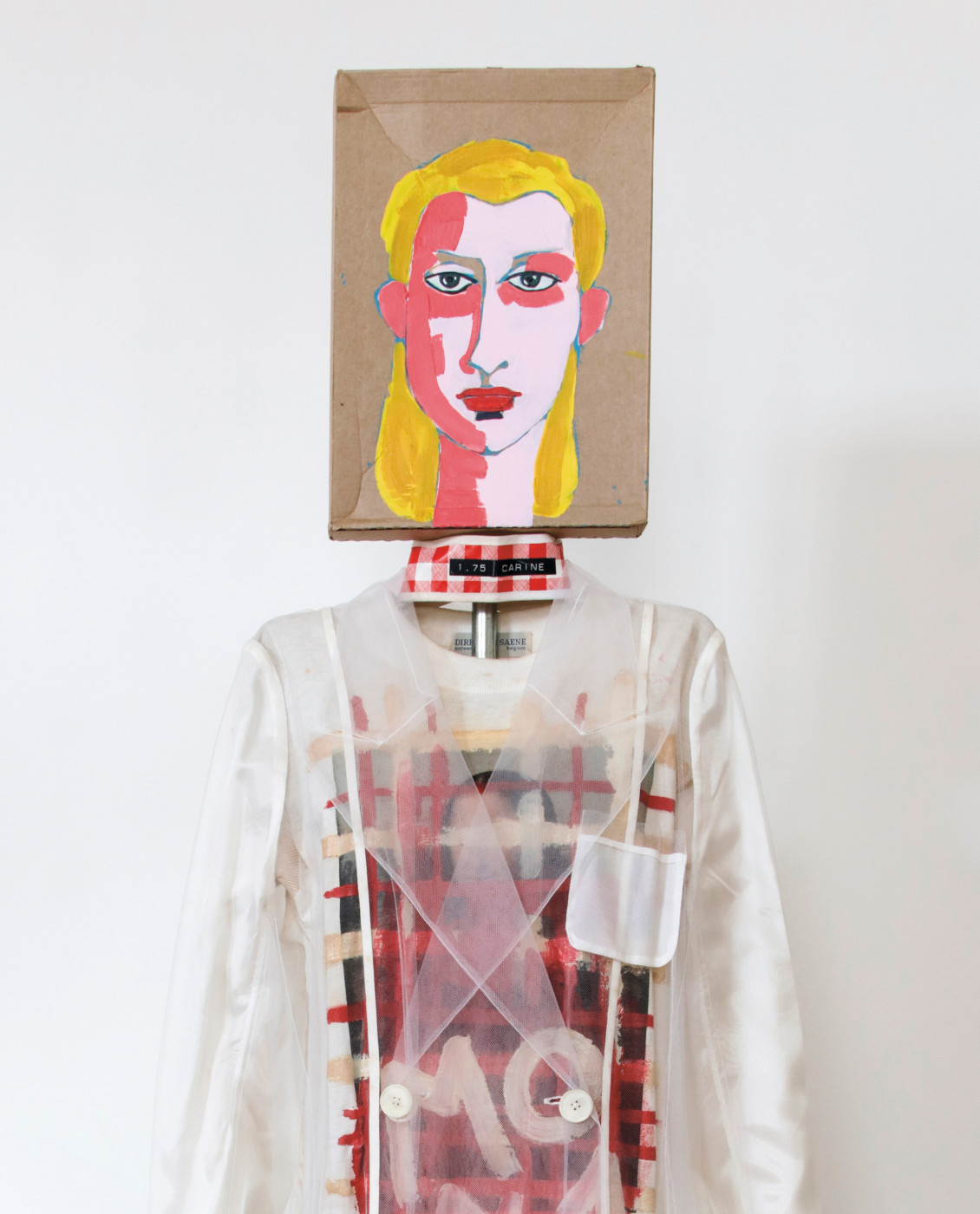
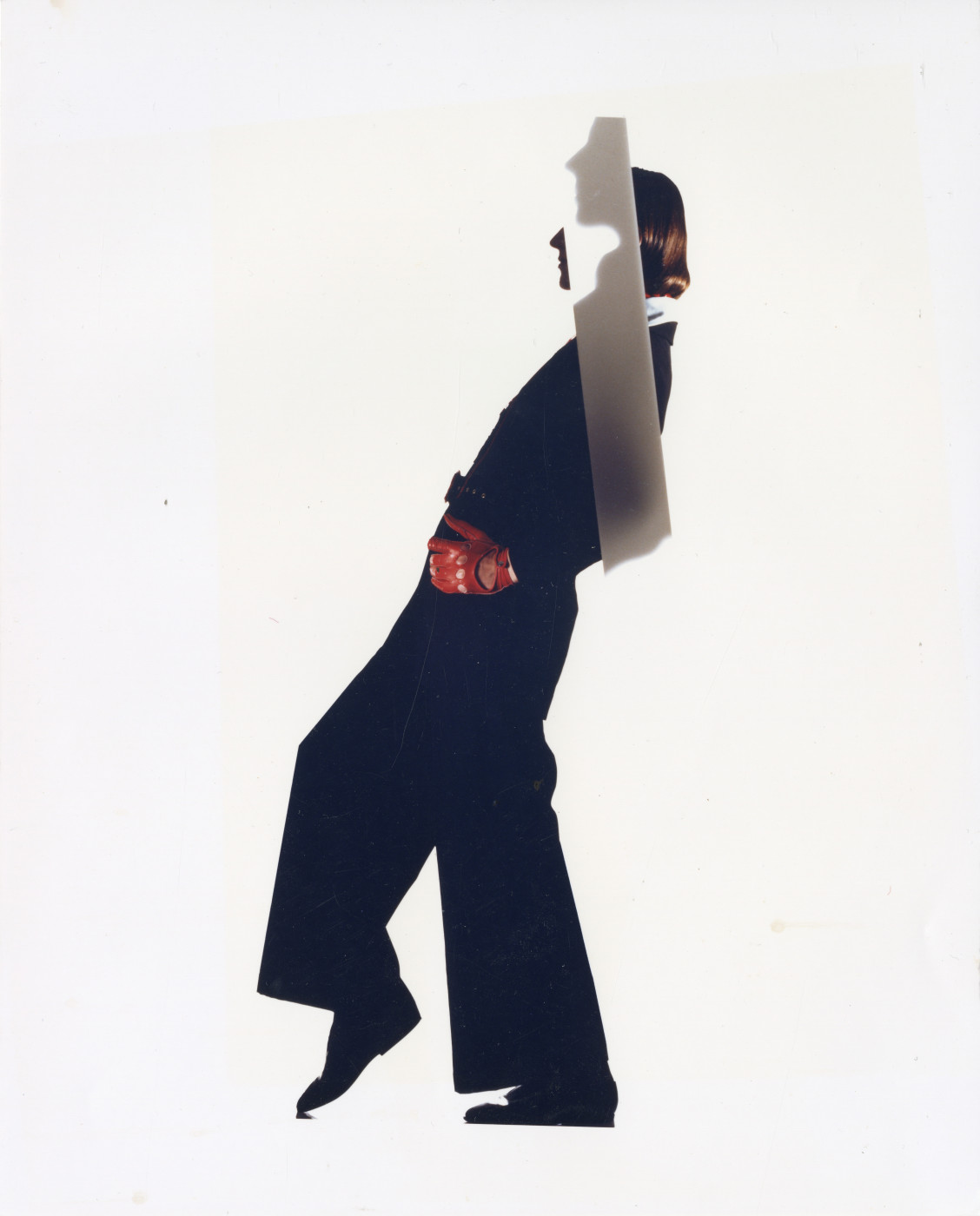
The final room is dedicated to the history of The Six after The Six, presented primarily through invitations to their shows. There's also a video room featuring a variety of people from the international fashion community—fashion critics Tim Blanks and Sarah Mower, milliner Stephen Jones, and fashion show producer Etienne Russo, as well as Raf Simons, who didn't study in Antwerp but was part of the Antwerp fashion community while interning at Walter Van Beirendonck—talking about The Six. This brings the story full circle, turning this exhibition into a tribute to the Antwerp fashion scene and the people who shaped it.
The exhibition is open until January 17, 2027, at the MoMu Museum, Antwerp.
Courtesy: The Antwerp Six
Text: Elena Stafyeva