Subscribe
On The NewsSubscribe
confirmed Your subscription to our list has been confirmed.












Art Paris 2026: Where Language Becomes Matter and Memory Learns to Heal
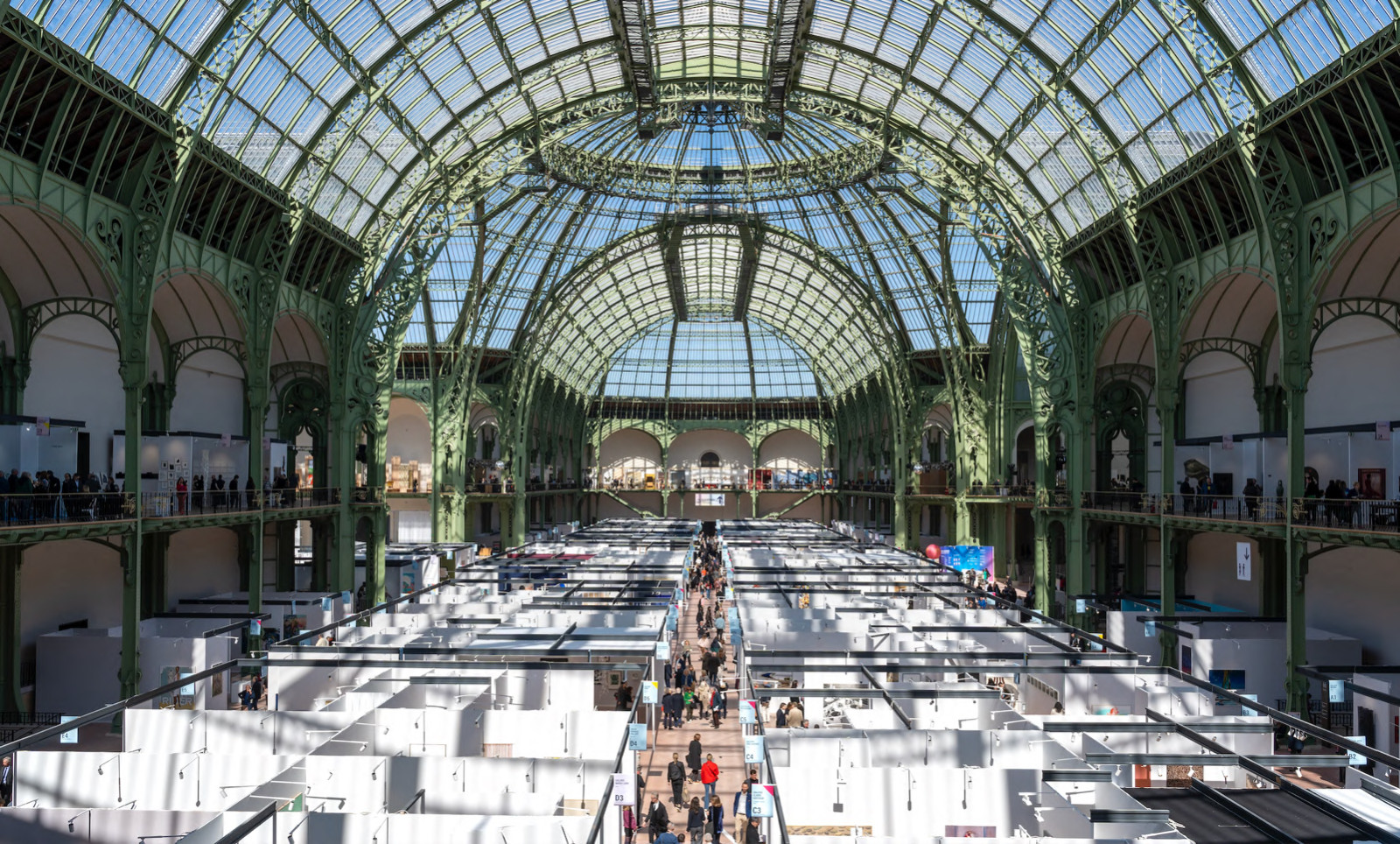
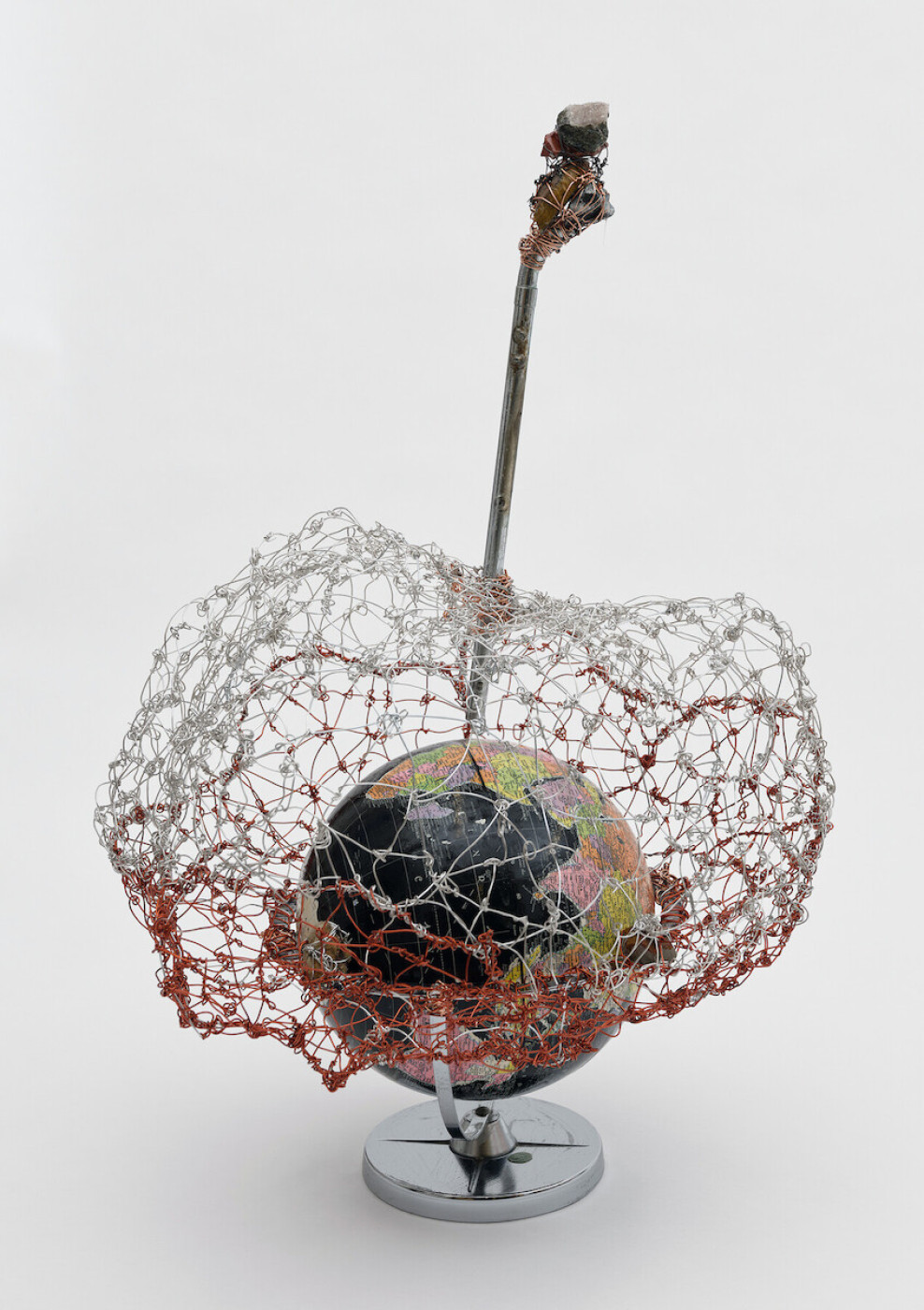
Under the luminous glass vault of the Grand Palais, Art Paris returns this spring not as a fair, but as a state of mind. A place where meaning flickers, dissolves, and reforms—where art does not simply reflect the world, but quietly rewrites it. From April 9 to 12, 2026, more than 160 galleries from over 20 countries converge in a choreography of perspectives, transforming the historic space into something fluid, almost sentient. This is not an exhibition you walk through—it is one you inhabit.
At its core, two curatorial visions unfold like parallel narratives. *Babel: Art and Language in France*, curated by Loïc Le Gall, feels like stepping into a language that has forgotten its own rules. Words fracture, drift, and reassemble into new forms—no longer tools of communication, but objects of desire, tension, and ambiguity. Meaning slips just out of reach, inviting you to lean closer.
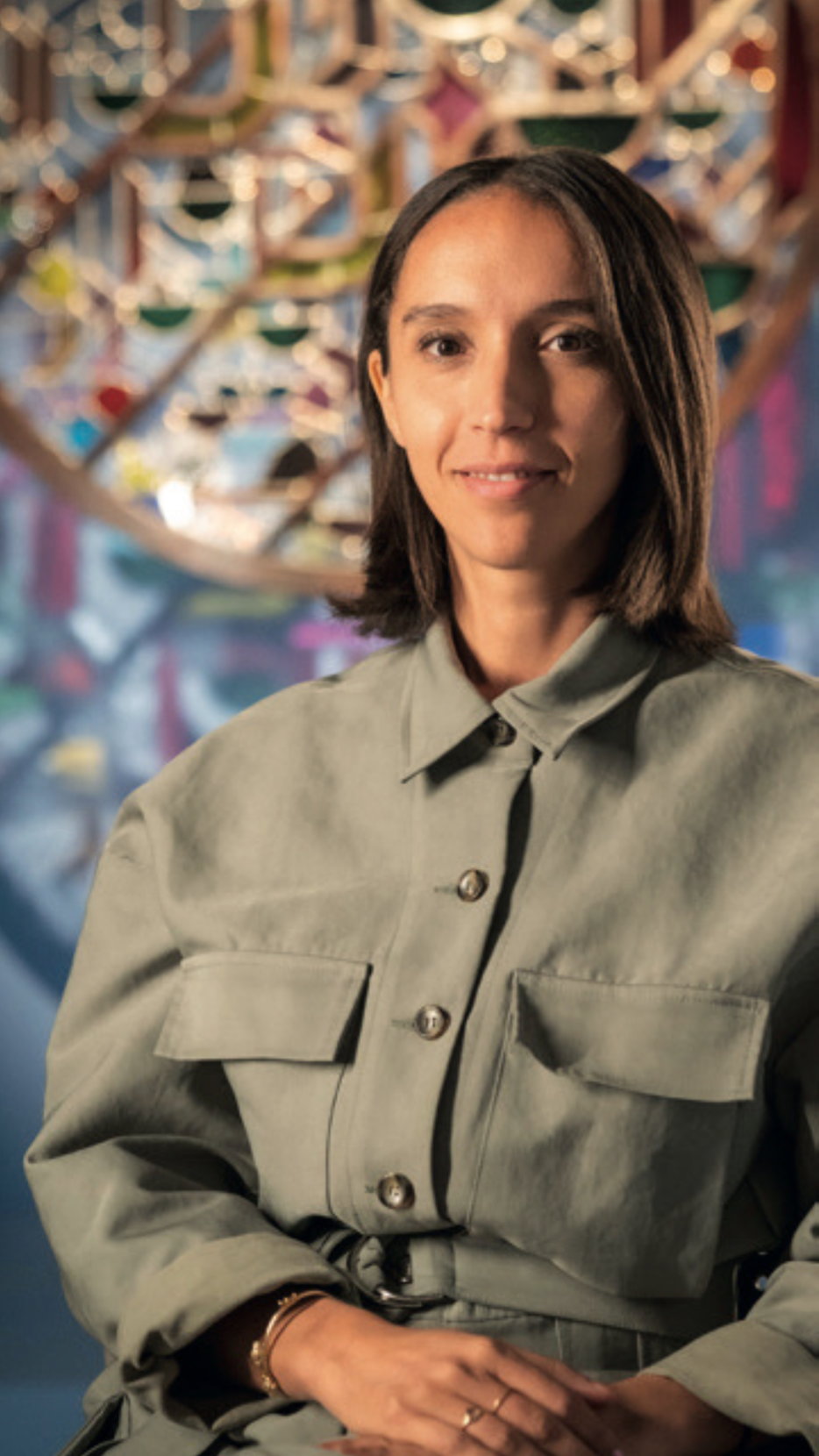
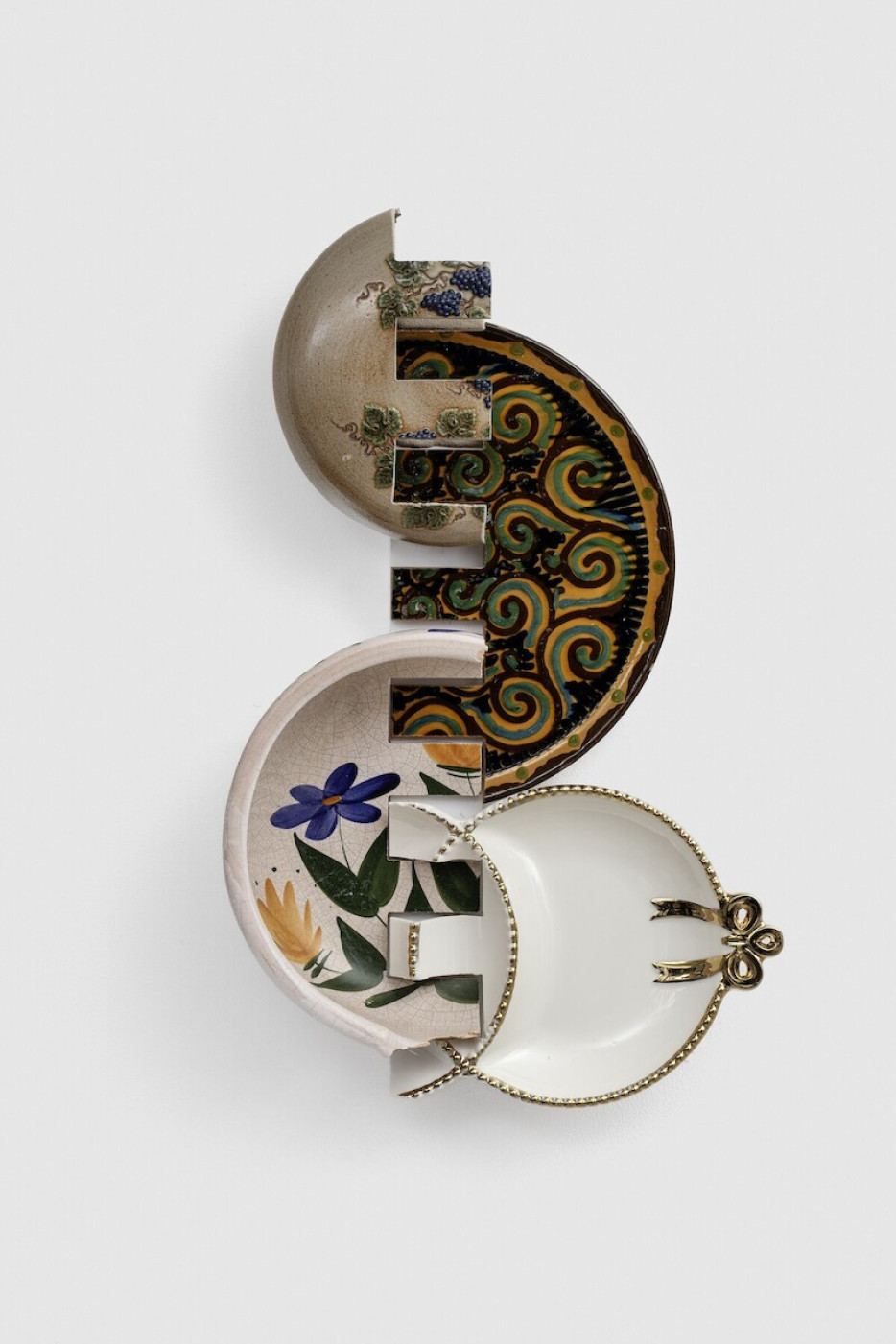
This sensibility finds a striking echo in the fair’s institutional landscape. The BNP Paribas Banque Privée Prize this year is awarded to Sara Ouhaddou, whose practice moves between craft and code, tradition and translation. Her works—rooted in material intelligence—read like quiet negotiations between cultures, where symbols are never fixed, only continuously reinterpreted. If *Babel* speaks in fragments, *Reparation*, curated by Alexia Fabre, speaks in echoes. Not of what was, but of what remains. Here, art becomes a gesture of care—subtle, insistent, unresolved. It traces the contours of memory, of absence, of histories that refuse to be silenced. There is no illusion of closure. Only the quiet, radical act of continuing.
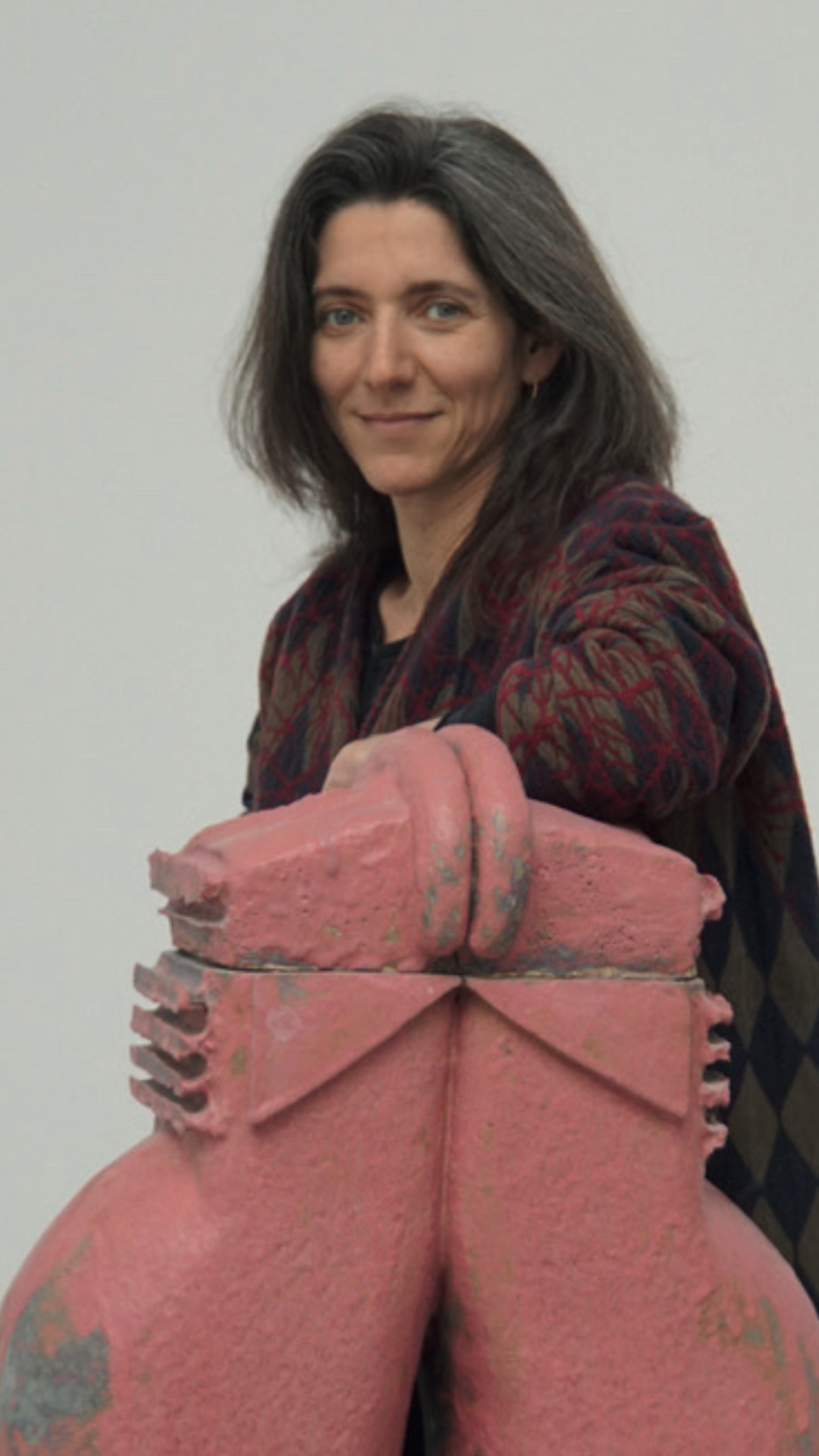
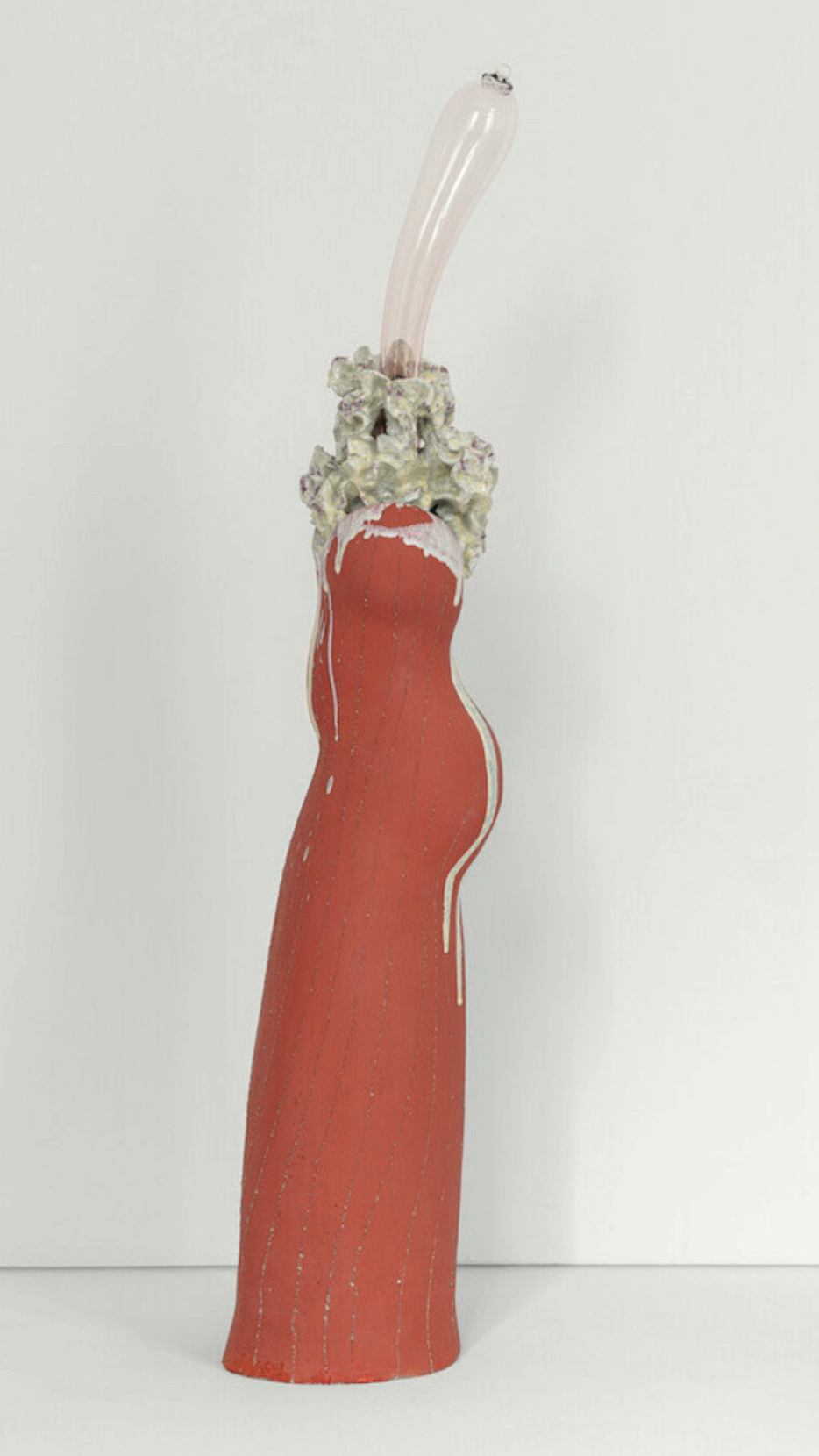
Within this emotional landscape, the "Her Art Prize" introduces a different kind of presence—one that is unapologetically physical, sensual, and alive. This year, the prize is awarded to Elsa Sahal, whose ceramic works seem to pulse with their own energy. Clay becomes body, surface becomes skin, and form becomes something instinctive, almost disobedient. Her practice resists containment, reclaiming space with a rare and visceral confidence.
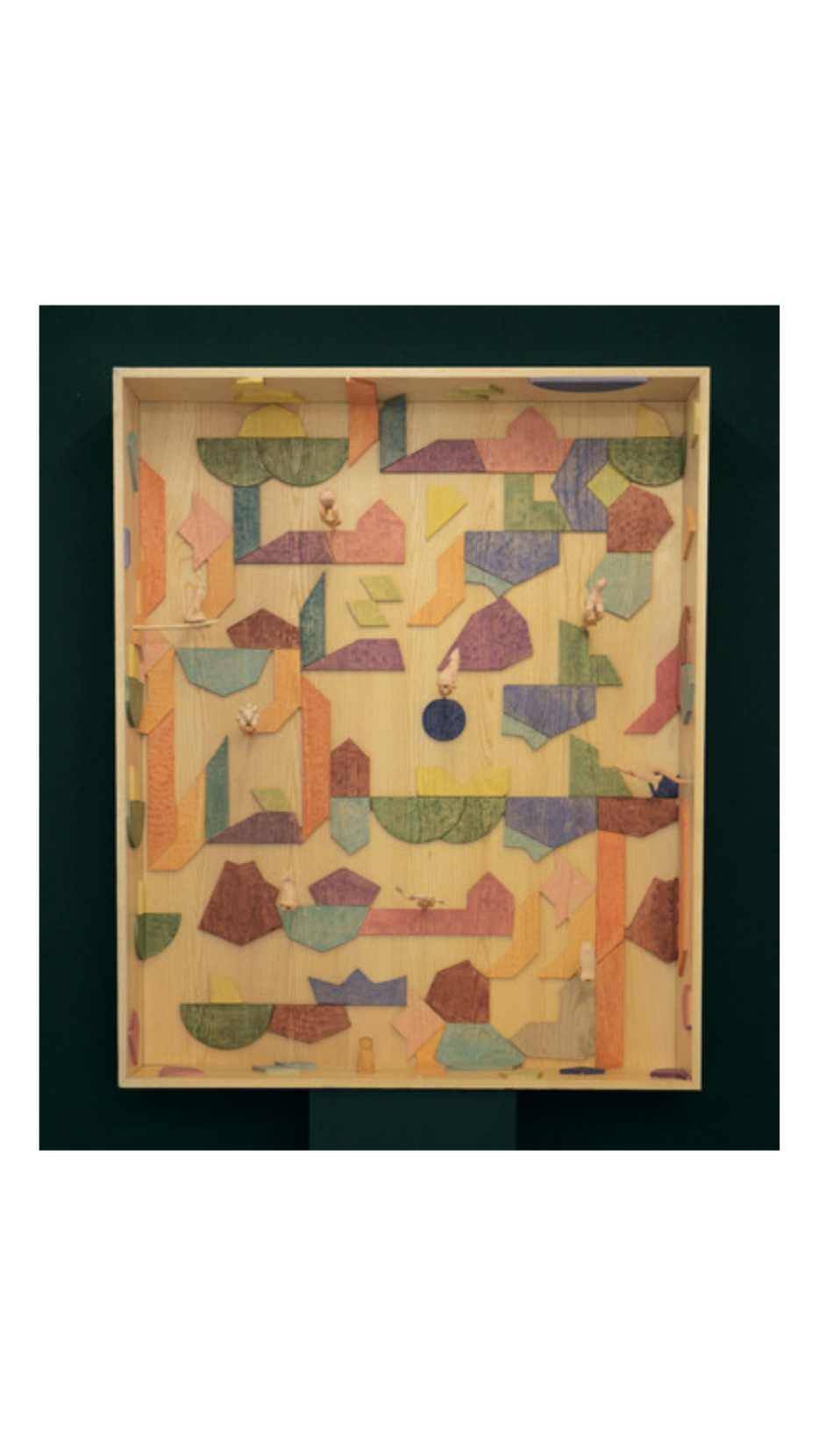
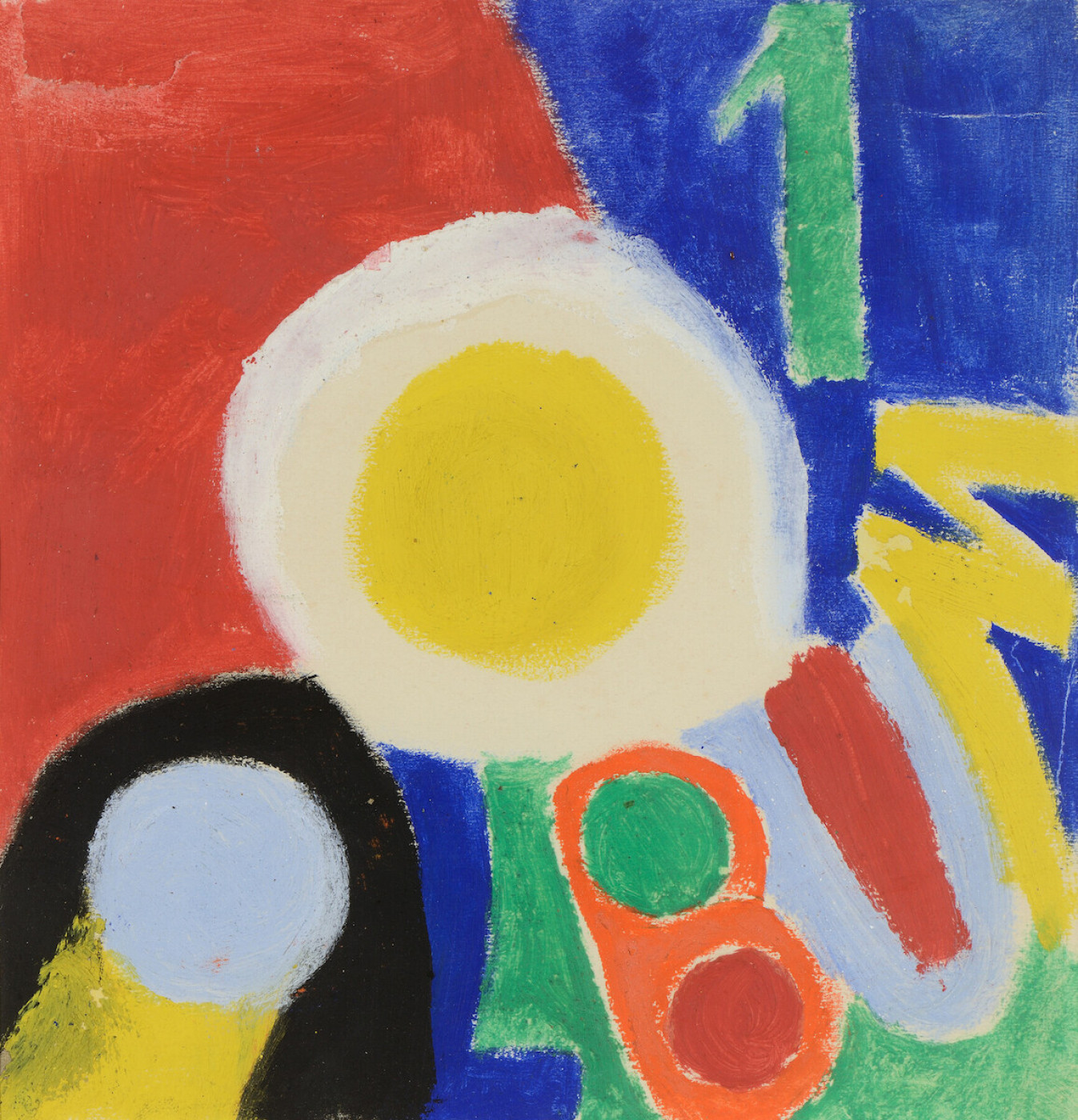
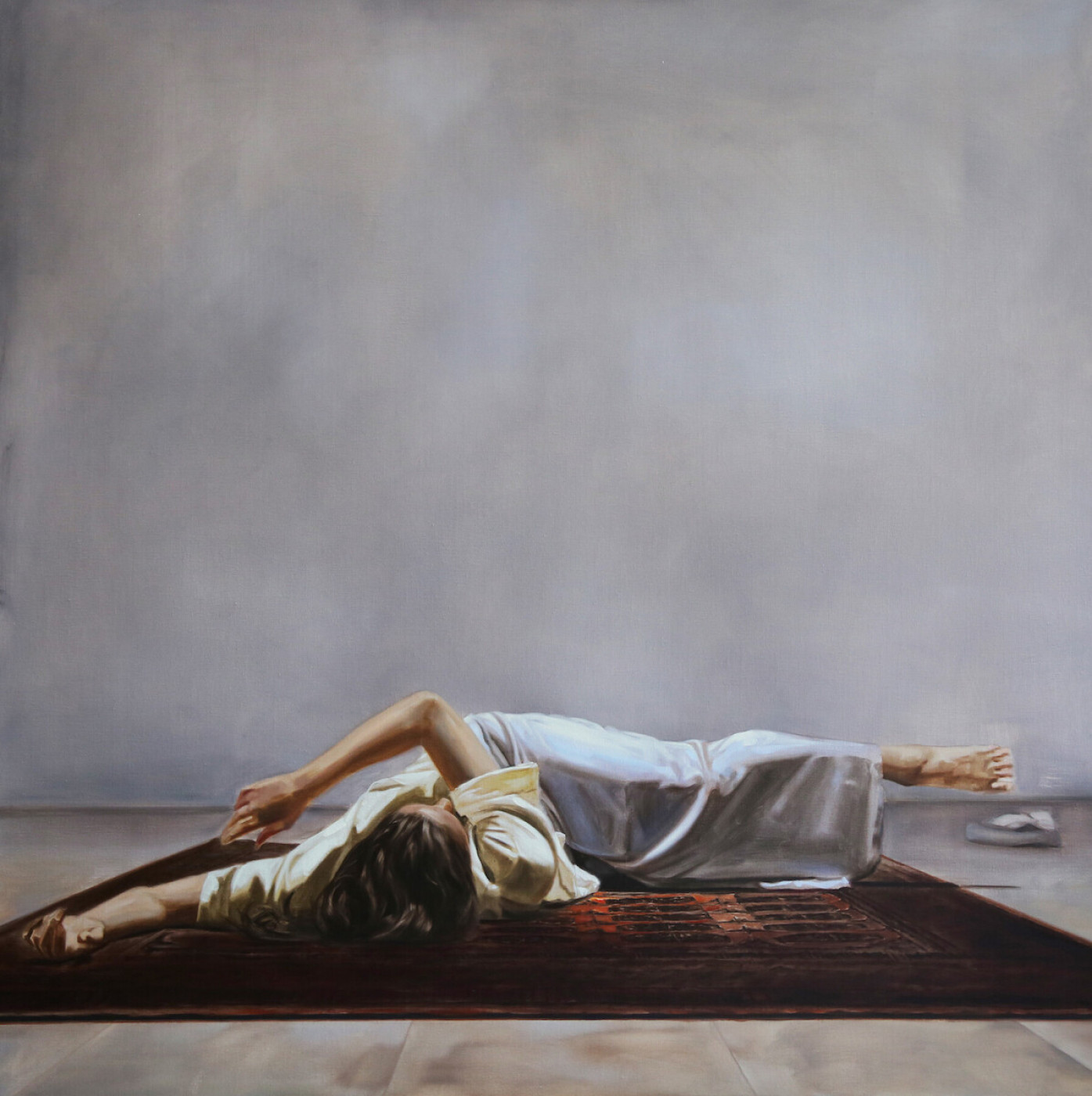
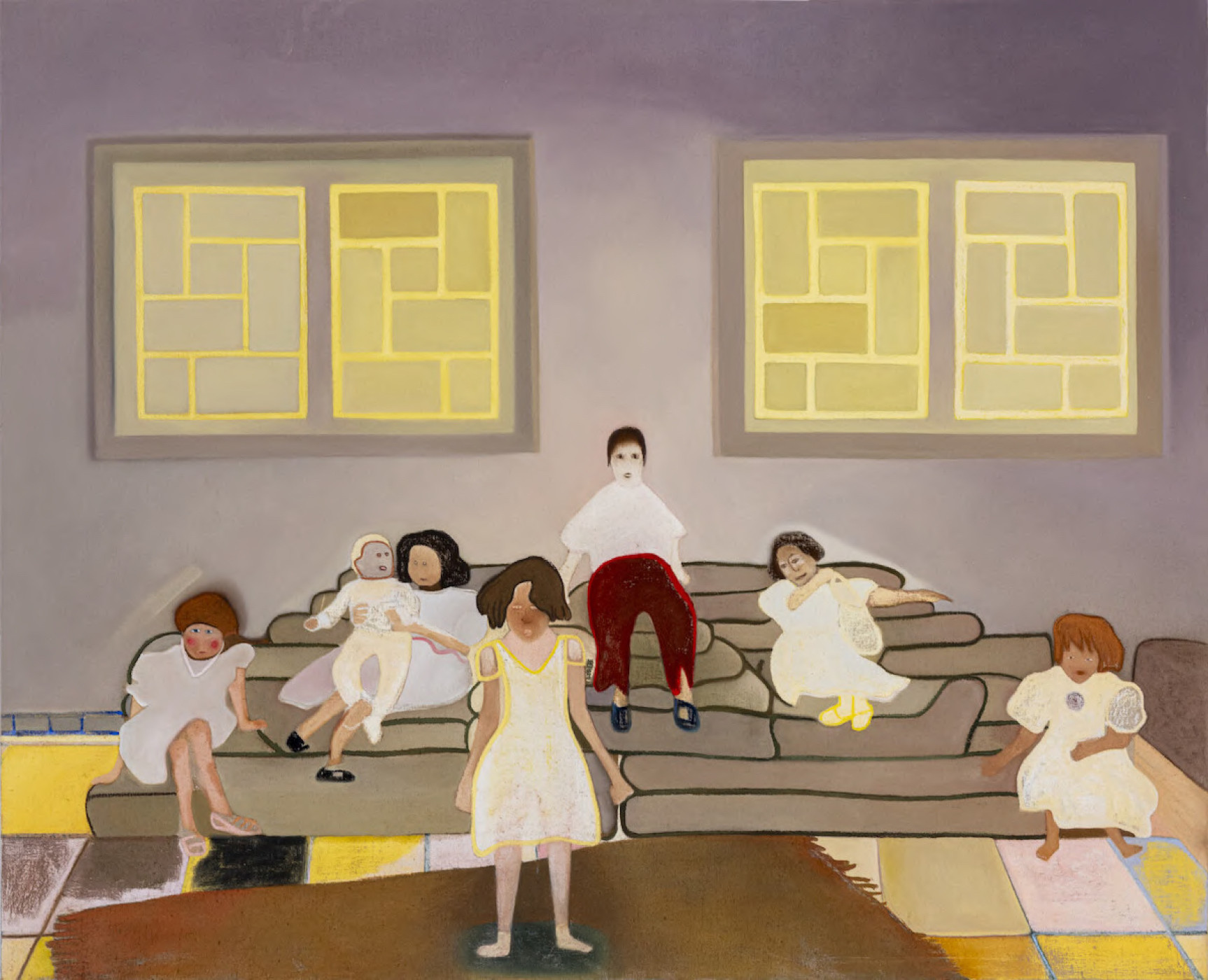
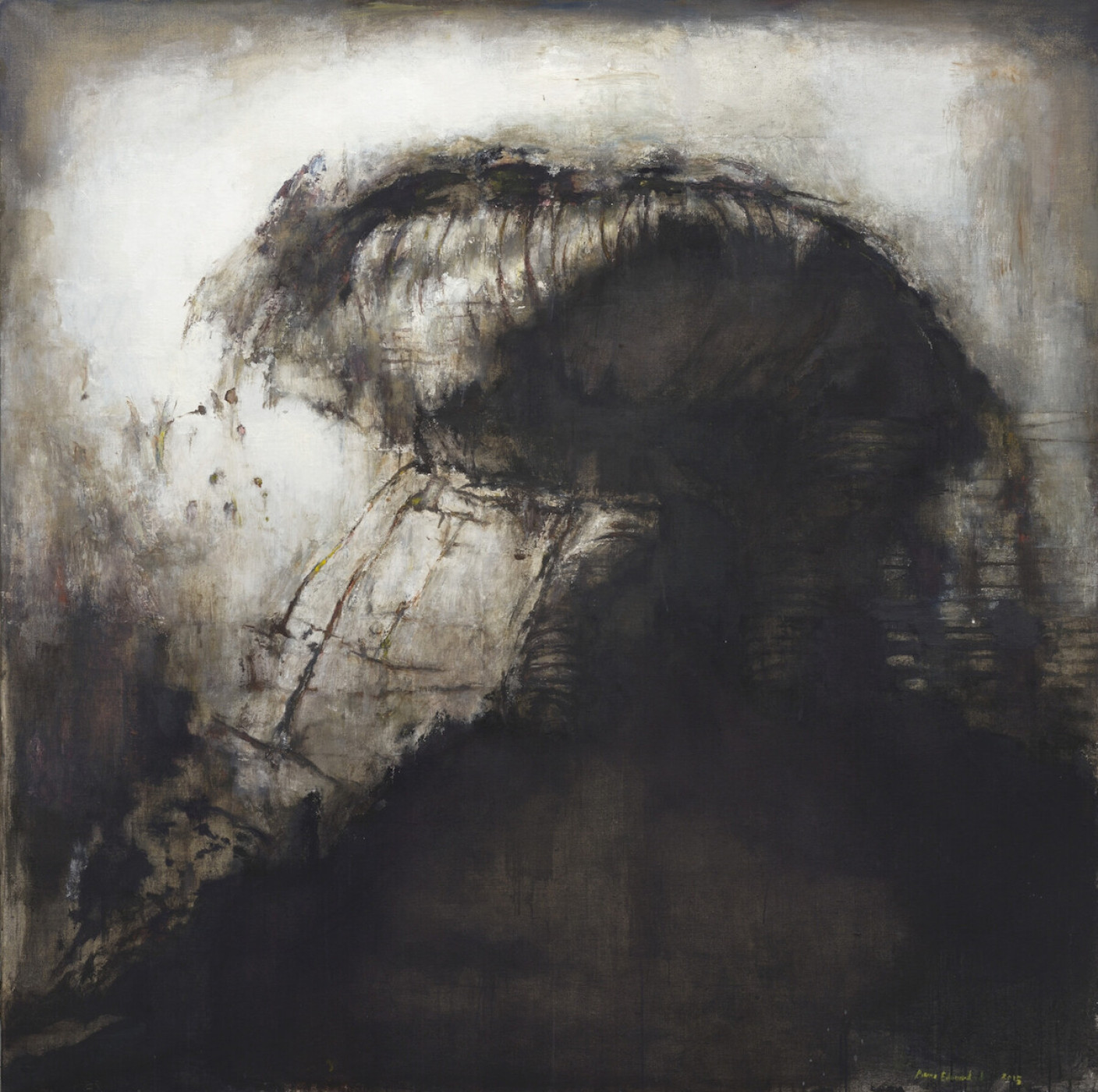
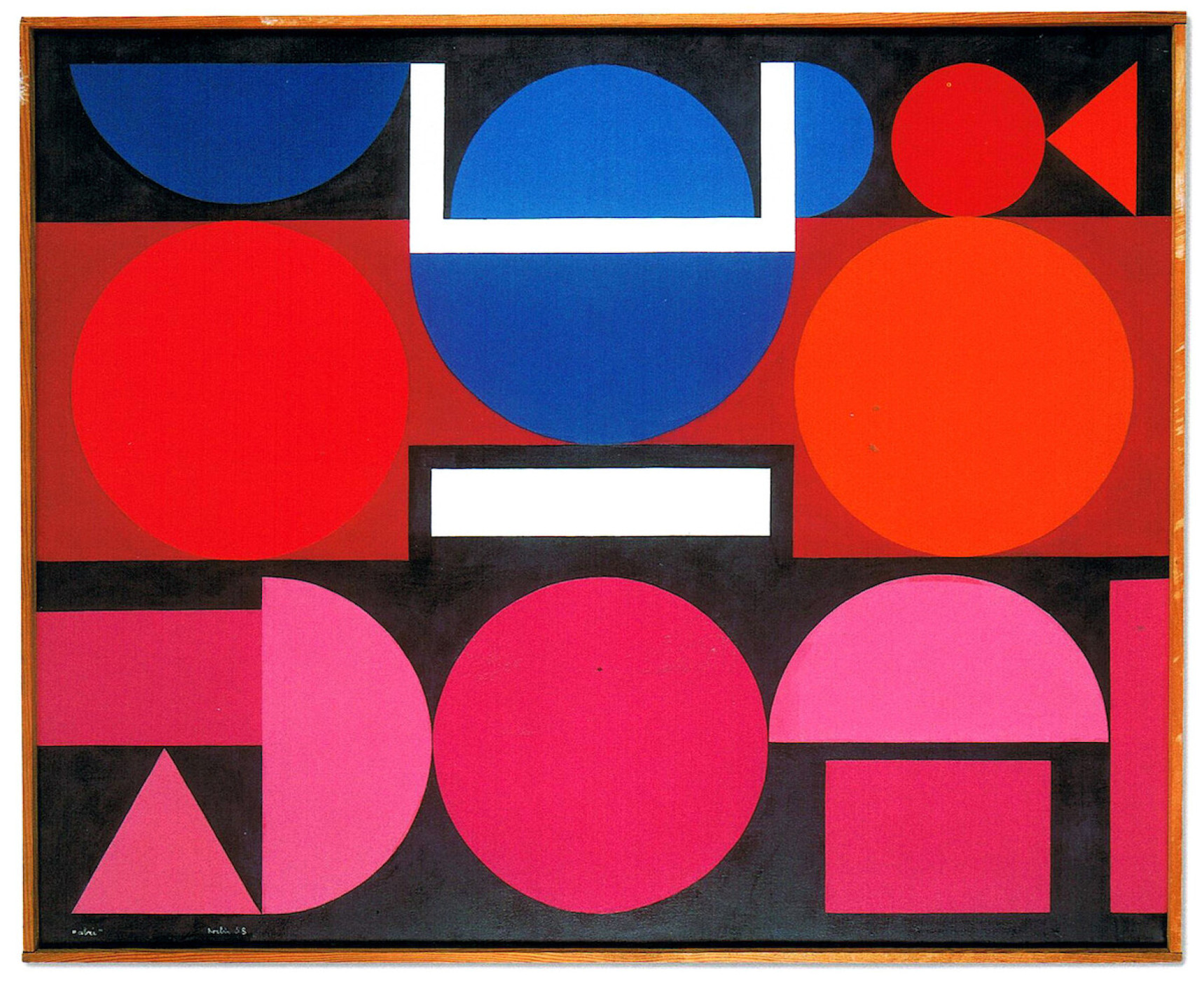
Elsewhere, the fair expands in all directions. The "Promises" sector captures the urgency of emerging voices—27 galleries, each bringing a sense of risk, experimentation, and something still in formation. There is a rawness here, a refusal to settle. This spirit of discovery unfolds through a series of distinct artistic voices across the fair. From the atmospheric canvases of Pierre Edouard, where texture and emotion take precedence, to the conceptual language of Igor Chelkovsky, each presentation offers its own visual rhythm. A more intimate dialogue emerges through the solo presentation of Justin Weiler, while the presence of Judit Reigl anchors the fair in a powerful continuity between past and present.
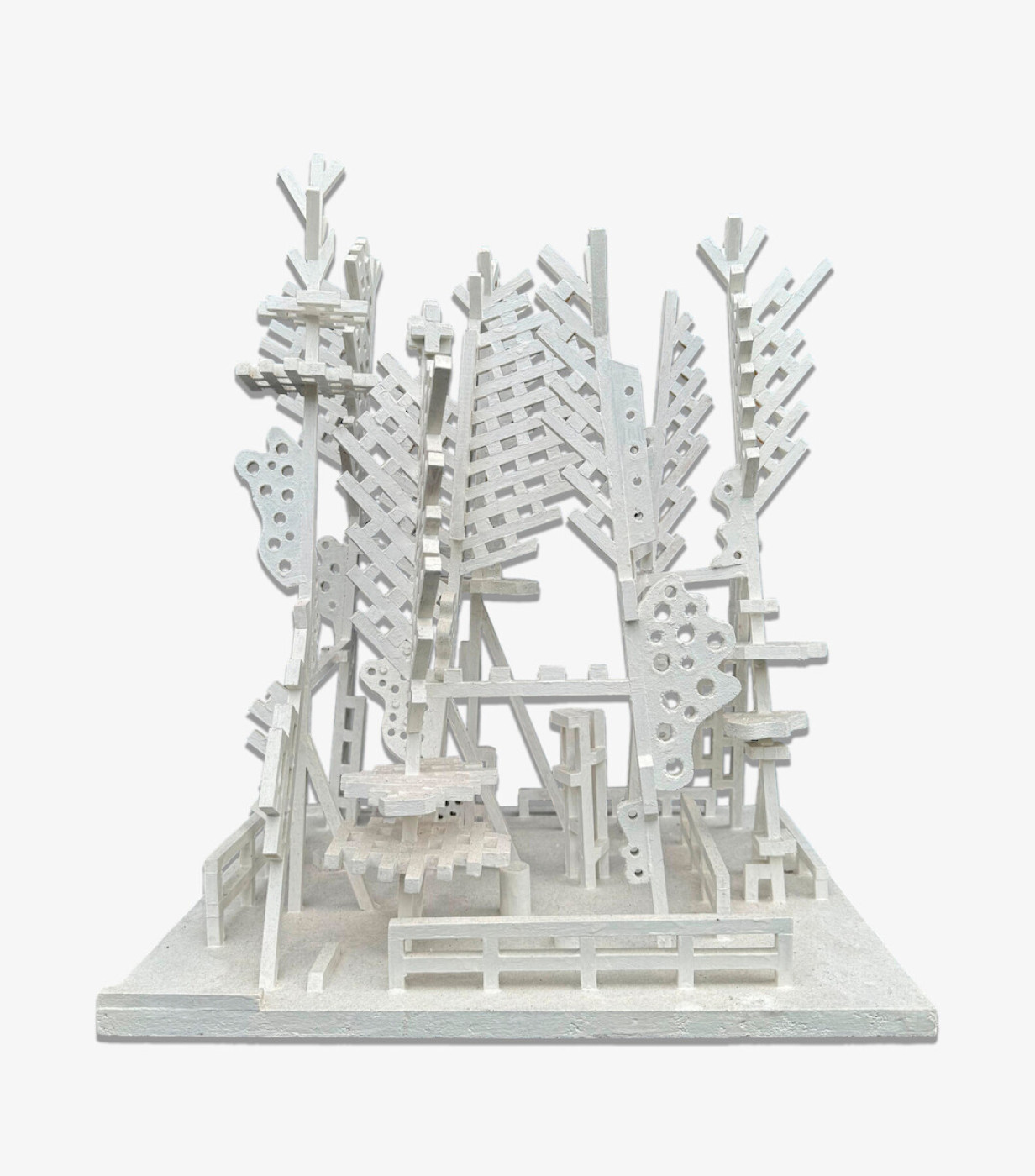
The return of the French Design Art Edition further blurs the boundaries between disciplines. Objects are no longer simply functional; they become narratives in themselves—sculptural, collectible, and deeply intentional, existing somewhere between art and life. Across the fair, monographic presentations offer moments of stillness—singular worlds within a collective rhythm, inviting a slower, more precise way of seeing.
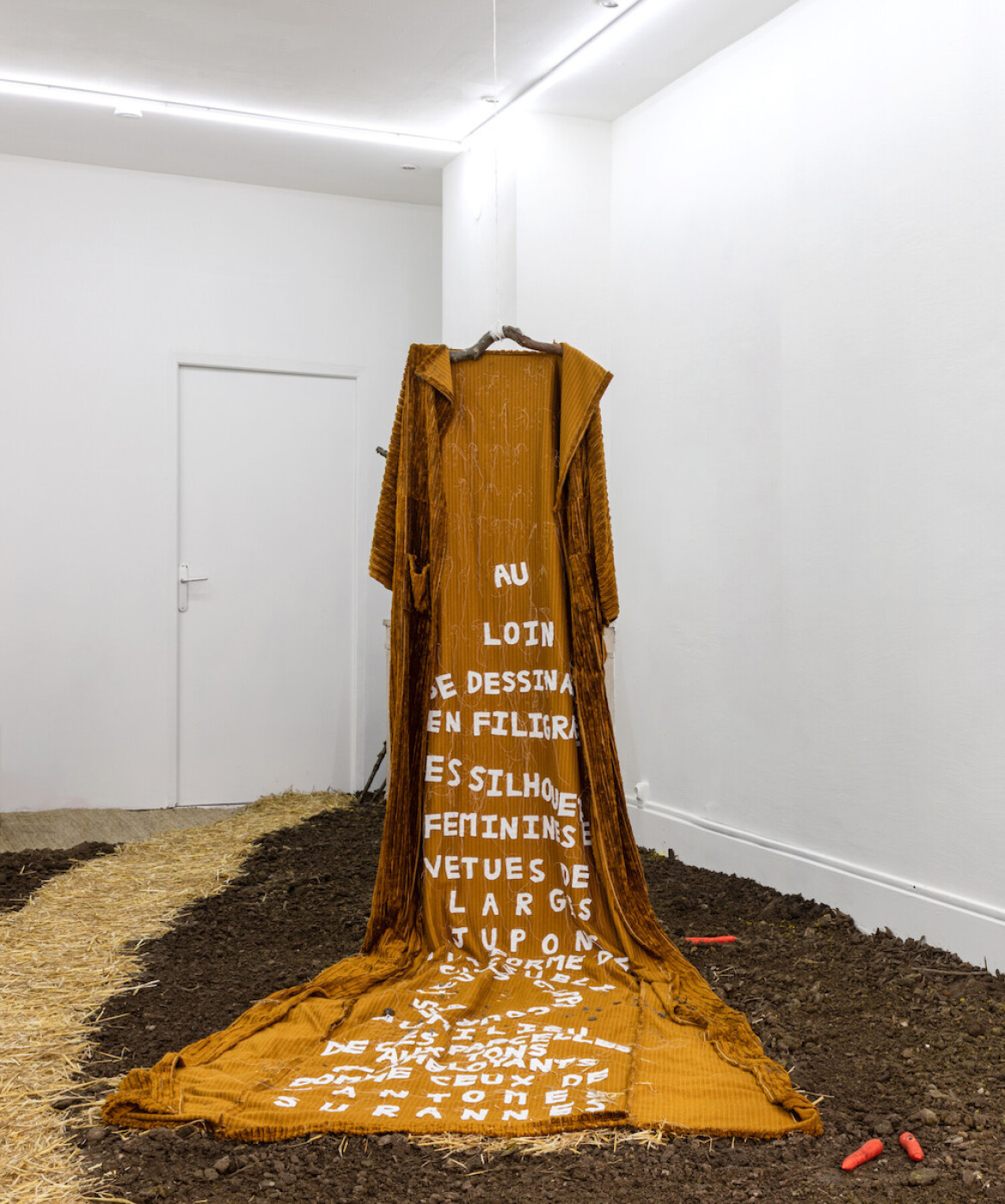
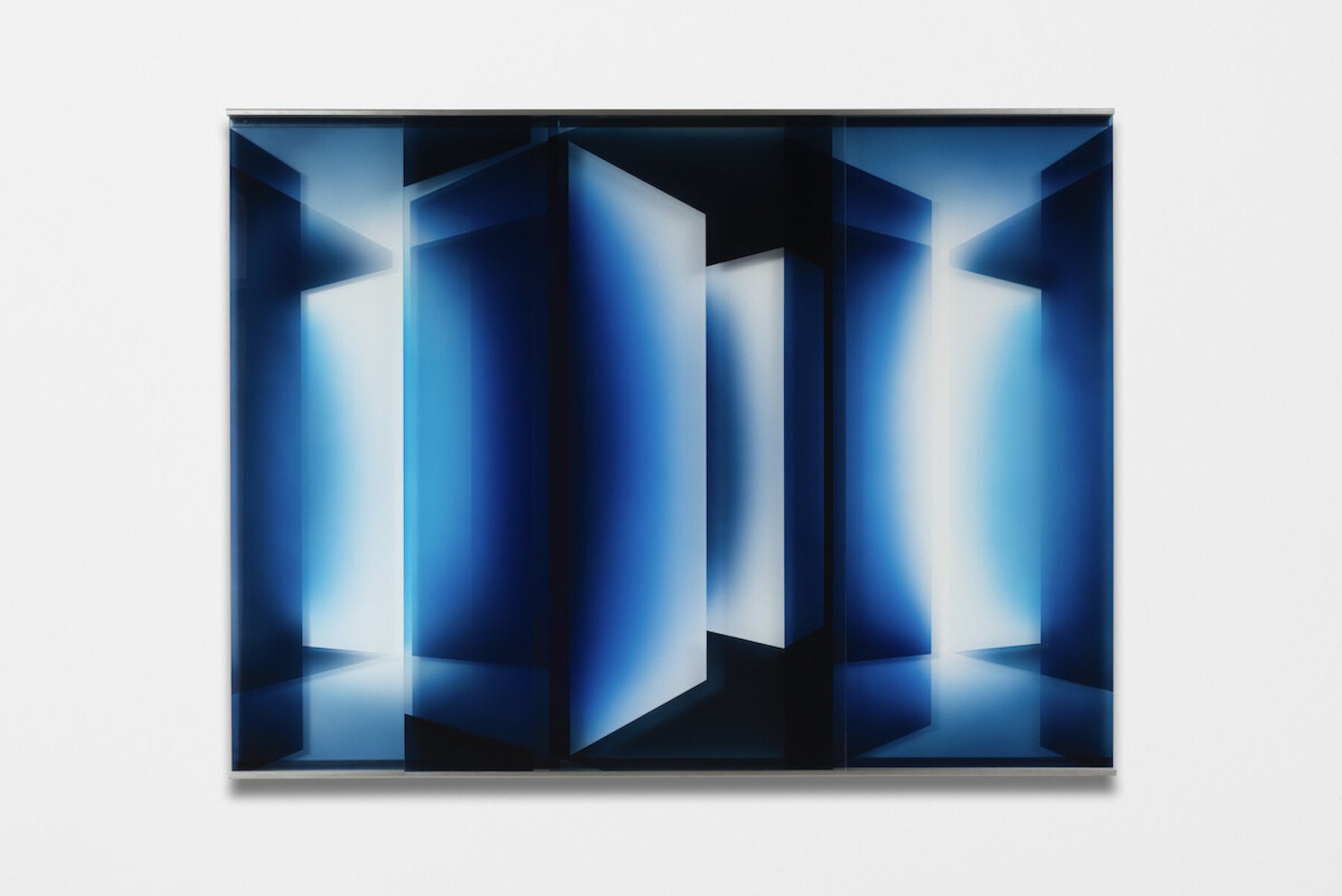
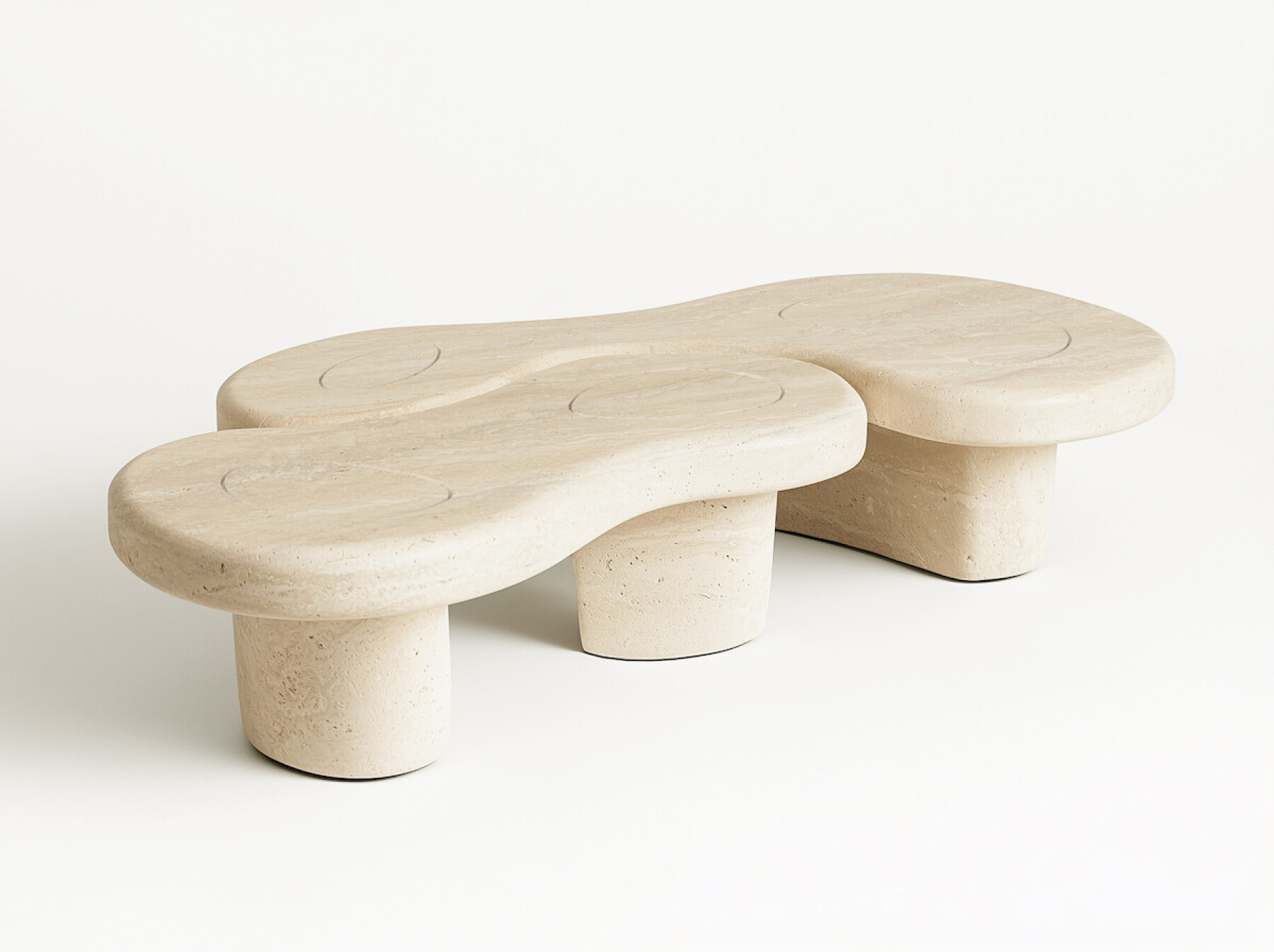
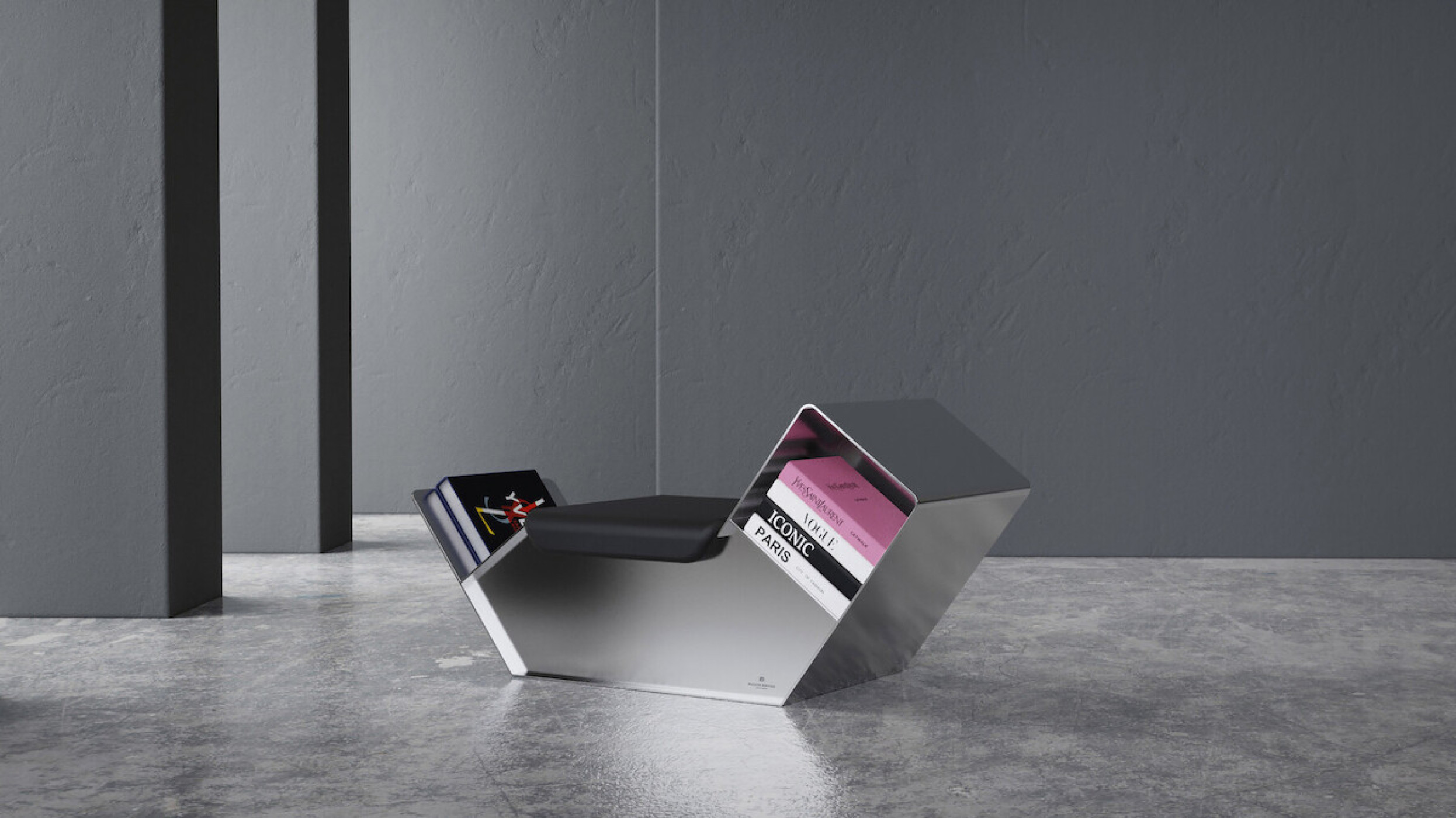
Art Paris 2026 does not seek to define the present moment. It resists clarity, resists resolution. Instead, it offers something far more compelling: a space where contradictions coexist, where meaning remains fluid, and where the future is not prescribed, but felt. And perhaps that is its true elegance—not in what it shows, but in what it allows us to sense.
Courtesy: Art Paris 2026
Text: Editorial team