
Subscribe
On The NewsSubscribe
confirmed Your subscription to our list has been confirmed.














Vennice Biennale 2026: Much ado about something
Every two years, the entire city of Venice transforms into the beating heart of the contemporary art world, filled with installations, national pavilions and exhibition spaces. Amid the noise, the spectacle and the impressive political turmoil, it was the art itself that screamed the loudest. A call to act, and to change, became the leitmotif of the 2026 edition of the Venice Biennale.
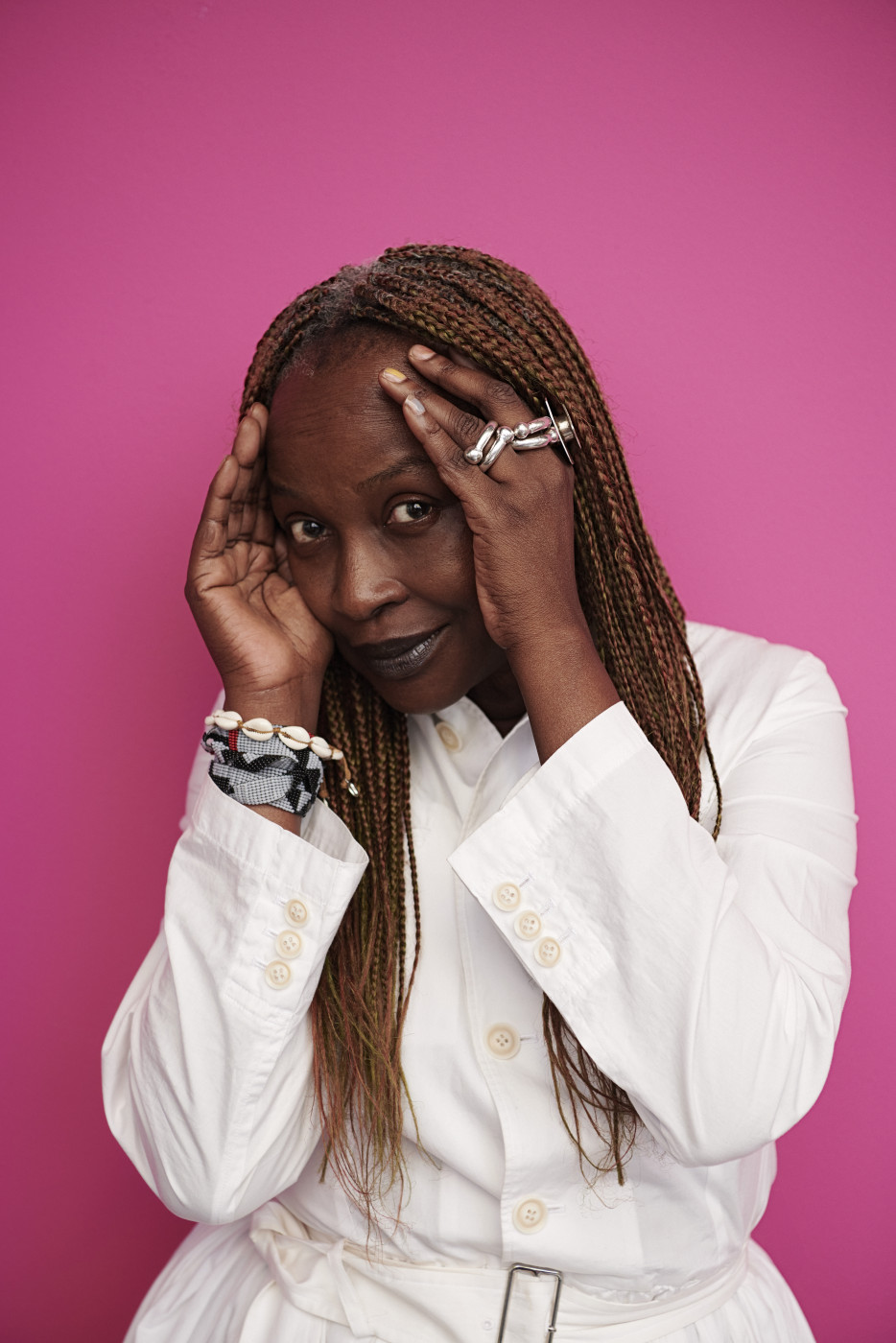
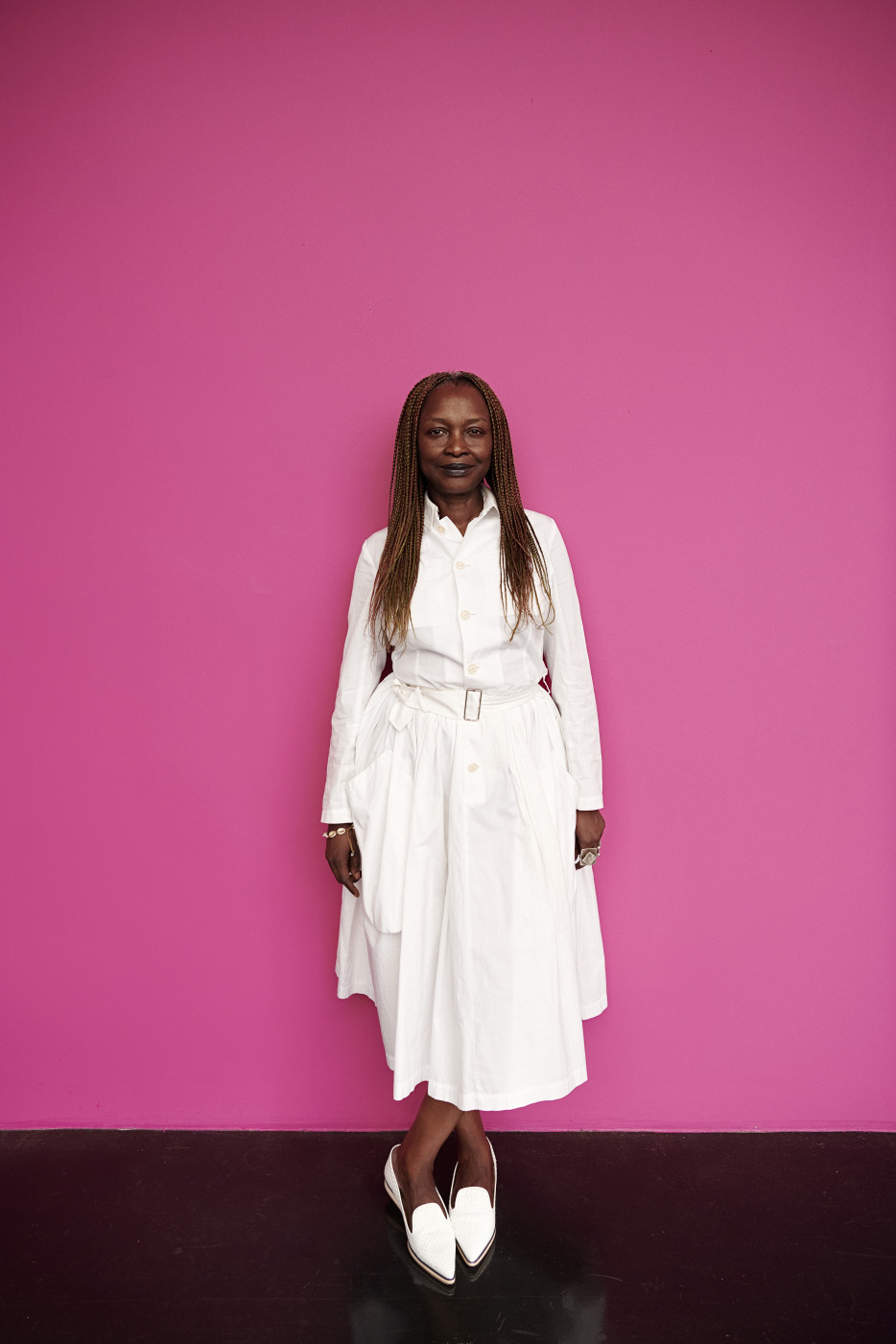
This year’s theme for the world’s oldest contemporary art biennale, In Minor Keys, borrowed a beautiful metaphor from classical music, inviting the 111 participating artists in the Arsenale to slow down, listen and reflect, to tune into the frequencies of the minor keys in order to focus on introspection and emotional depth, and ultimately rediscover what is essential. The exhibition became a space for solidarity and artistic exchange. The idea belonged to Koyo Kouoh, the first African curator ever appointed to lead the Biennale, who passed away from cancer a year ago, halfway through preparations. It was therefore her team who completed the exhibition in her honour. During the opening conference, one of her closest collaborators, Rasha Salti, delivered a deeply moving speech: “We were left in her absence looking for her presence. Working on her dream.” In many ways, it was precisely her absence that made her values feel even more present.
The Biennale unfolded against the backdrop of political battles surrounding the participation of Russia and Israel, jury members stepping down, and numerous protests led by both artists and the Venetian public. Art, after all, rarely exists without politics. Yet through all the noise, many works still managed to break through and make us, if not act, at least feel something.
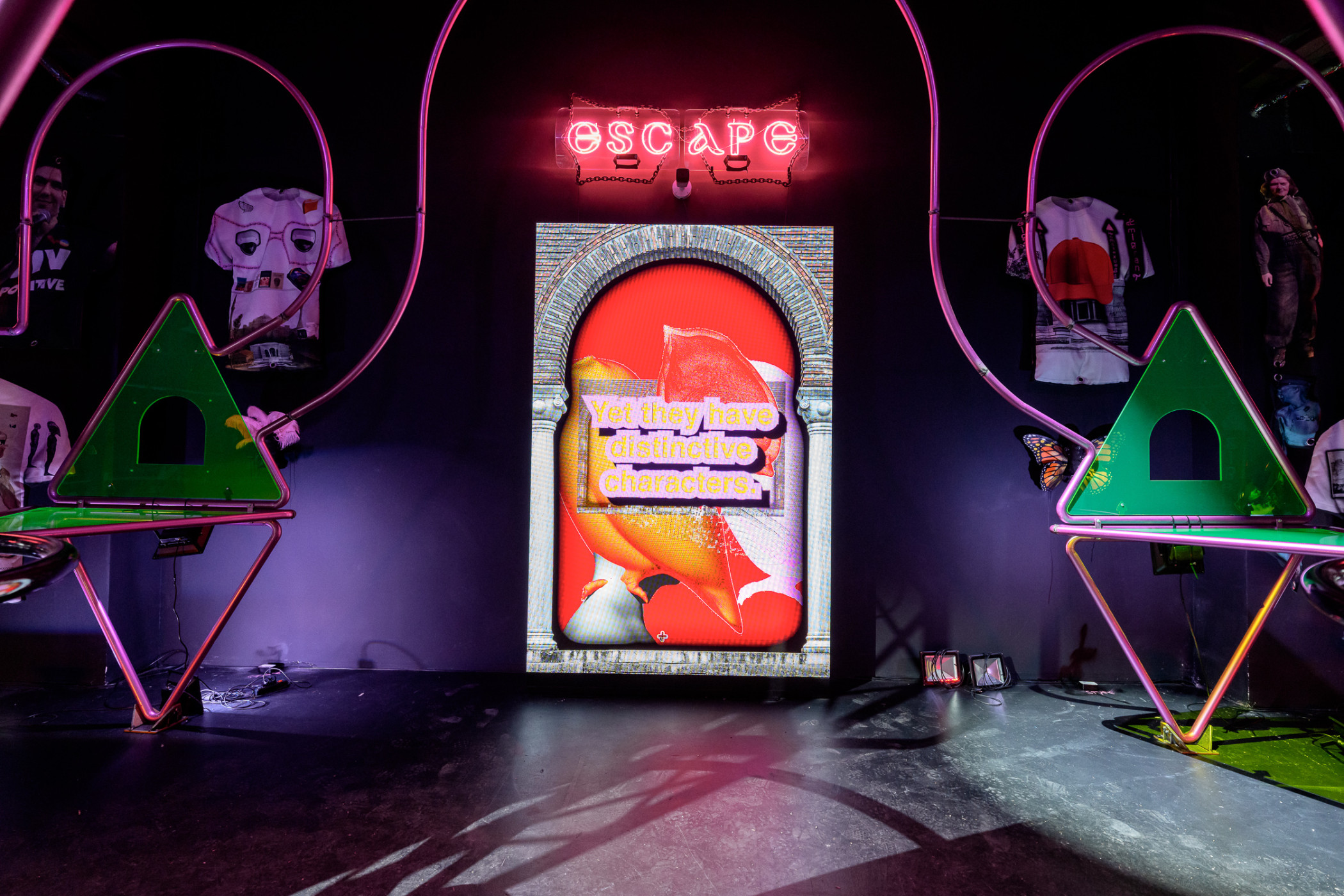
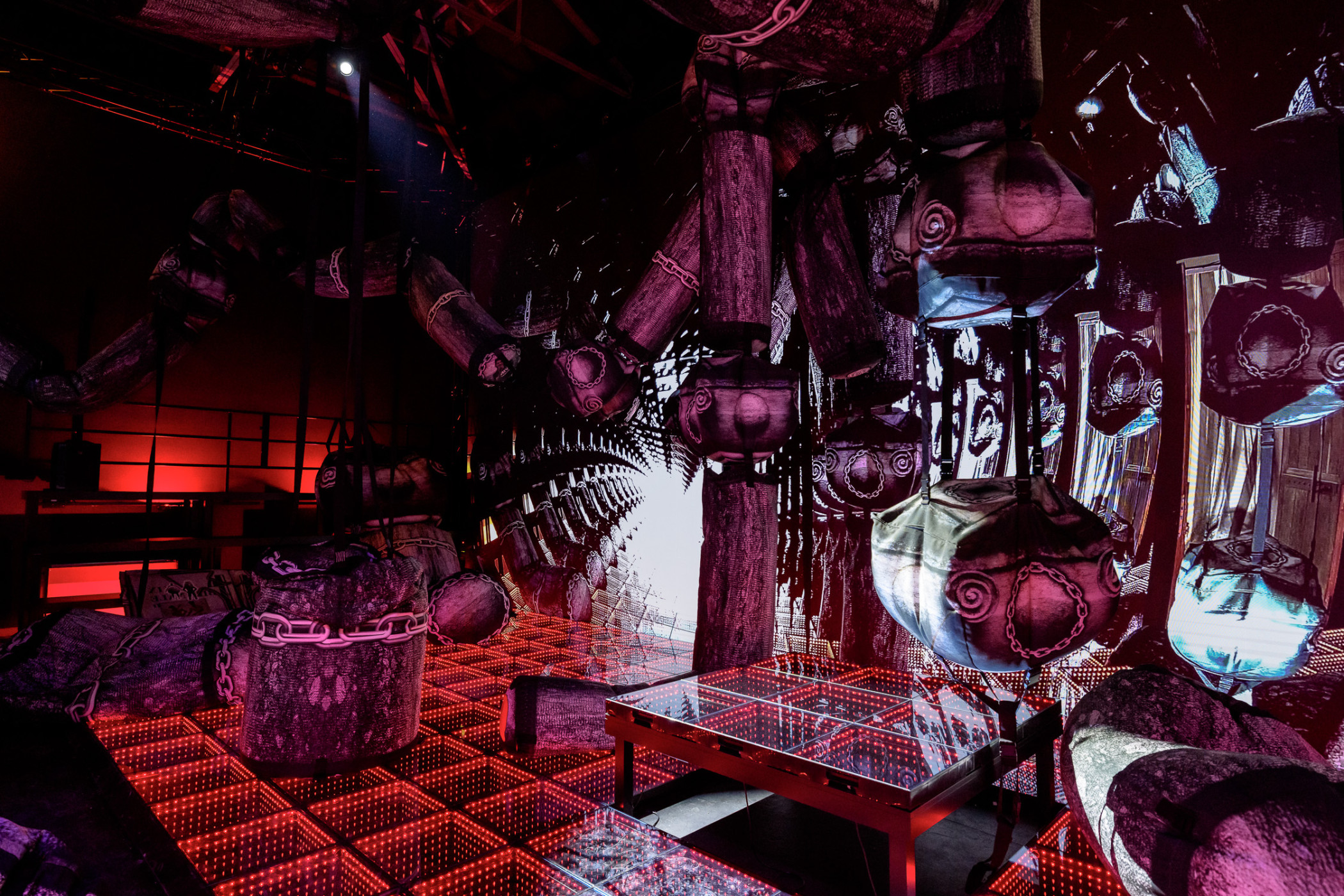
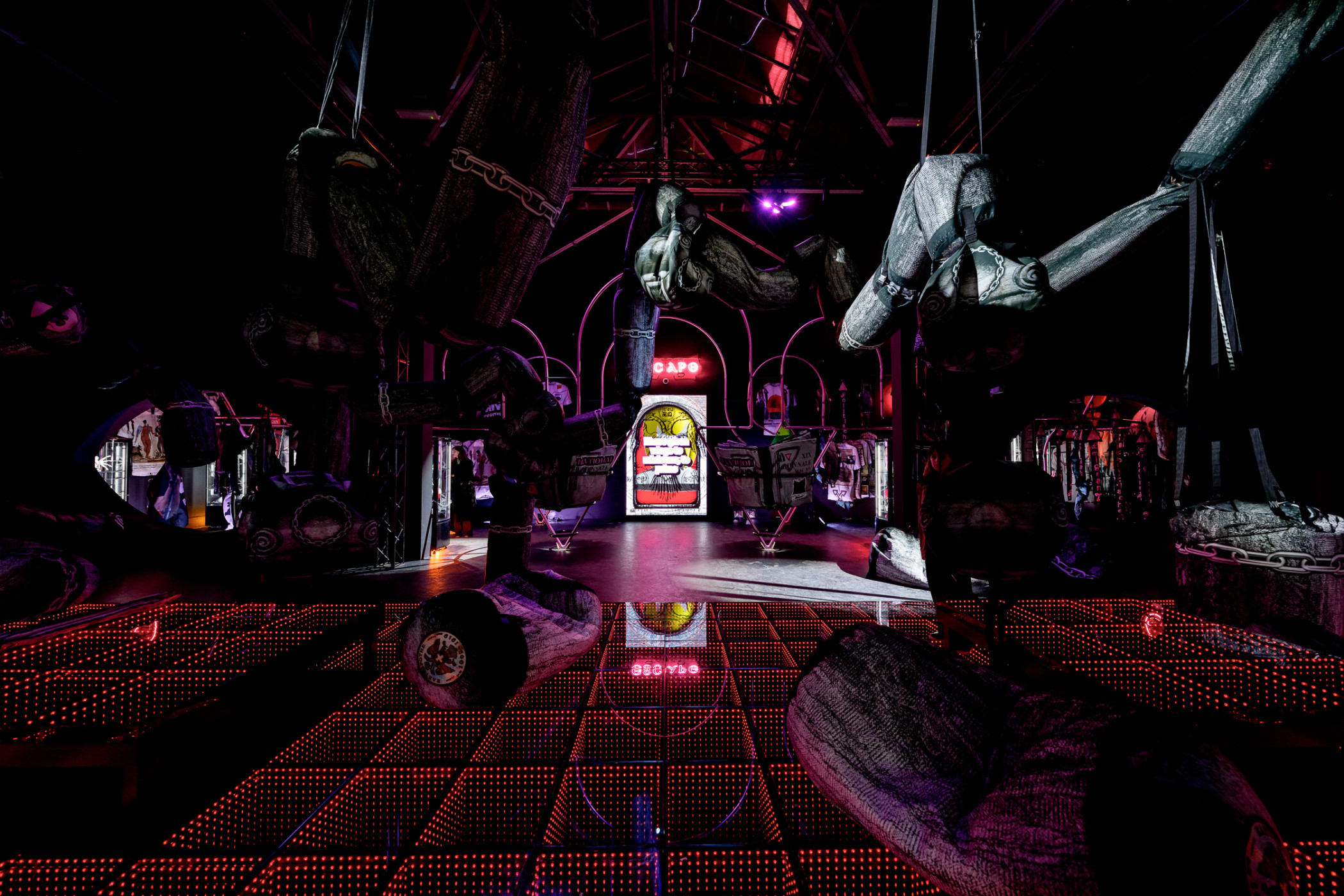
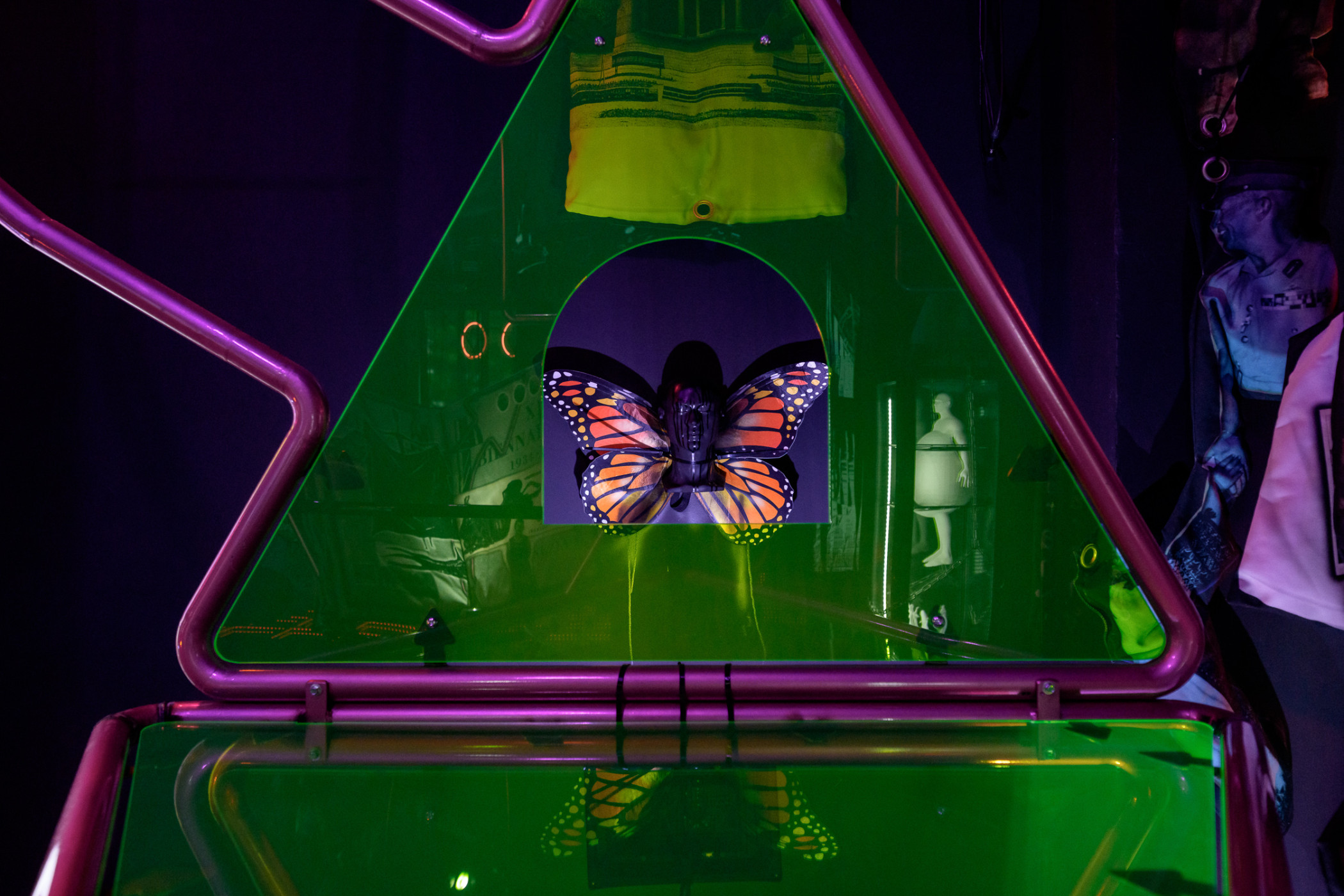
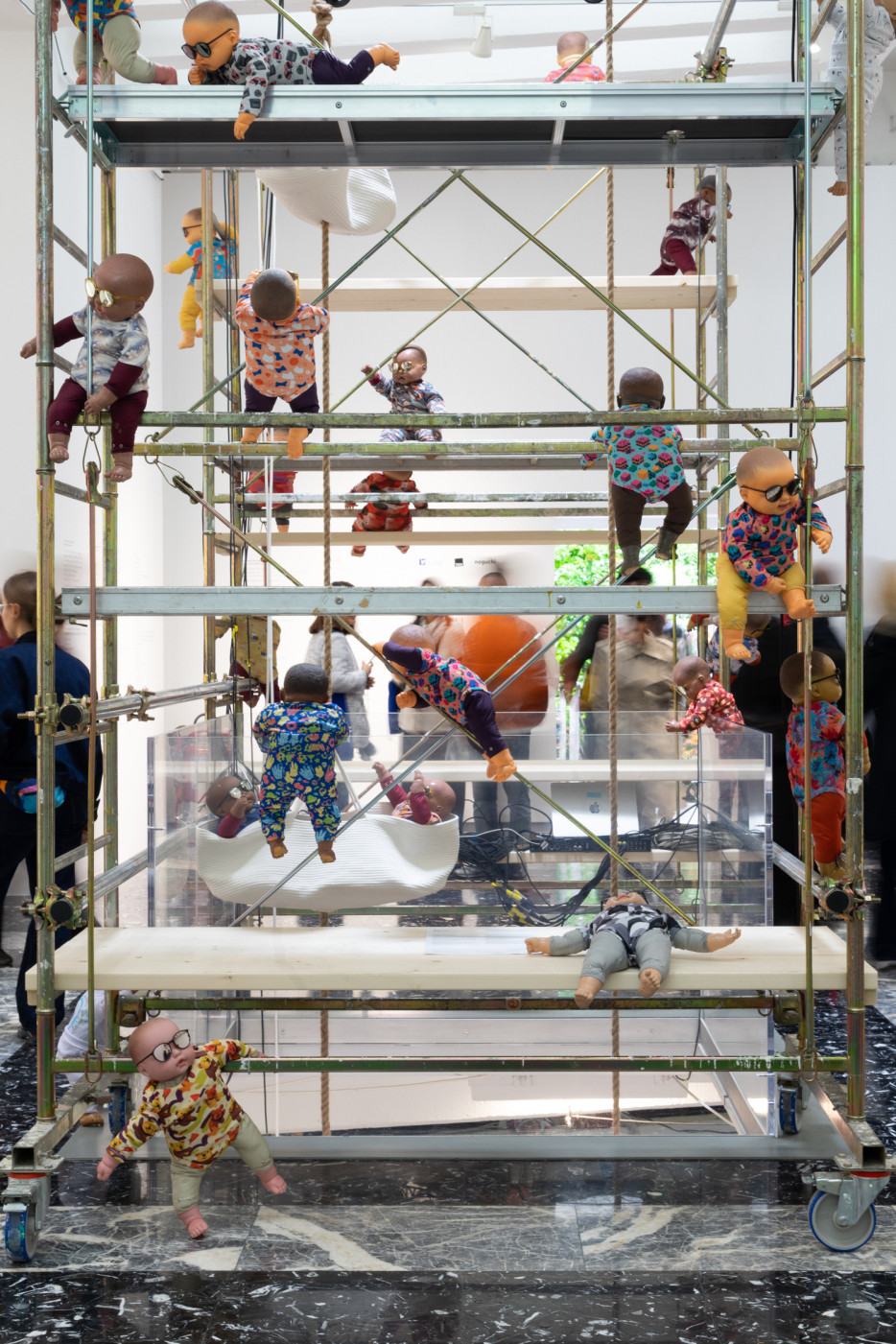
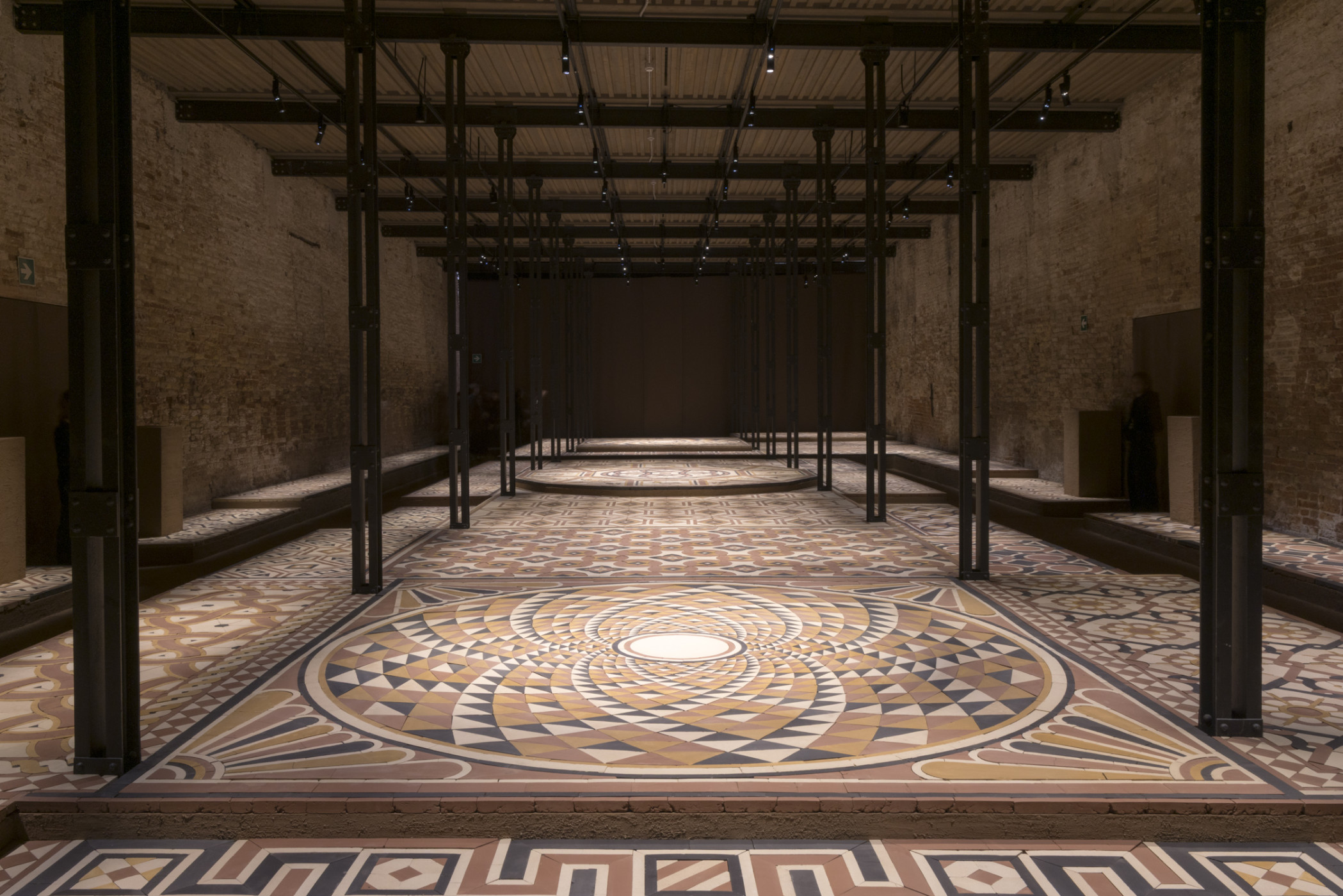
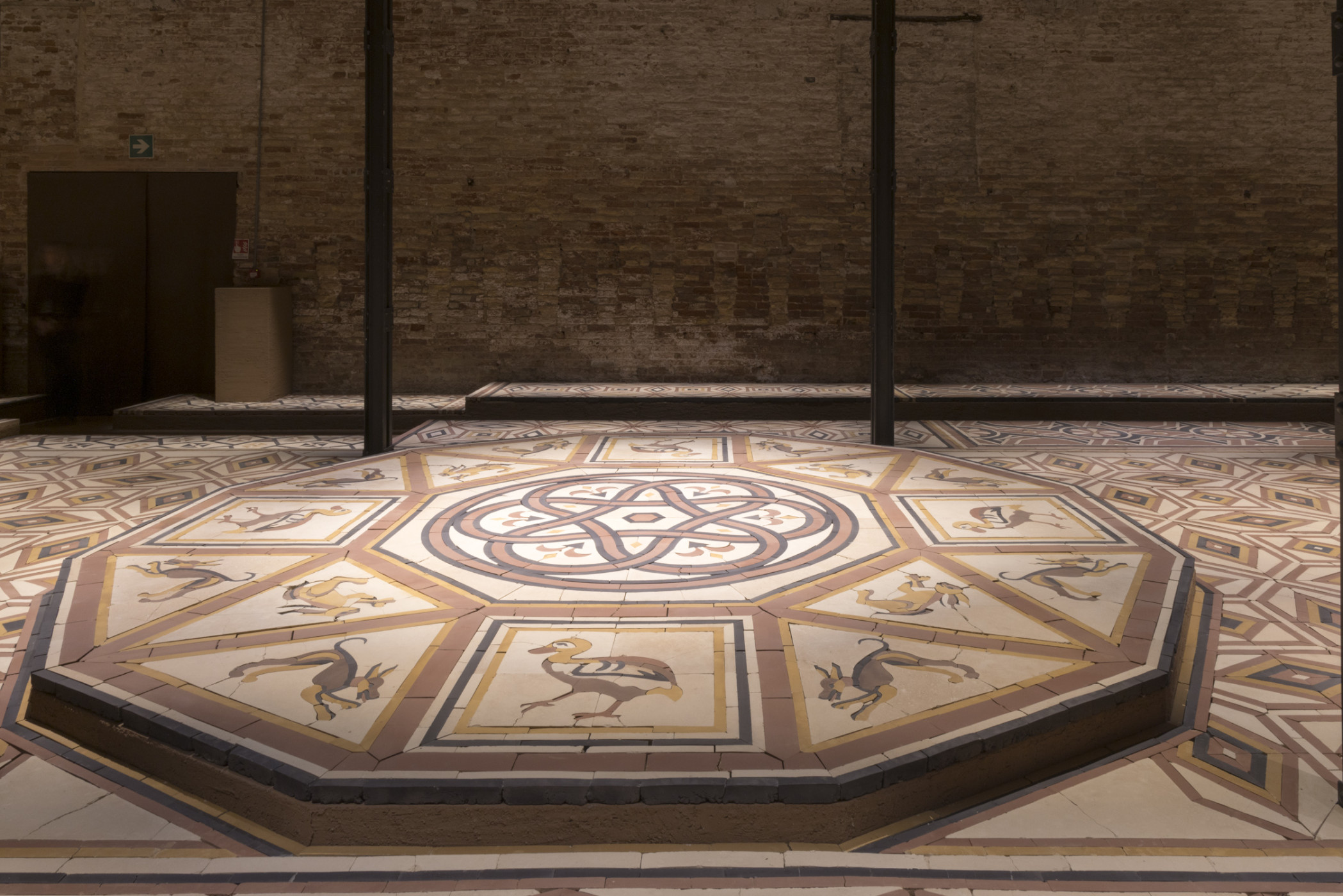
Take Florentina Holzinger, who suspended herself upside down while ringing a bell, sounding an alarm for immediate action: we need to act now if we are to save the world from ecological catastrophe. At the Greek Pavilion, Andreas Angelidakis presented Escape Room, an immersive installation inspired by Plato’s cave and the commercialisation of escapism, calling out the myth-making machinery of nation-building in the era of post-truth politics. Other striking examples included the Japanese Pavilion, where Ai Arakawa-Nash invited visitors to walk through the exhibition carrying a baby doll, a radical yet playful gesture drawing attention to the fertility crisis and questioning what future generations will inherit in a world marked by instability and perpetual political crisis. Meanwhile, Dana Awartani transformed the Saudi Arabian Pavilion into a whimsical archaeological site of fragile vintage mosaics that crack slowly under the pressure of time and our steps, just like the world we live in.
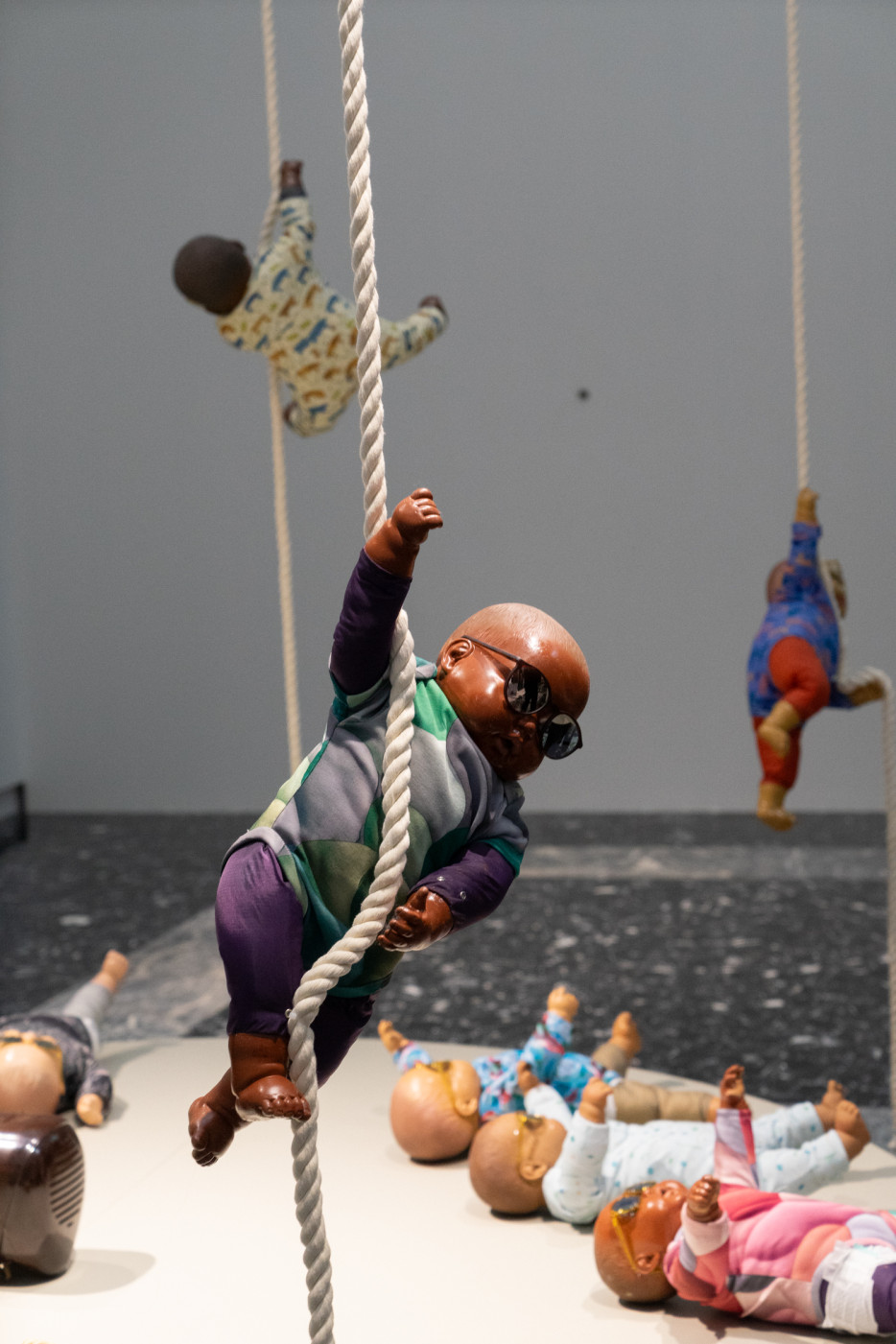
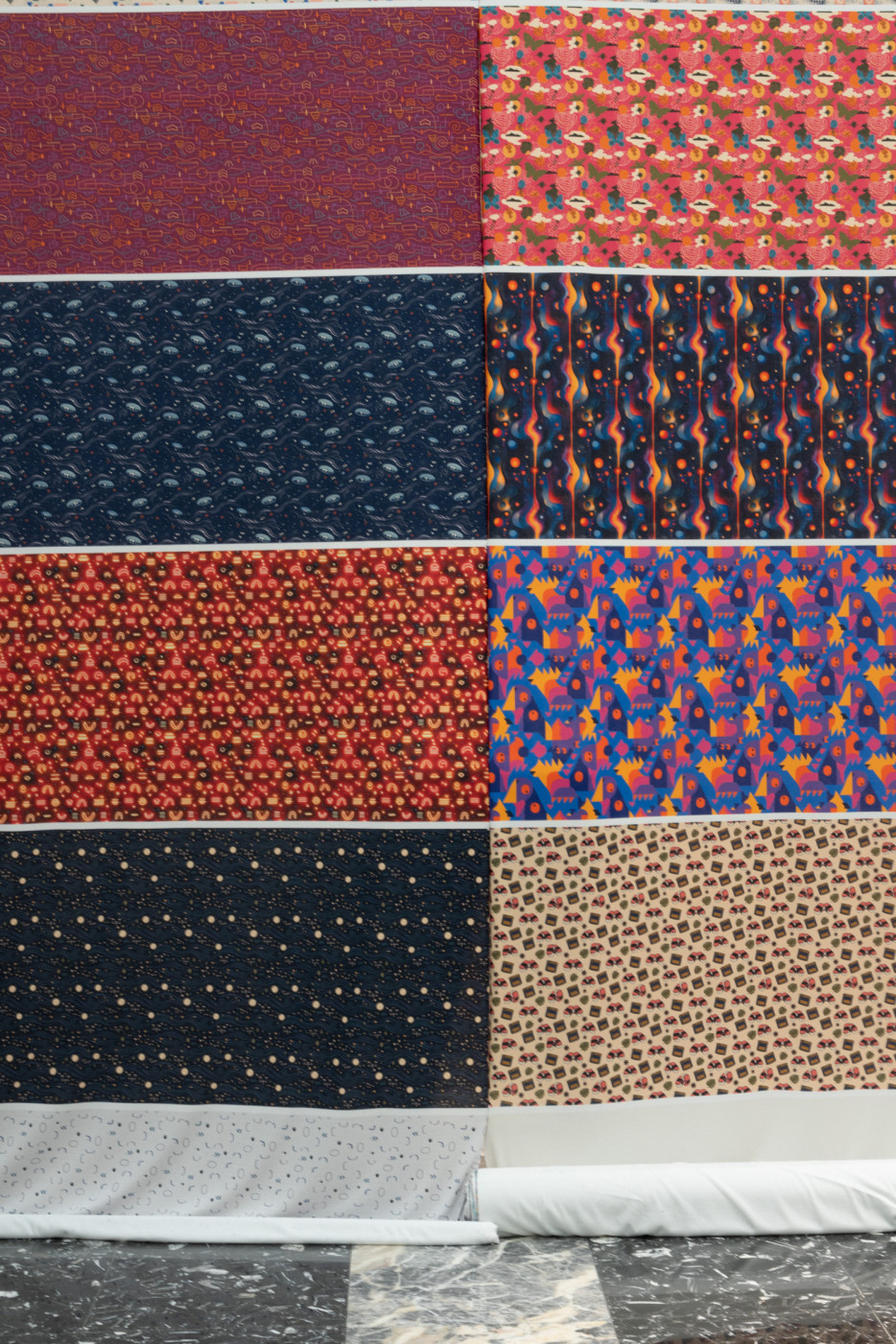
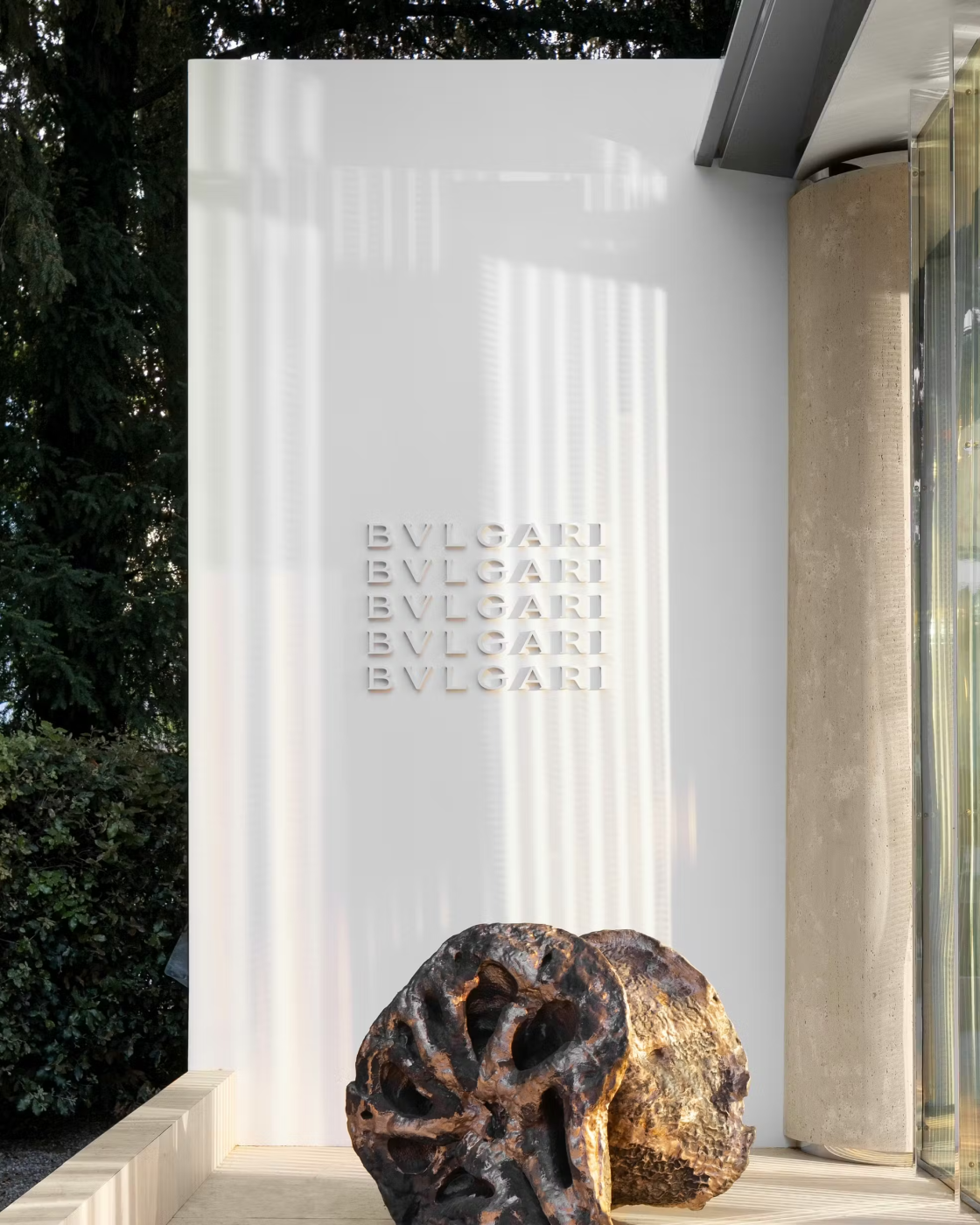
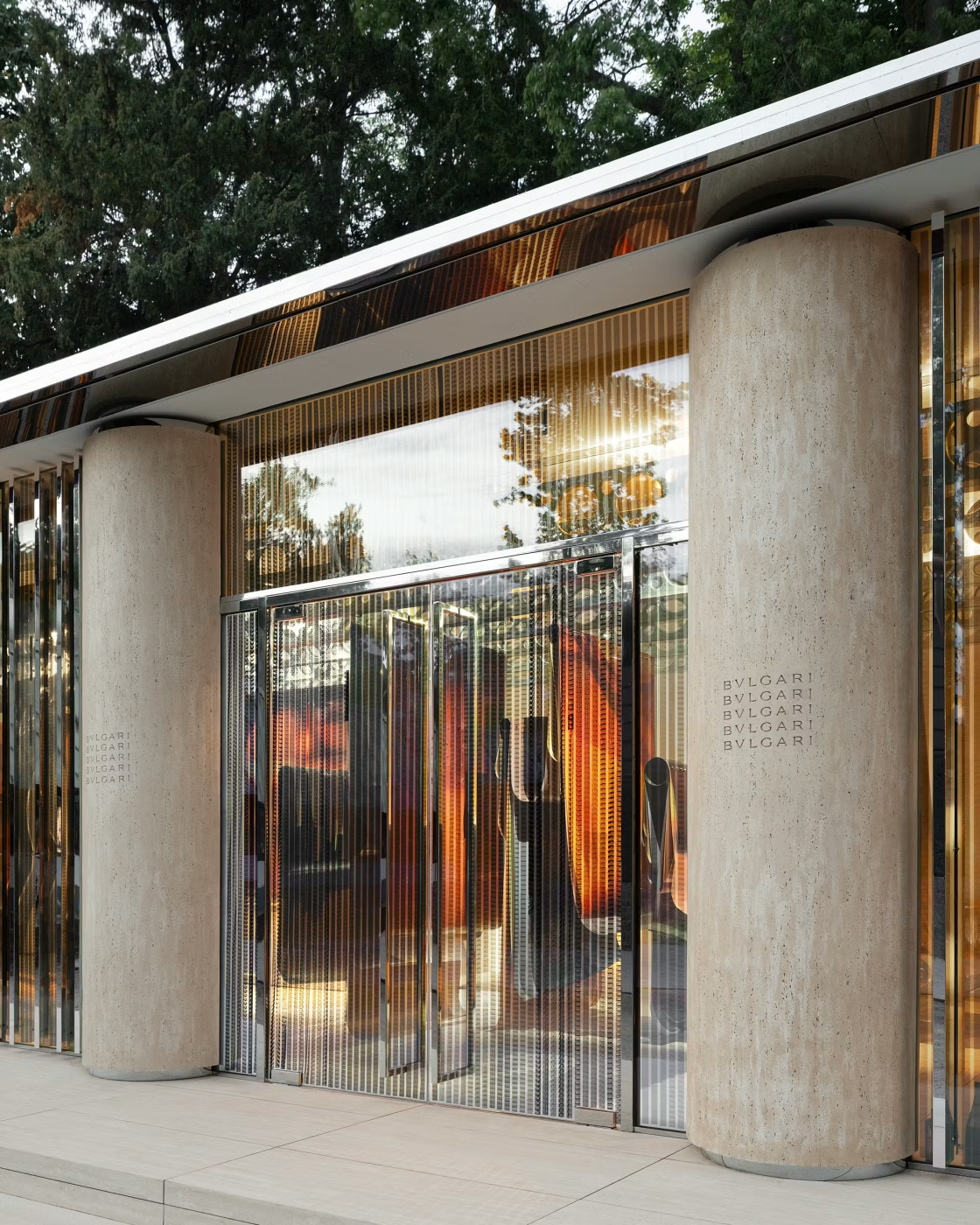
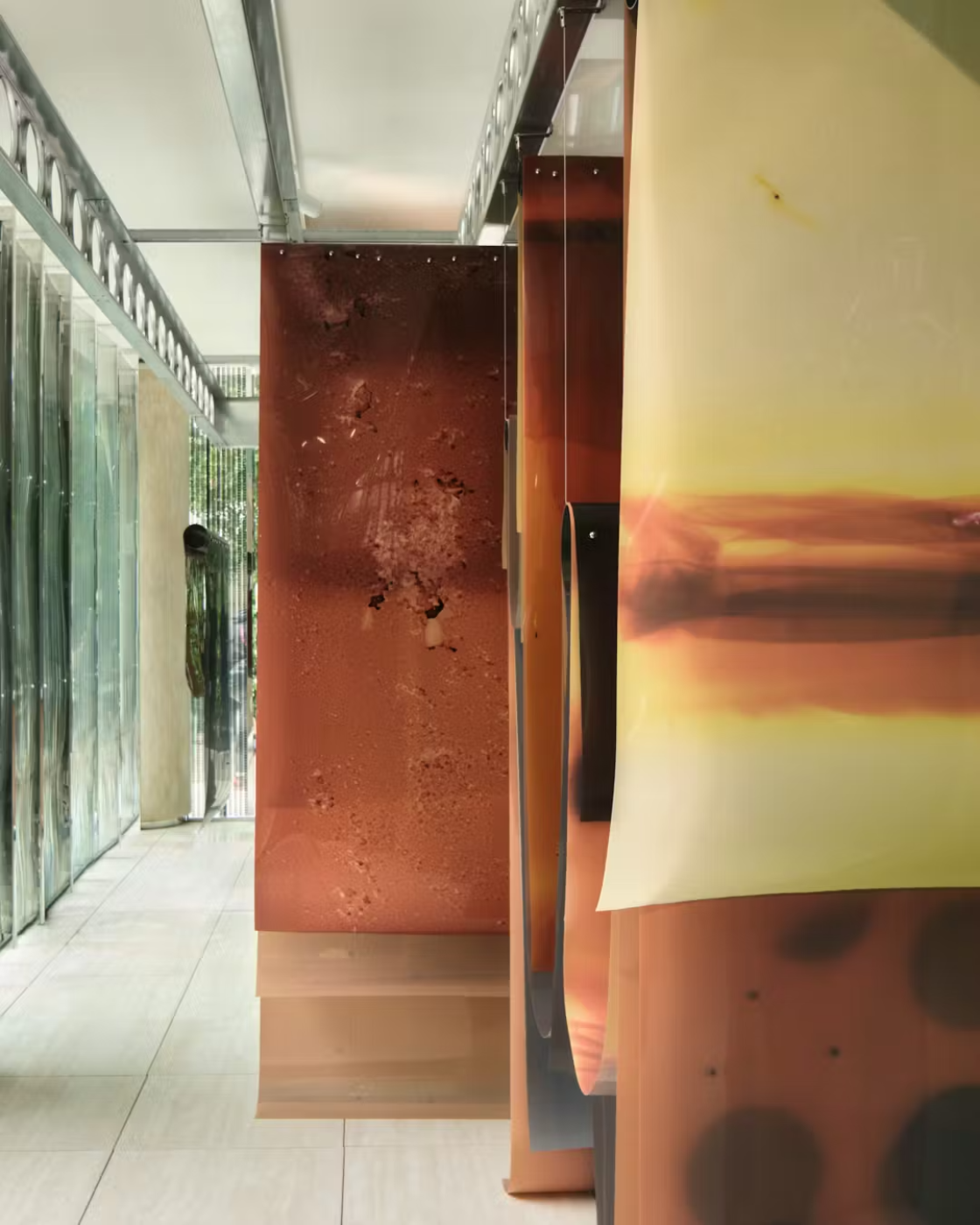
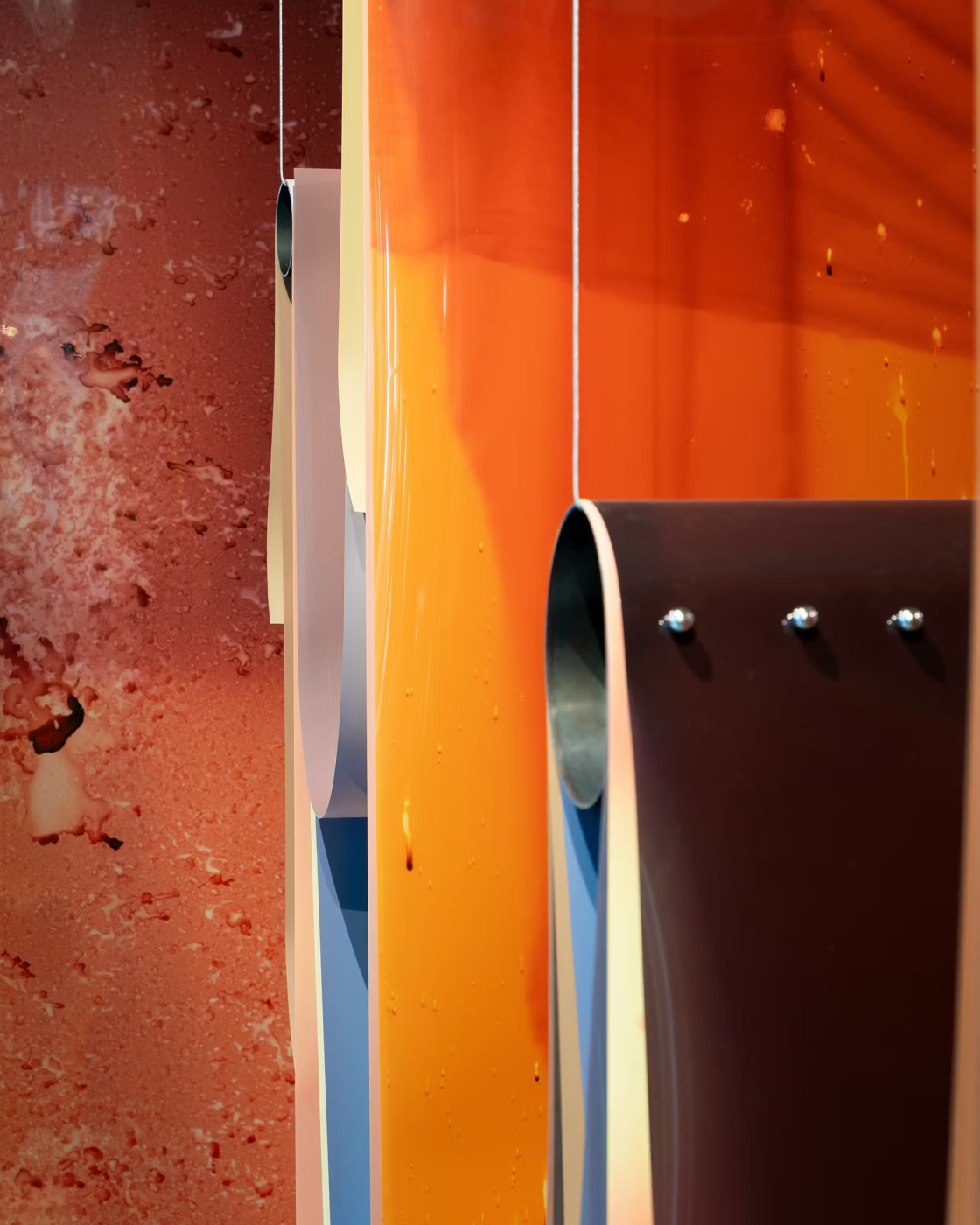
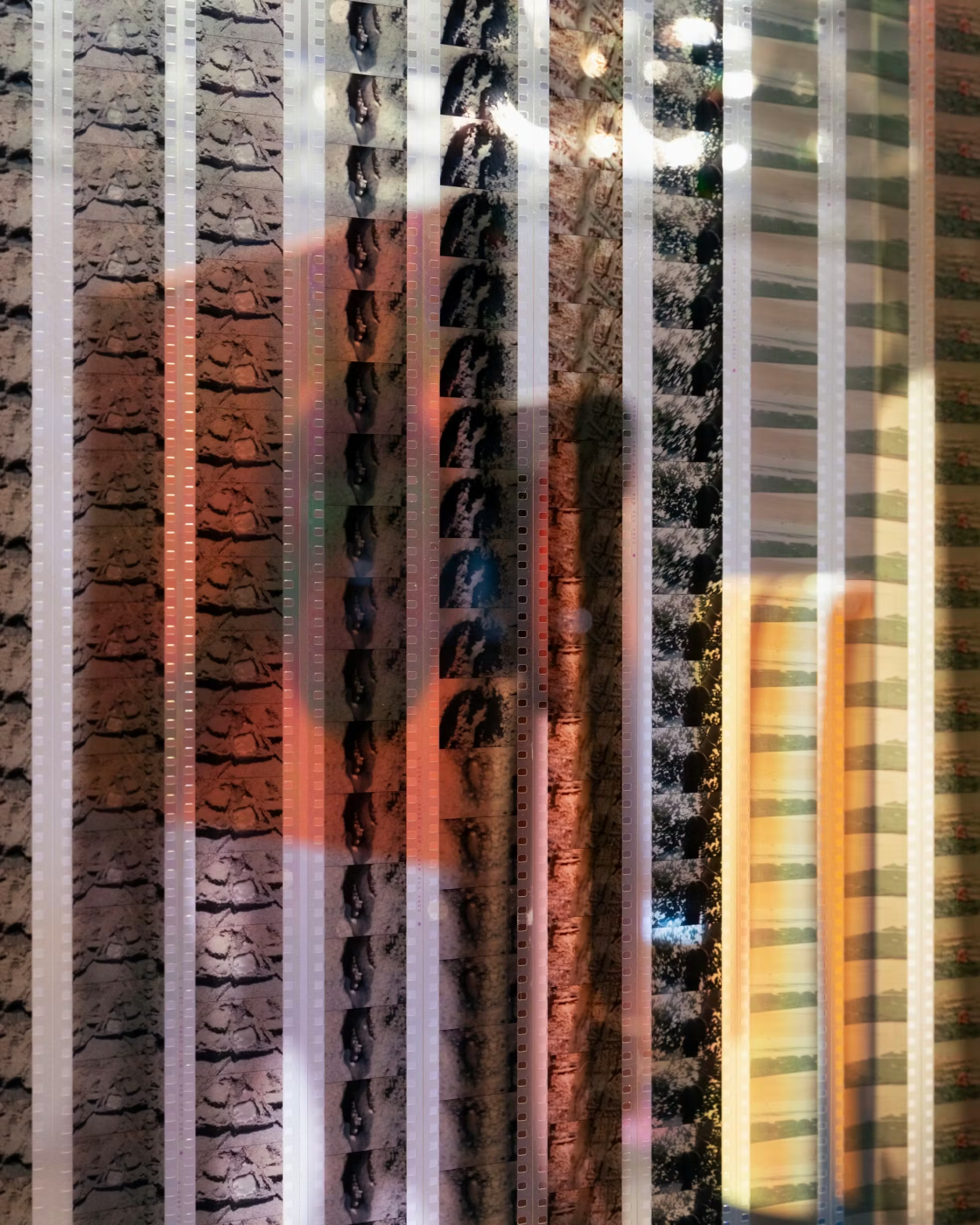
This year, Bvlgari became an exclusive partner of the Biennale for the next three editions, through 2030. The jewellery house has given carte blanche to Canadian artist of Korean descent Lotus L. Kang, who presented a poetic installation composed of metres of photographic film titled The Face of Desire Is Loss. The artist explores the idea of disappearance: just as the film slowly fades under exposure to sunlight throughout the Biennale, so do we fade with time, before, ultimately, being reborn through death itself.
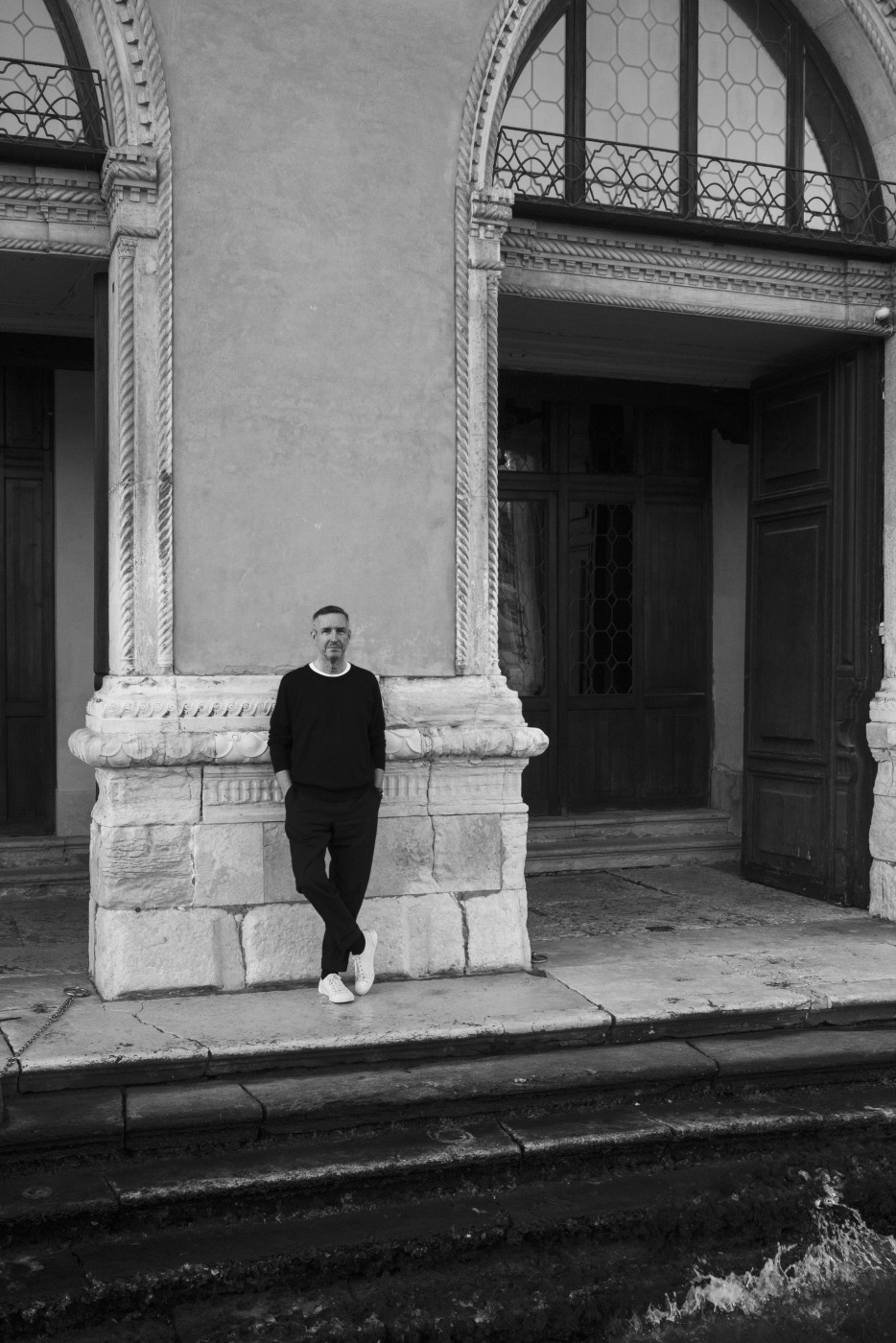
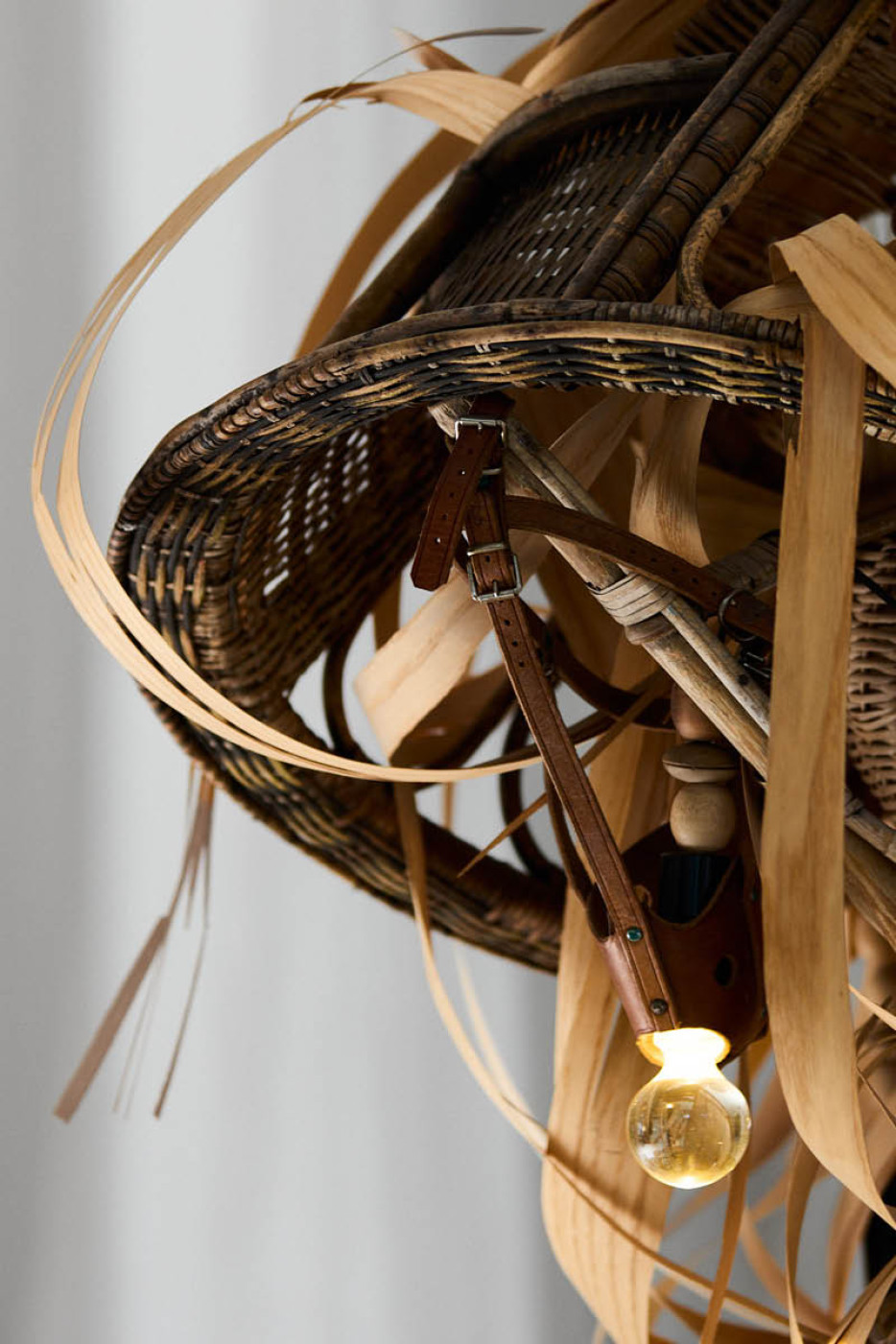
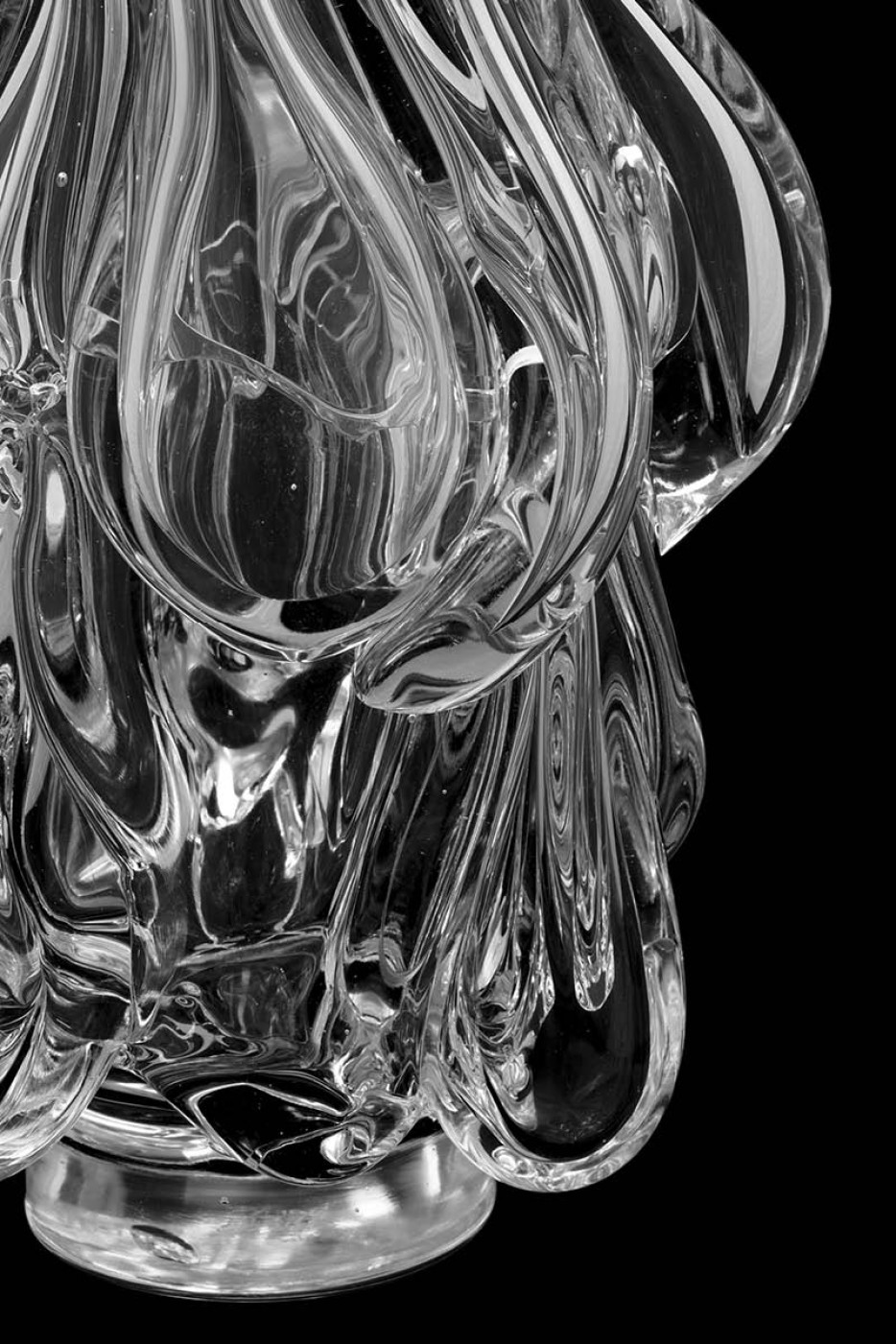
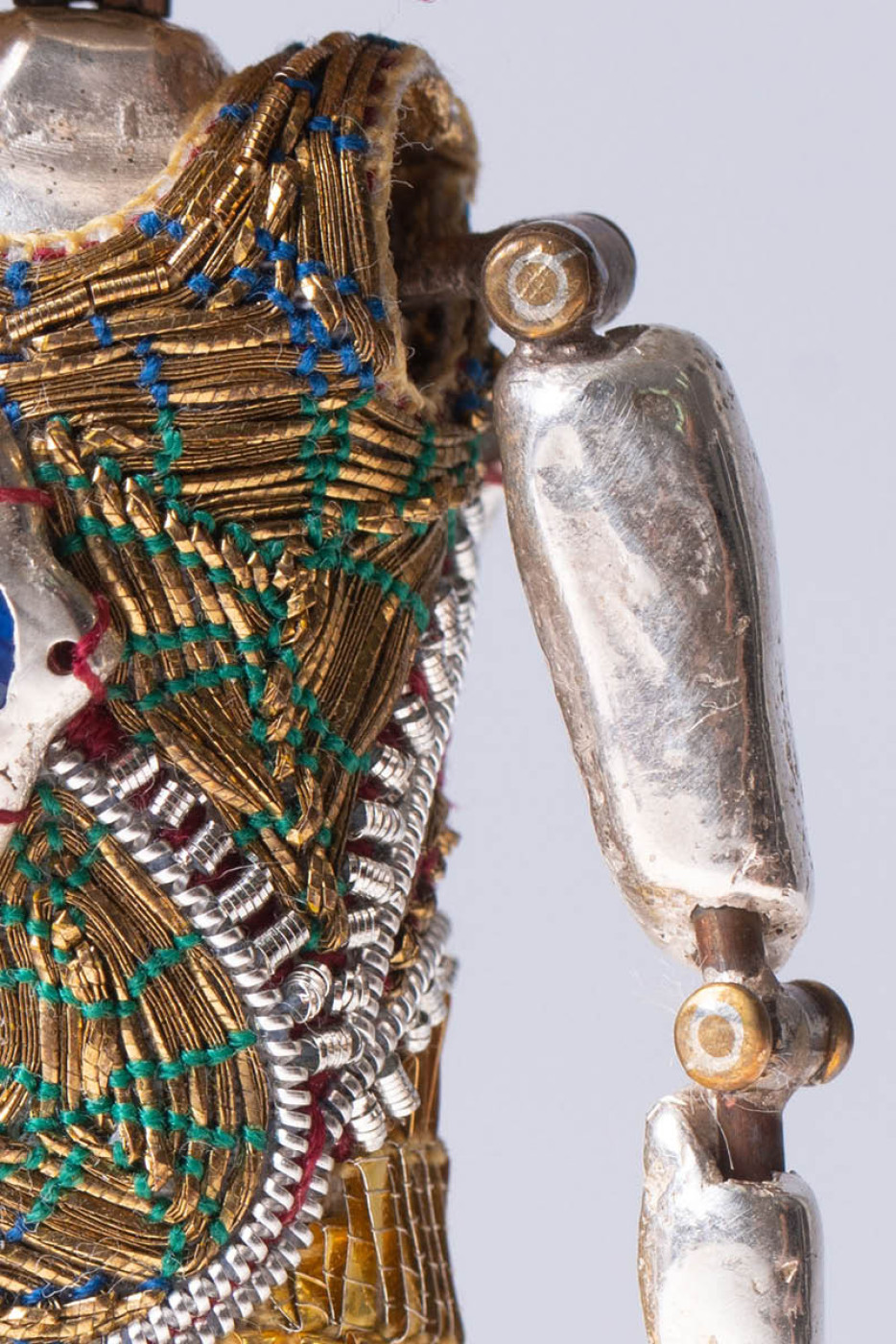
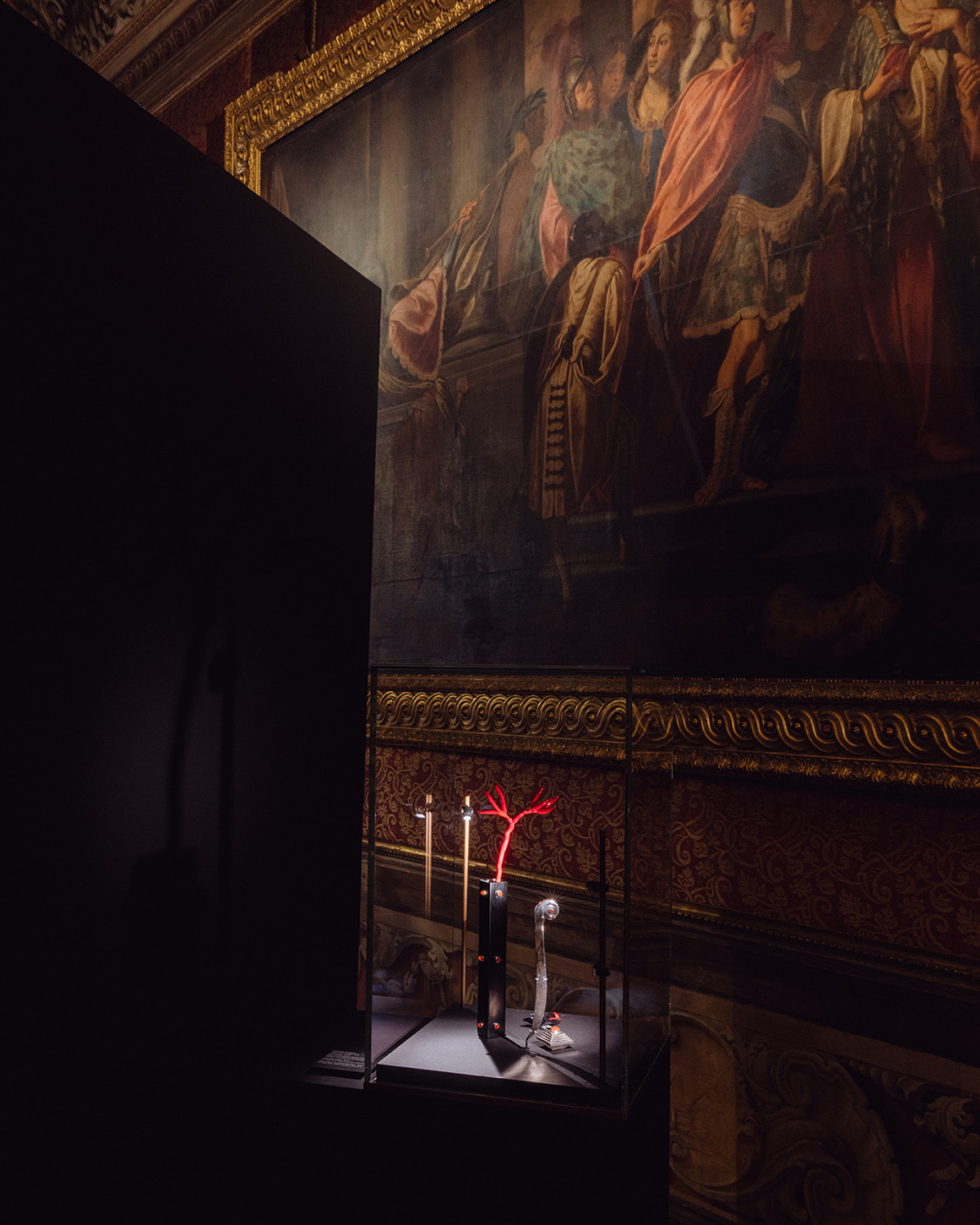
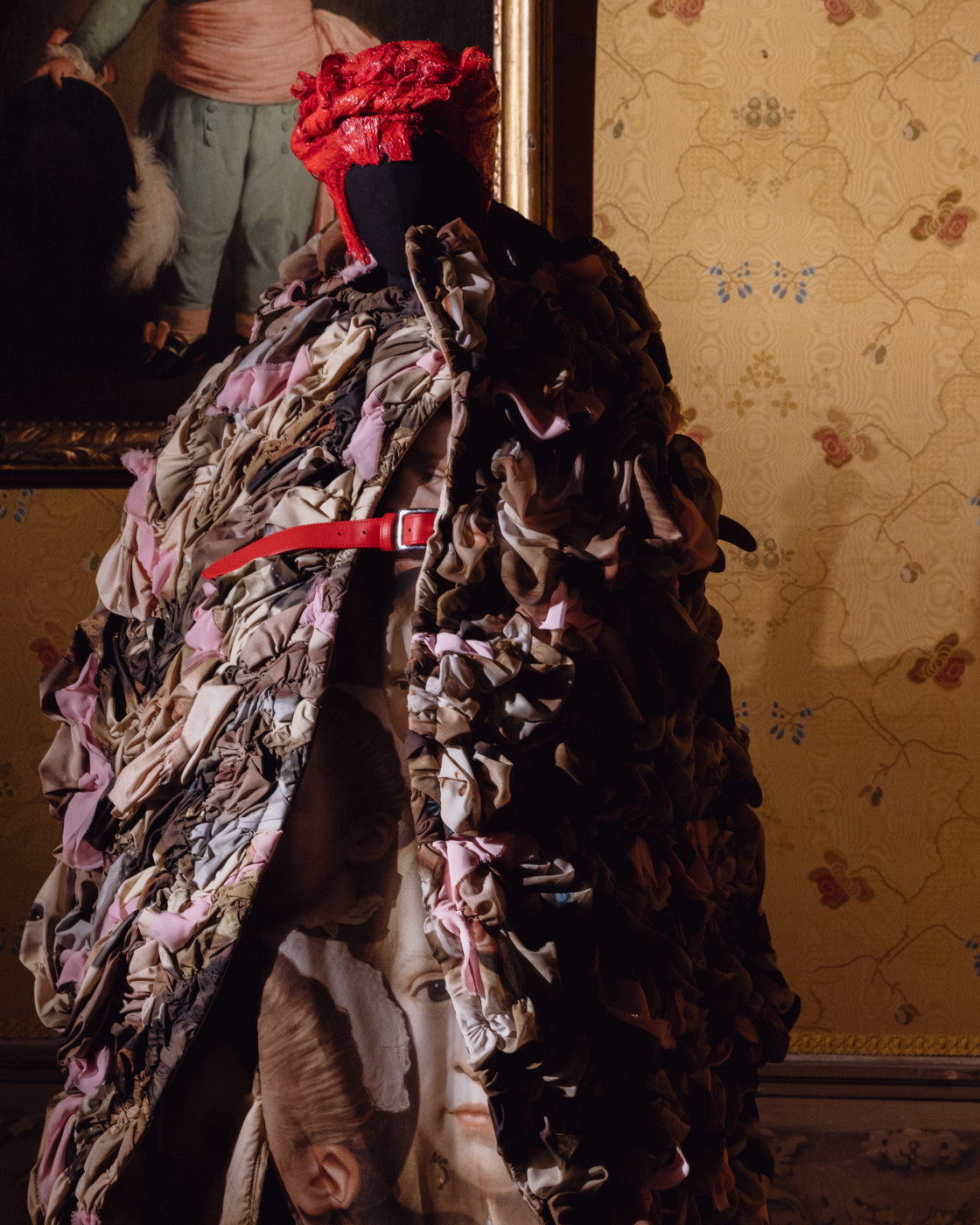
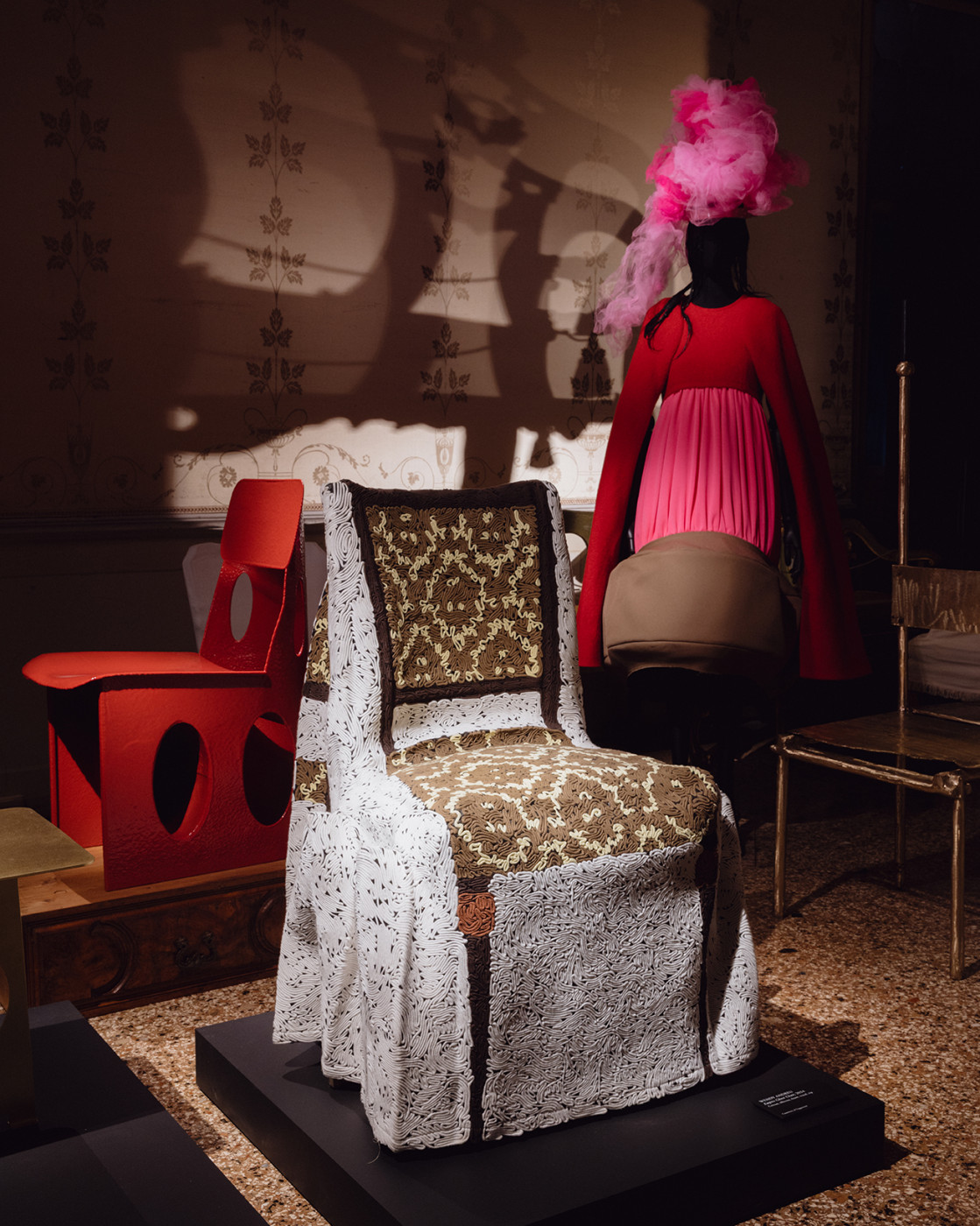
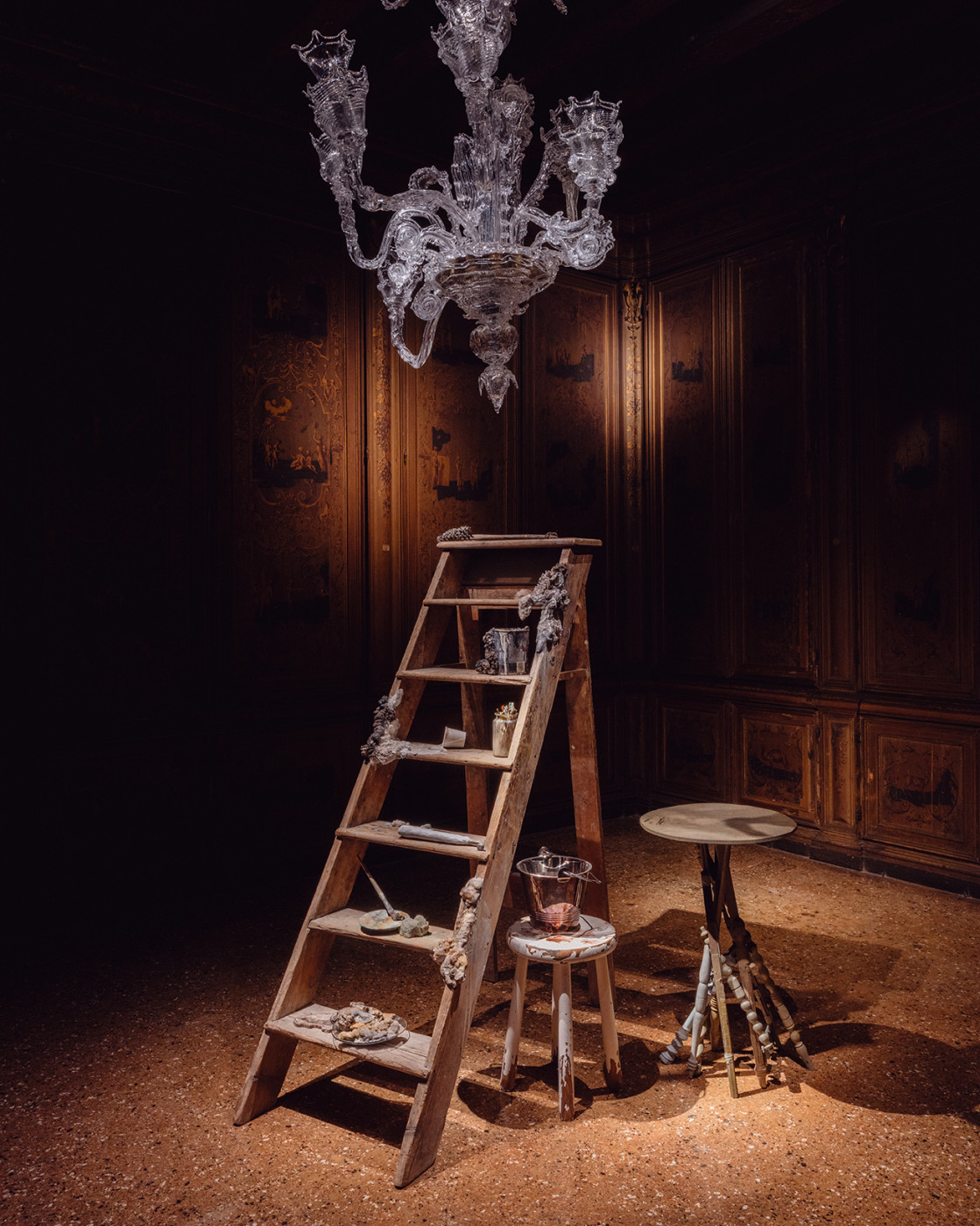
The satellite exhibitions across the city only added to the Biennale’s resonance: from Anish Kapoor at Palazzo Manfrin to Lee Ufan at SMAC Venice and Erwin Wurm at Museo Fortuny. But perhaps the most powerful intervention came from Dries Van Noten, best known for his namesake fashion label, it’s the first time he takes up a new role of a curator. For his exhibition at Palazzo Pisani Moretta on the Grand Canal, he chose a deceptively simple yet potent theme: The Only True Protest is Beauty. A beauty that burns into your eyes. That screams, provokes and entangles you. Like all great art, it possesses the power to unite us, to make us think, and, perhaps more importantly, to force us to stop and truly look at the world around us with our own eyes. And maybe, in doing so, glimpse a sliver of hope. That hope could be found in Higher Power by British artist Chris Levine, who used a military-grade laser to project a green beam of light across Venice during the Biennale’s opening week. “This work is about collectively looking up, and going deep inside,” Levine explained. “If a work can induce a brief meditative state in my audience, it’s creating peace in this world of increasing uncertainty.”
Venice Biennale runs until November 22.
Courtesy: La Biennale di Venezia
Text: Lidia Ageeva