
Subscribe
On The NewsSubscribe
confirmed Your subscription to our list has been confirmed.



















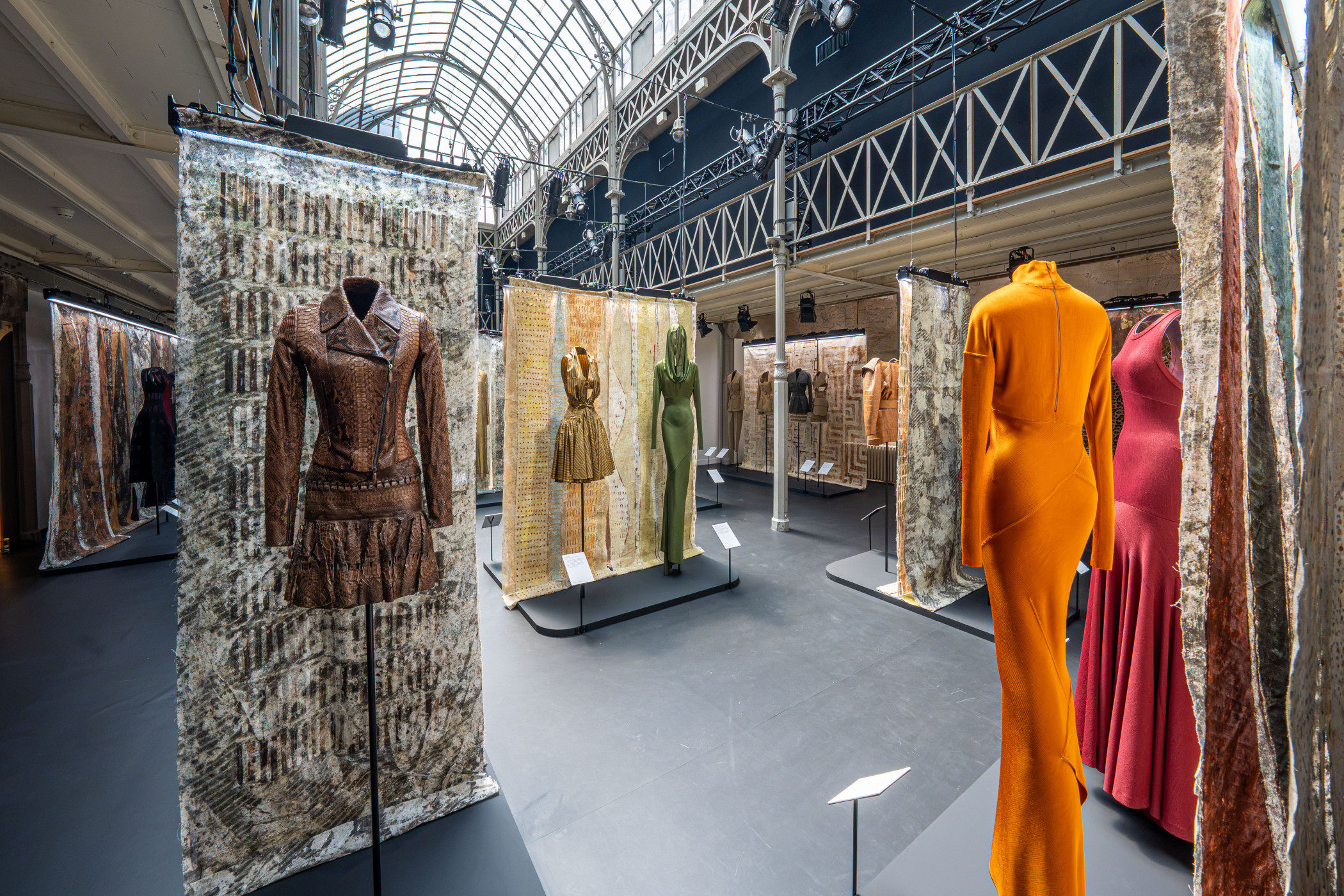
AZZEDINE ALAÏA AND AFRICA: Inside the Exhibition Exploring the Continent That Never Left His Imagination
Some places never leave us. They remain in the way we remember light, understand colour and see the world. For Azzedine Alaïa, Africa was one of them.
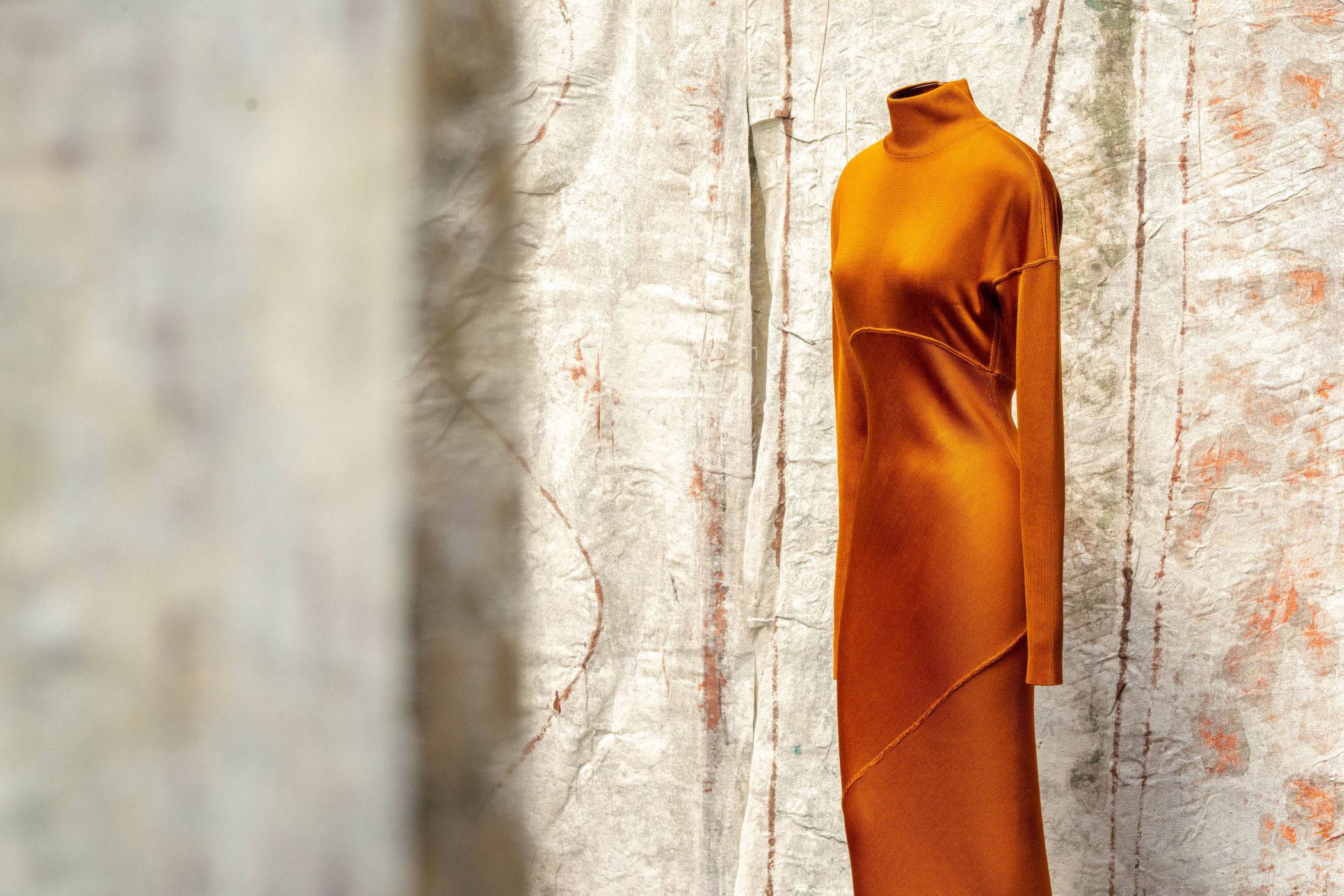
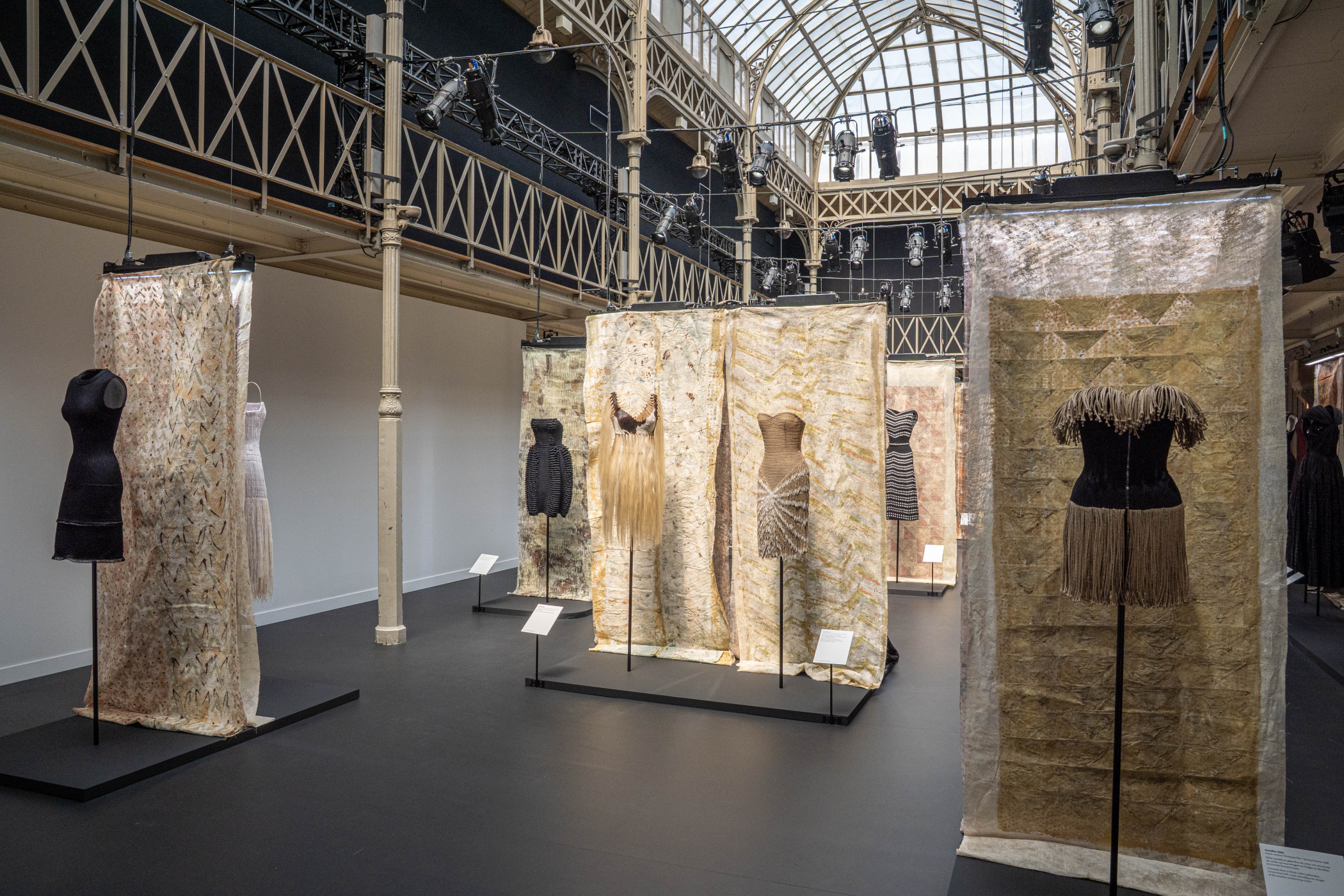
He left Tunisia at a young age and built his life and career in Paris, becoming one of the most influential couturiers of his generation. Yet Africa remained a constant presence in his imagination. Sometimes it appeared explicitly, through raffia, cowrie shells and the colours of the landscape. At other times, it was hidden in the architecture of a silhouette, the movement of fabric or the intensity of black and white.
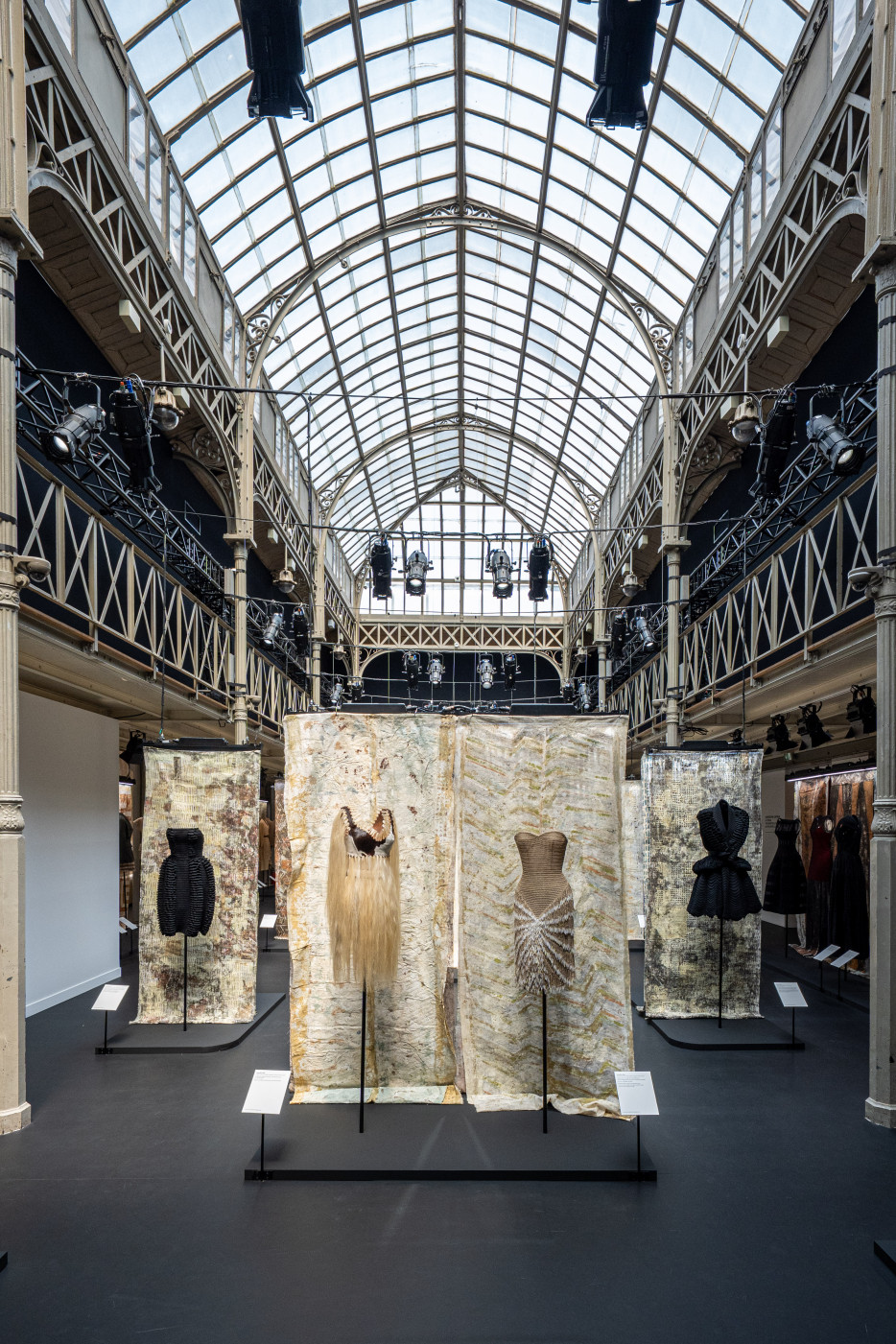
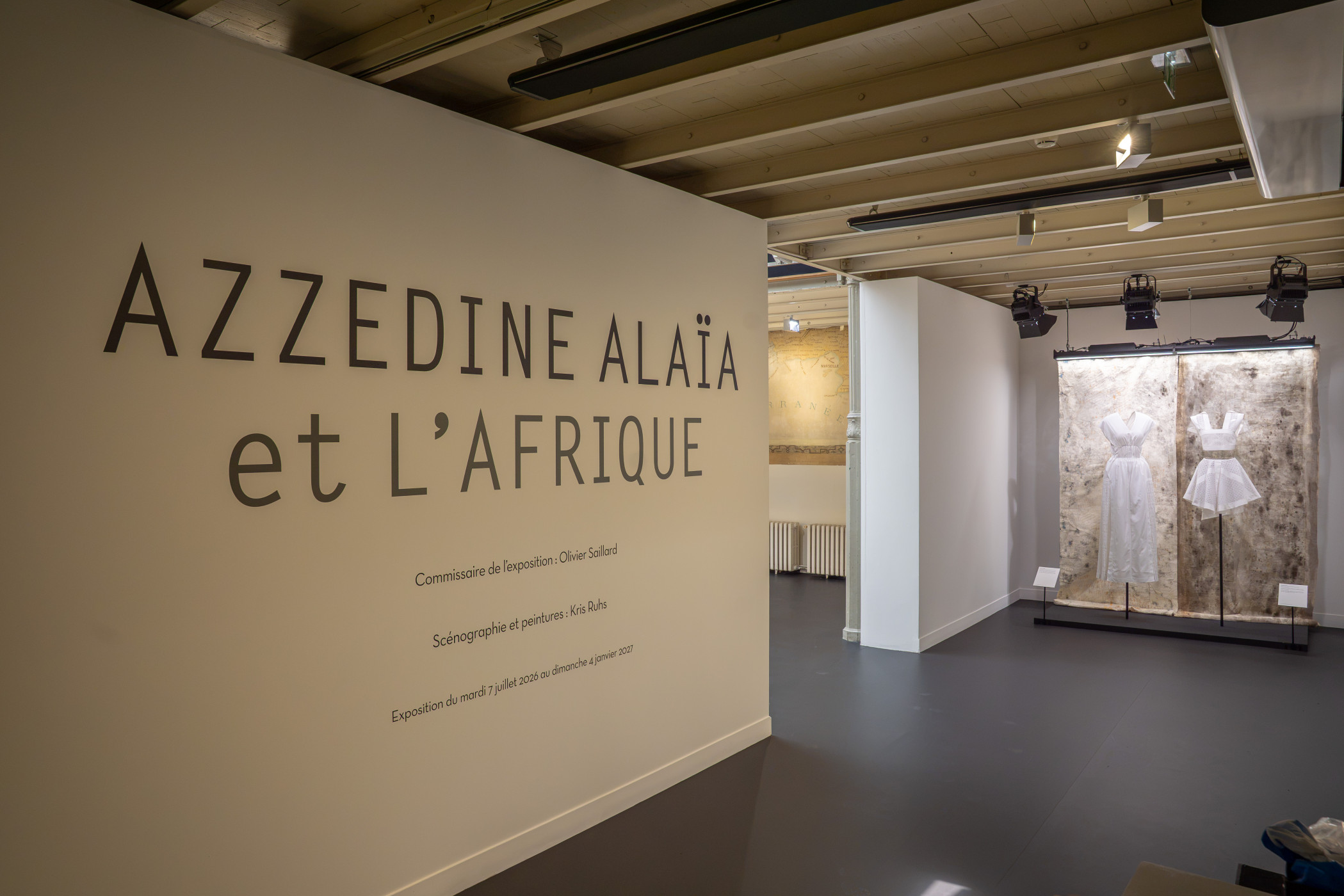
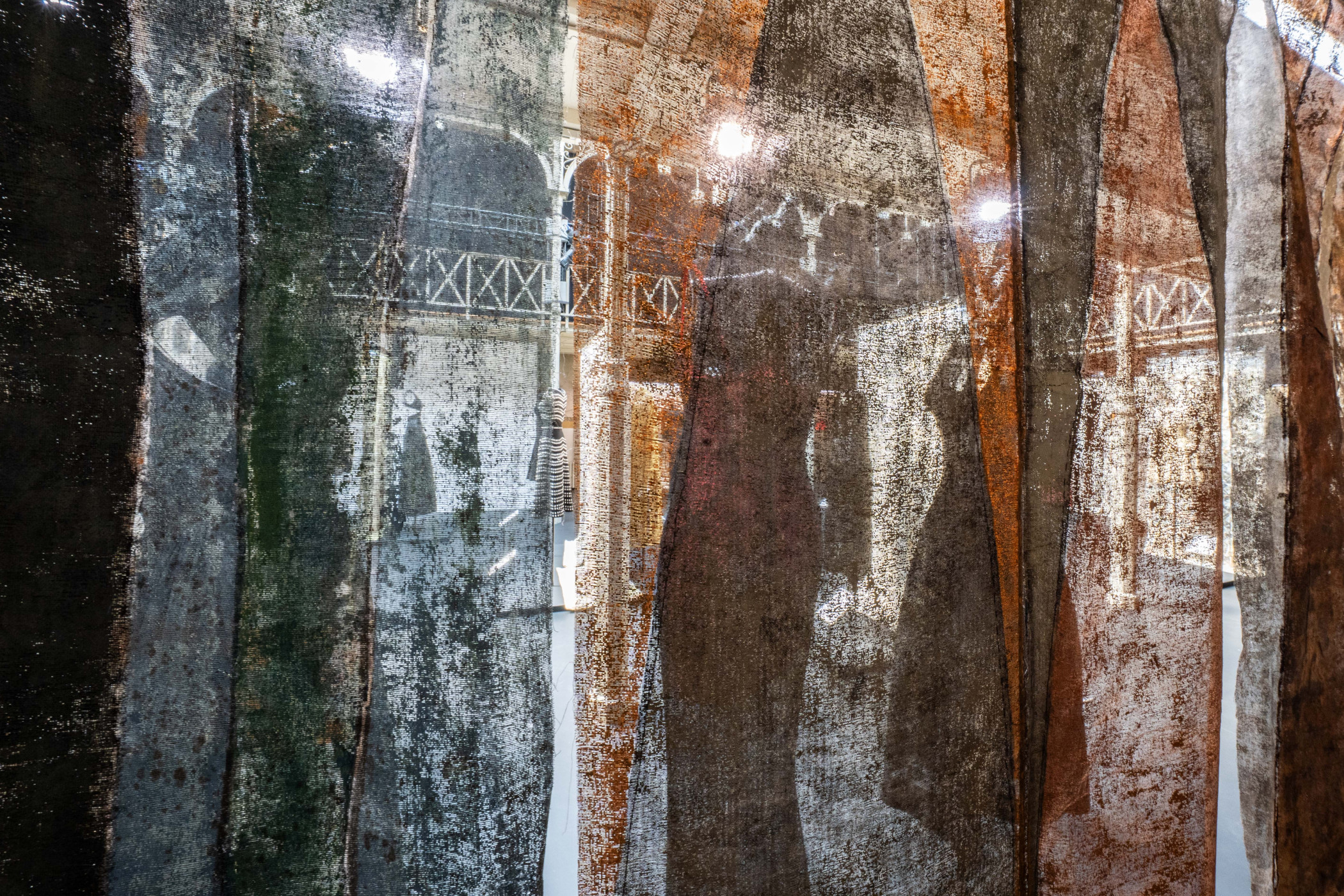
This lifelong connection is at the heart of Azzedine Alaïa and Africa, the new exhibition at the Fondation Azzedine Alaïa in Paris, curated by Olivier Saillard. Bringing together creations from across the designer’s career, the exhibition reveals just how deeply memory, identity and the continent shaped Alaïa’s extraordinary creative language.
WHEN MEMORY BECOMES FASHION
For Alaïa, inspiration was never simply about reproducing what he had seen. It was about transforming what he remembered.
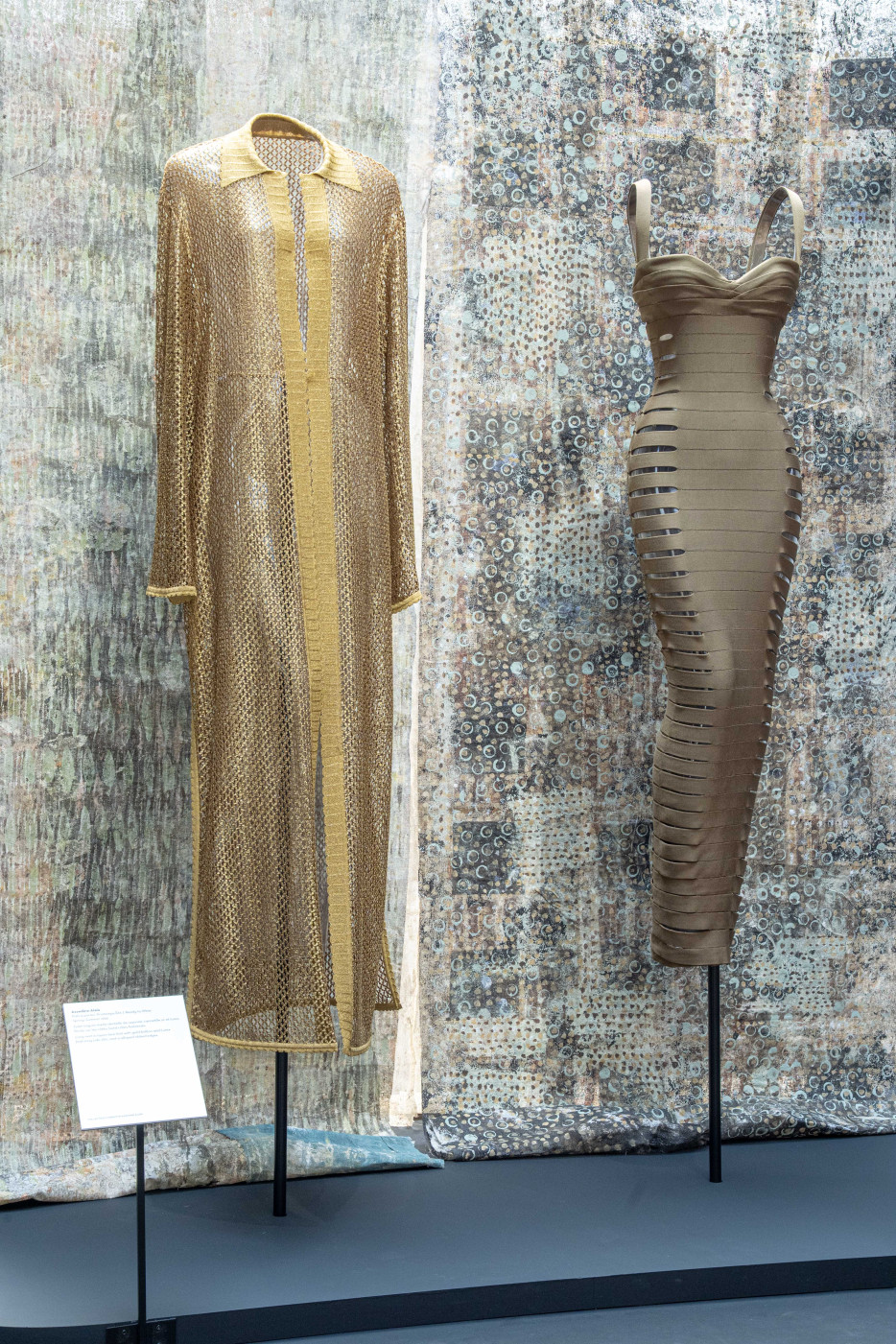
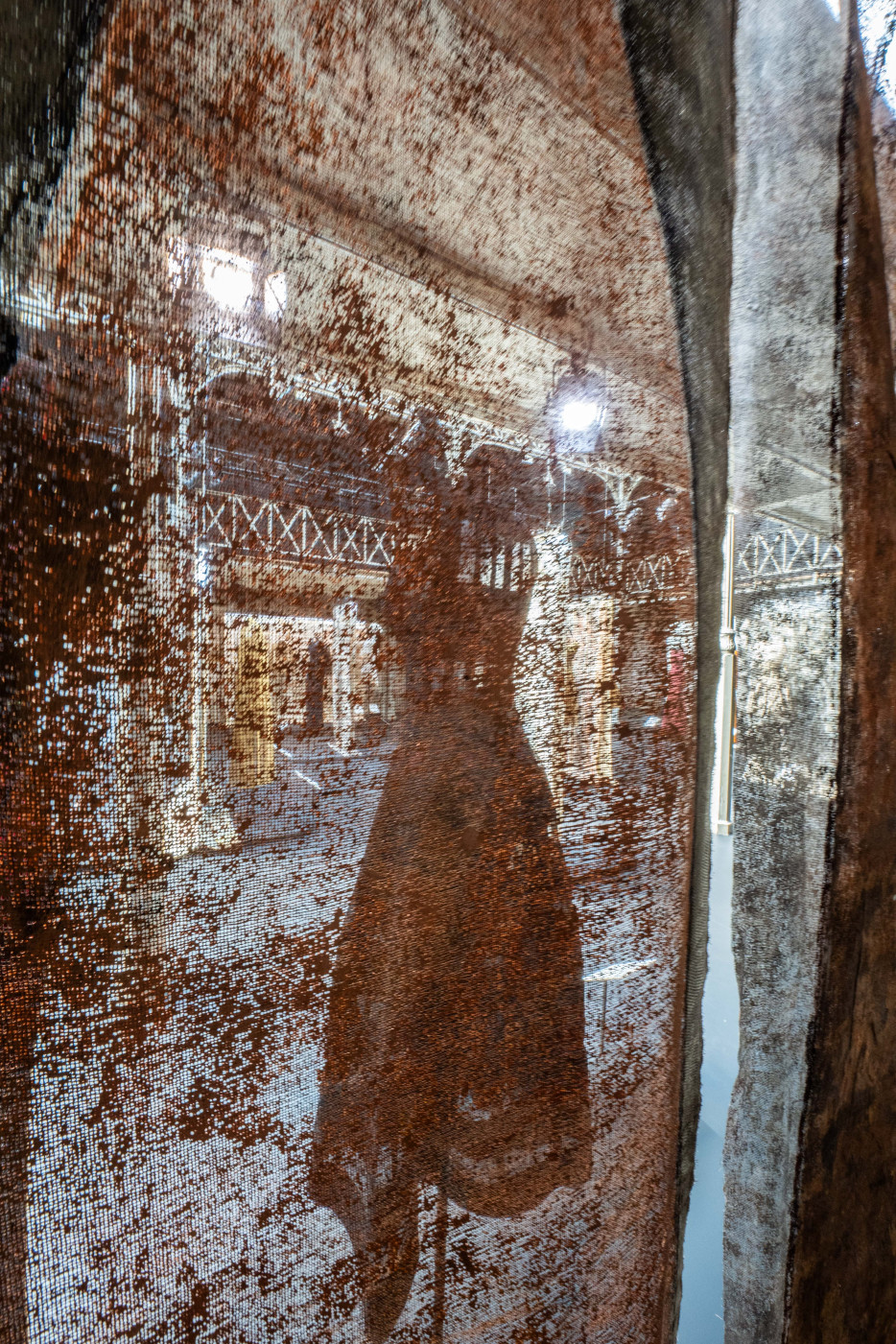
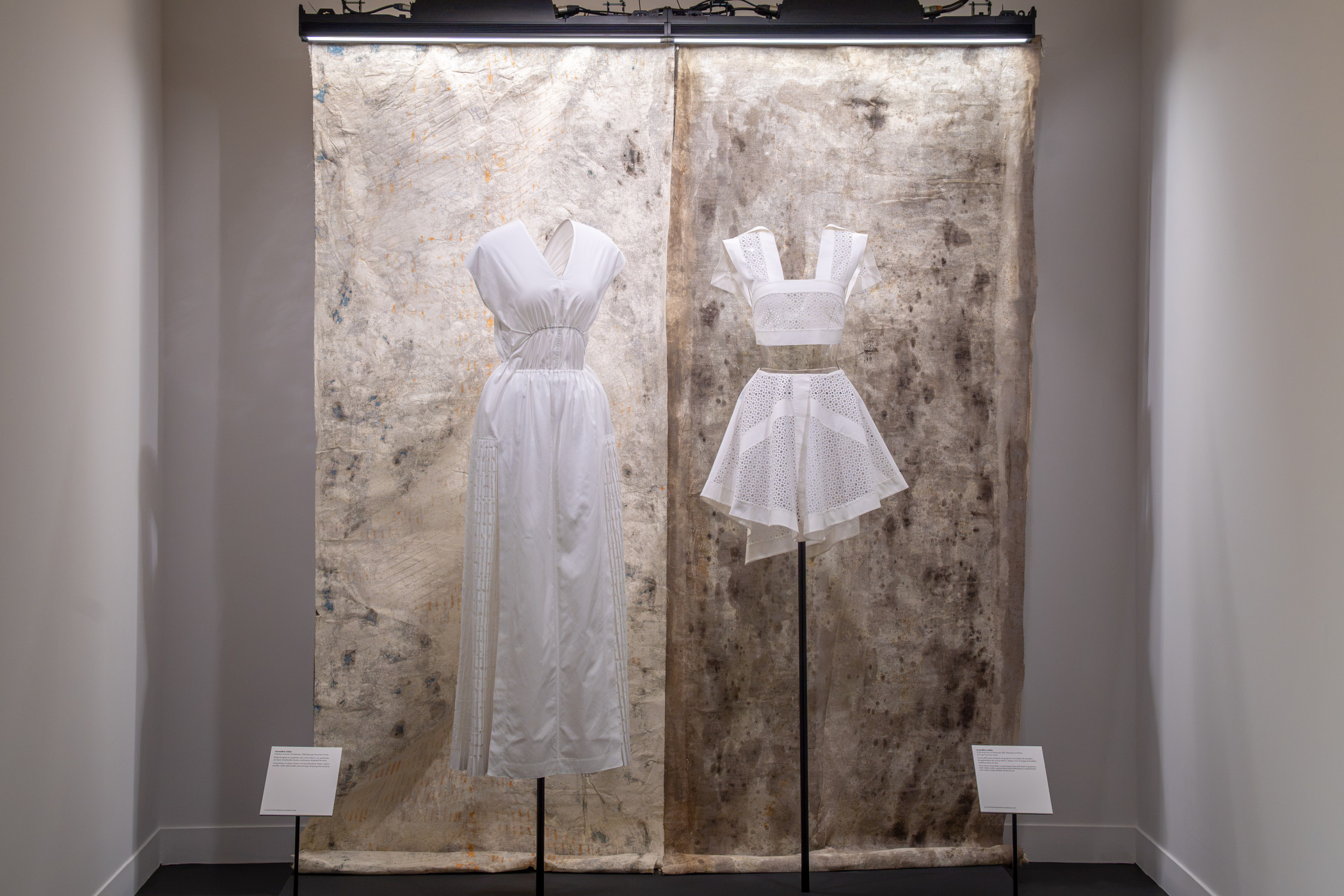
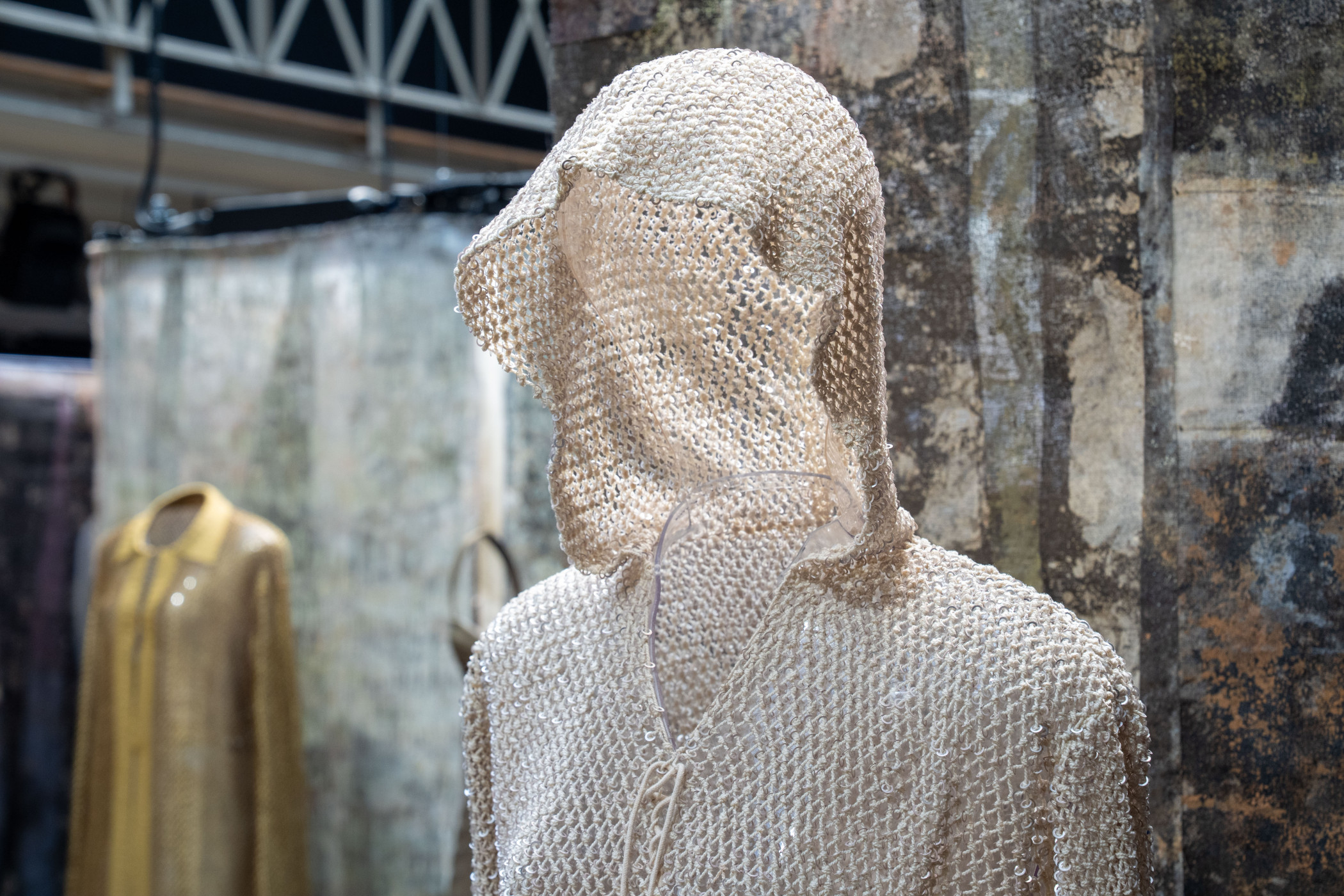
The mashrabiyas of his childhood in Tunis, intricate screens that played with light and the gaze, returned decades later as openwork cotton that revealed and concealed the body. The dazzling white façades of Tunisia became weightless fabrics, while simple jackets and striped shirts remembered from North Africa found their way onto the runway.
Architecture became silhouette. Light became fabric. Memory became fashion.
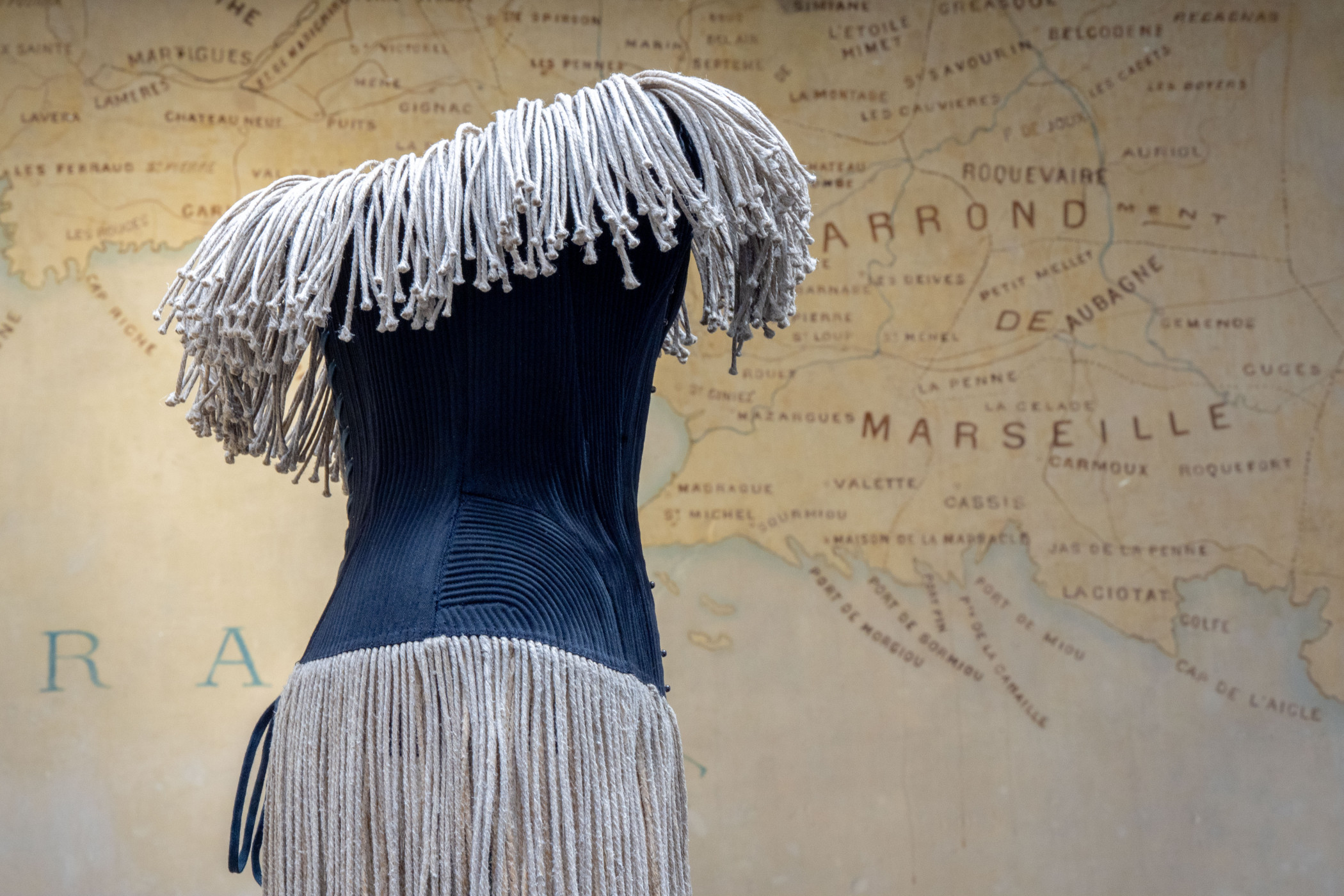
AN AFRICA OF CONTRASTS
The Africa of Alaïa’s imagination was never one single image.
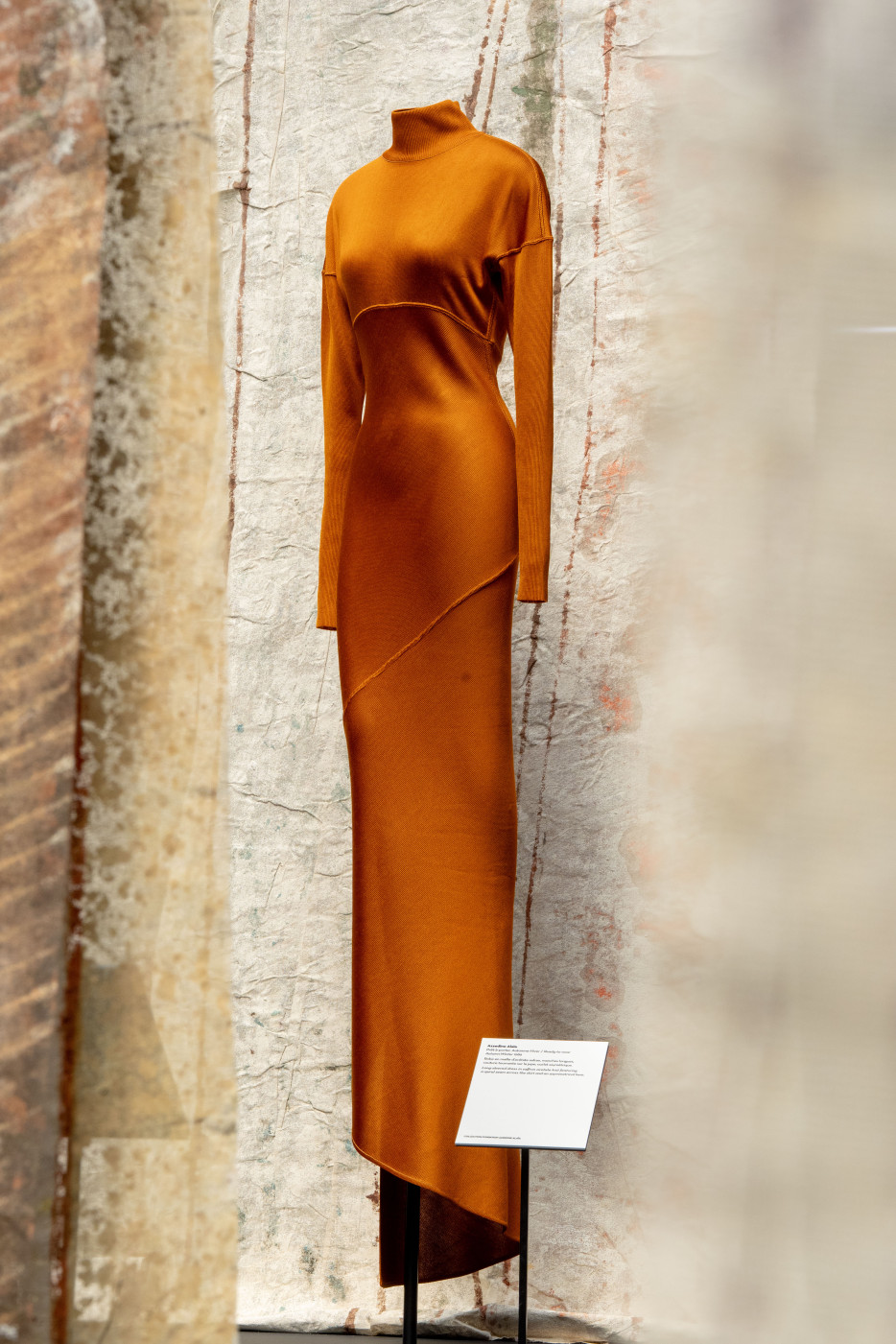
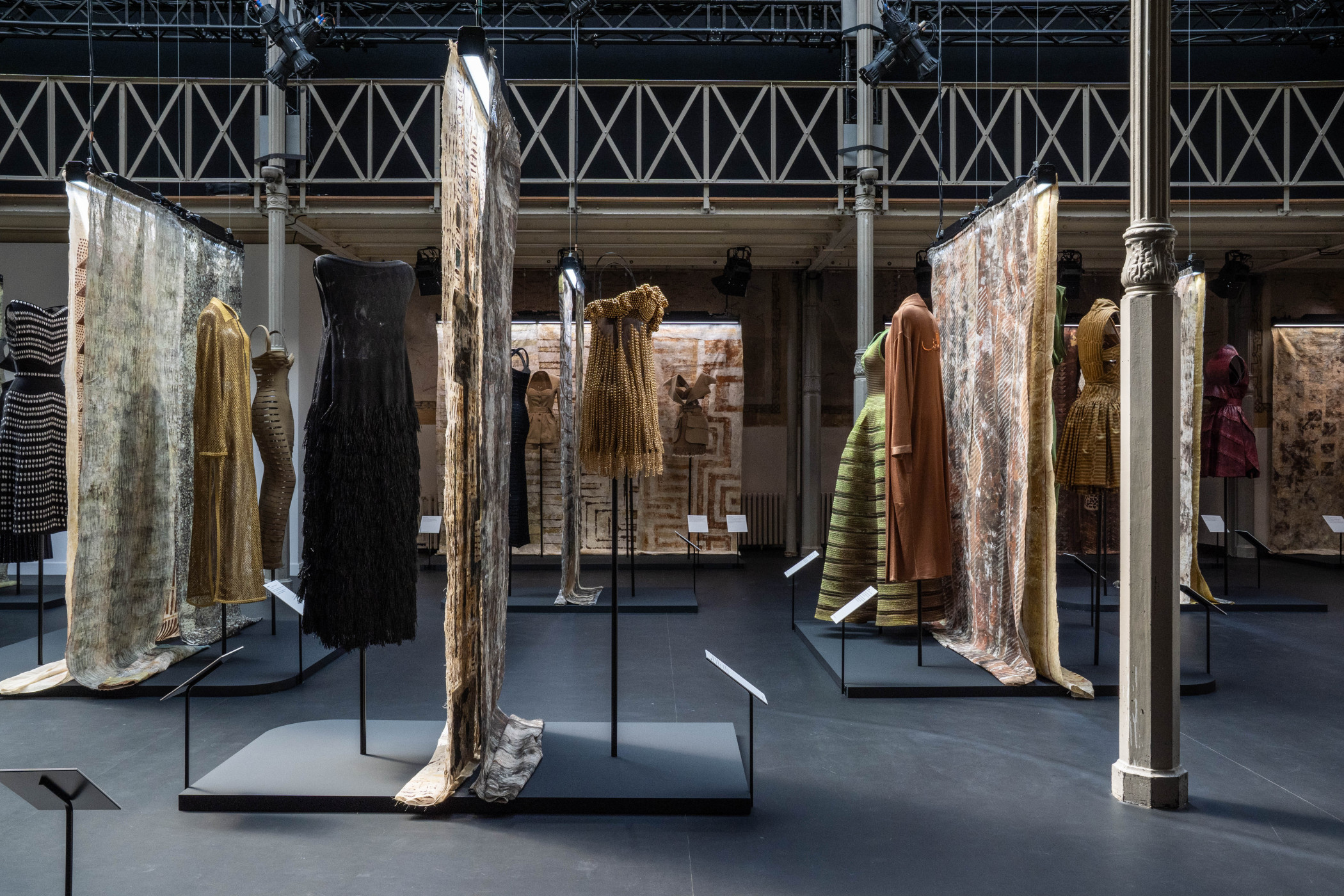
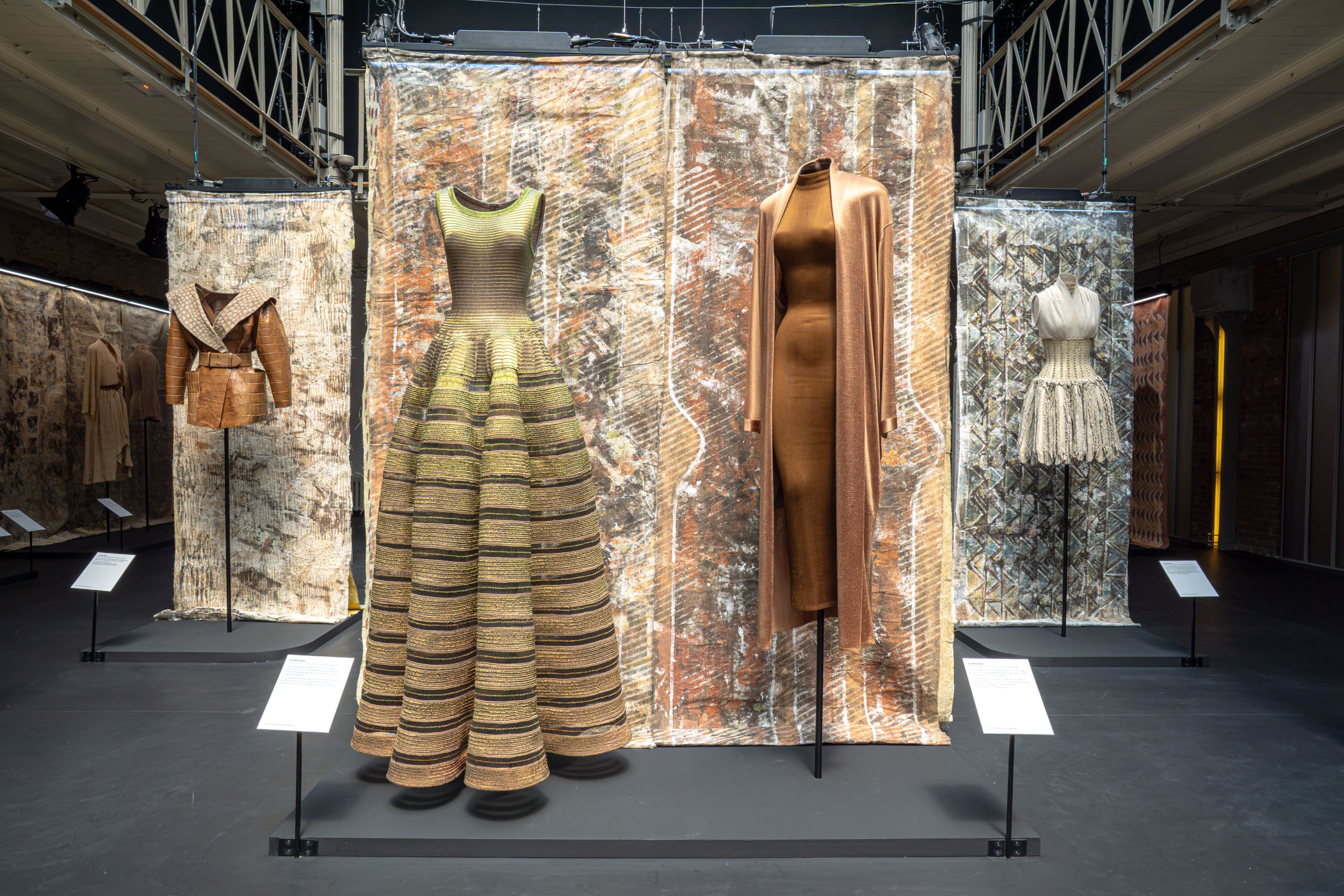
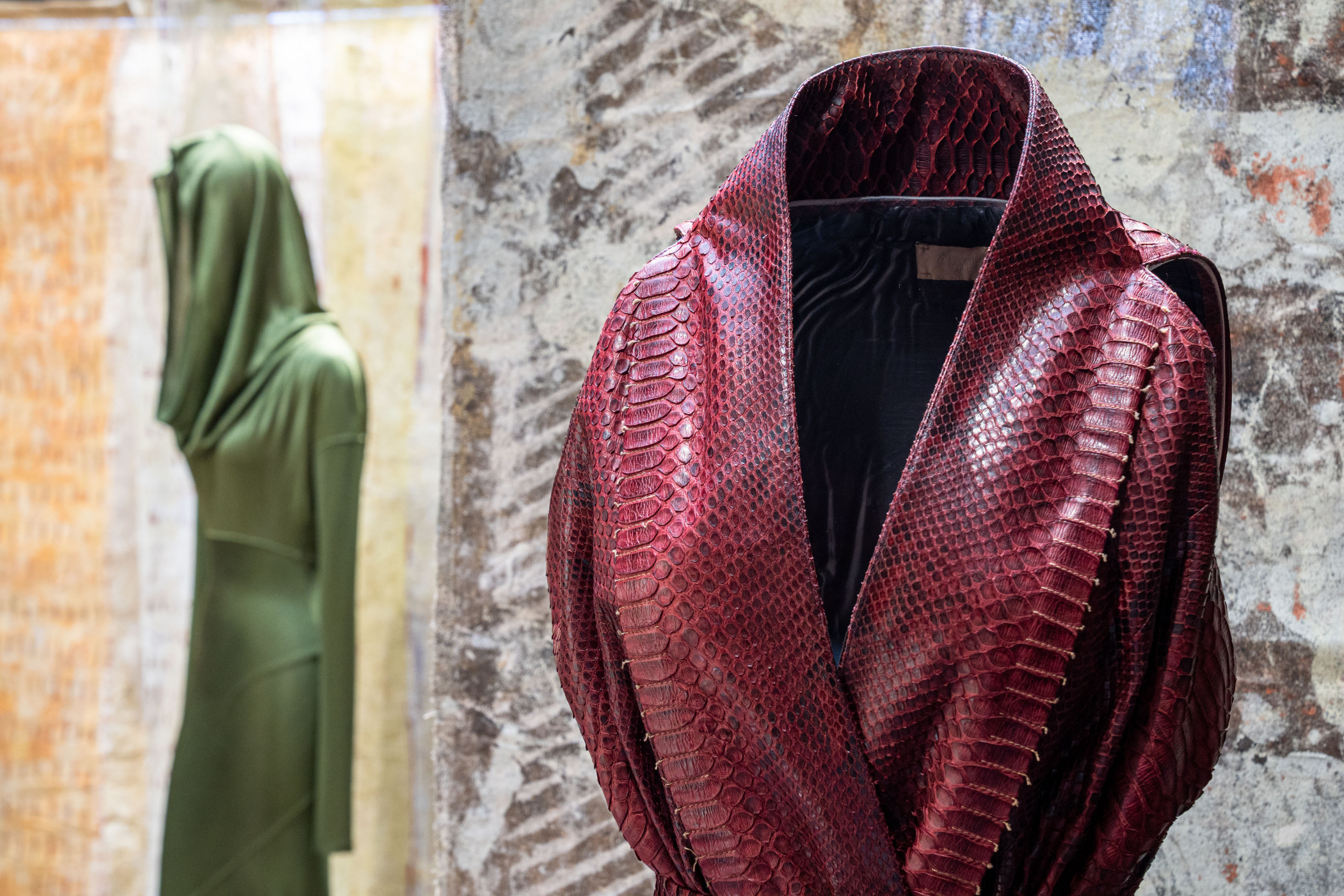
Against the luminous whites of Tunisia came the deepest blacks, sculpting and protecting the body. The expressive simplicity of African masks echoed through dresses of striking restraint. Sand tones dissolved into intense reds, while raffia, twine and cowrie shells transformed garments into extraordinary surfaces.
Ancient Egypt opened yet another chapter. Fascinated by the secret art of mummification, Alaïa translated its visual language through his unparalleled understanding of construction. His iconic bandage dresses, first introduced in 1985, became perhaps the most powerful example of how the distant past could be transformed into something radically modern.
Nothing was copied. Everything was reimagined.
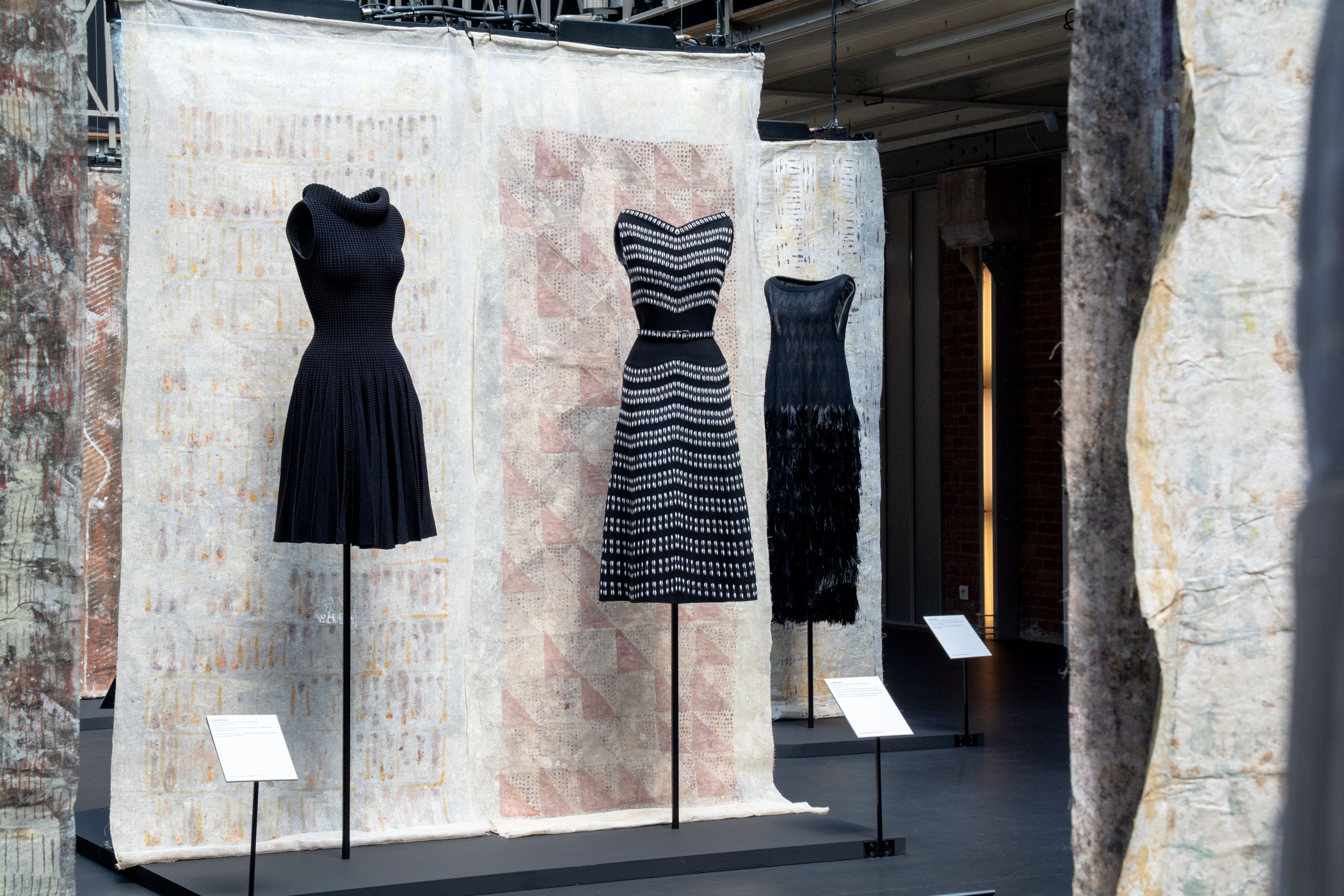
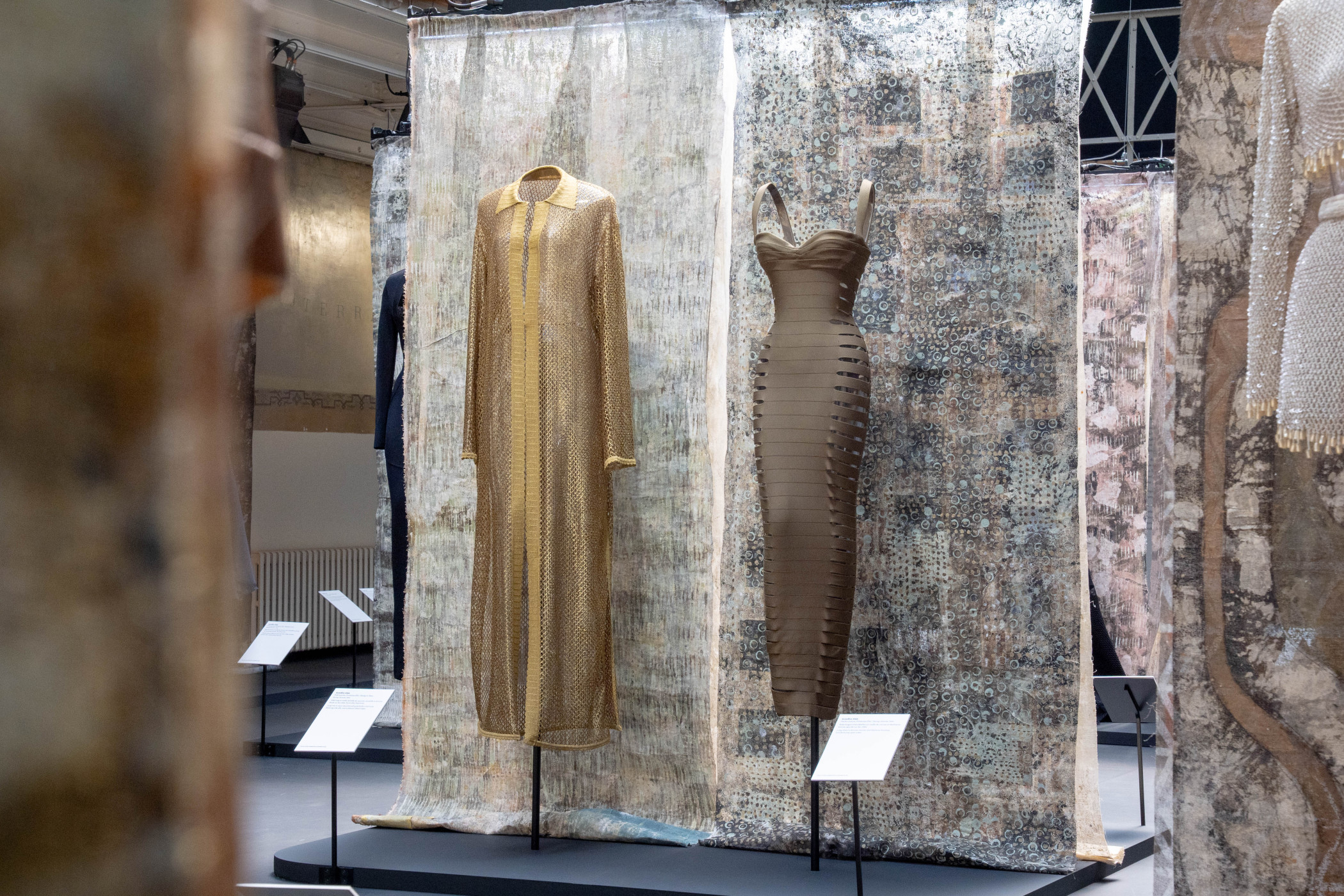
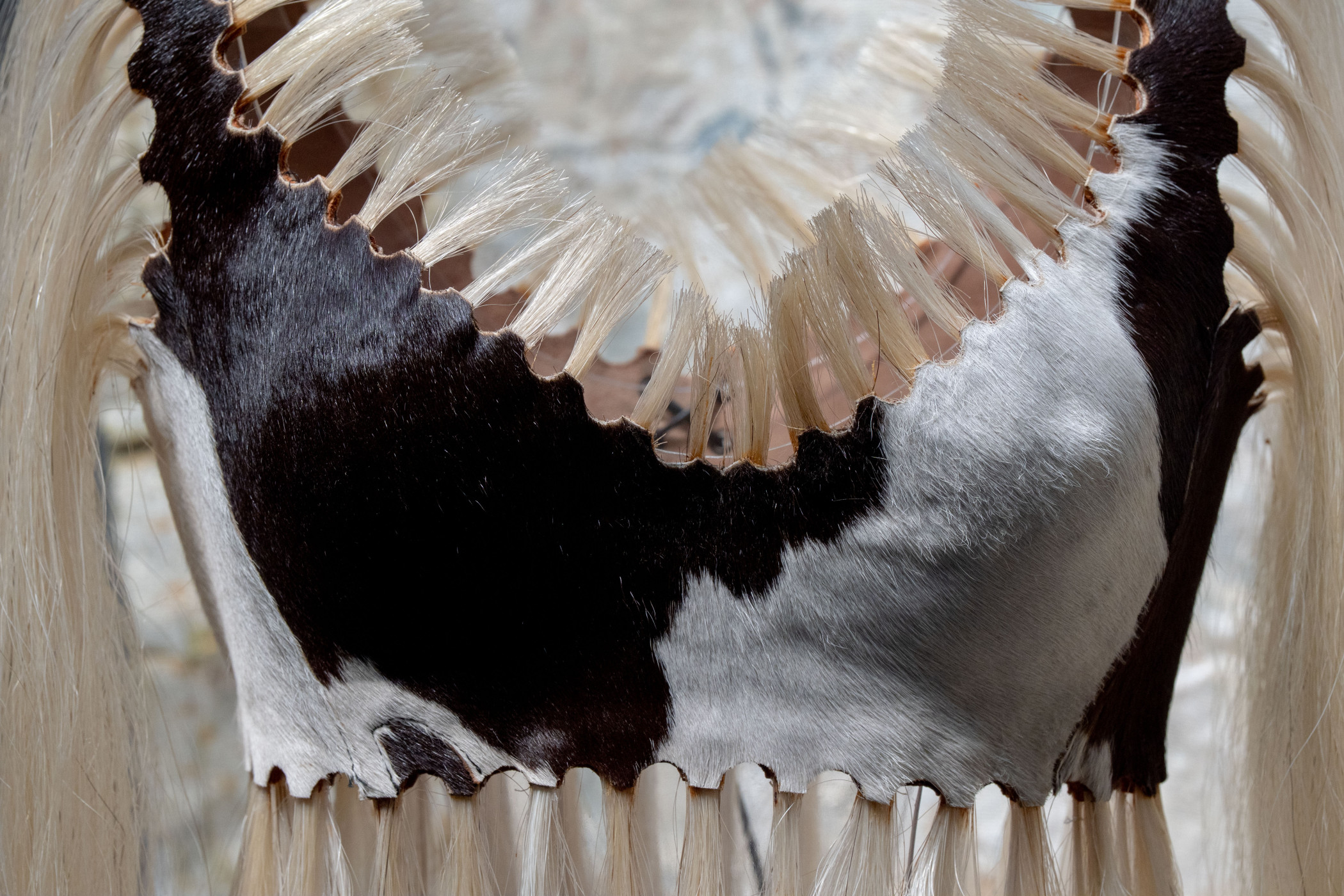
THE CONTINENT WITHIN
In 1996, Alaïa travelled through Maasai country in Kenya with photographer Peter Beard. The images that remain capture the emotion and fascination of a journey that left a profound mark on the designer.
Behind the exhibition is also Carla Sozzani, one of fashion’s most influential figures and Alaïa’s close friend of forty years. As co founder of the Fondation Azzedine Alaïa, she continues to preserve the legacy of a designer whose curiosity and creative vision reached far beyond fashion.
Yet perhaps the most compelling idea behind the exhibition is that Africa was never simply an influence on Alaïa. It was part of his creative identity.
It existed in the white of a Tunisian wall, the darkness of a sculptural dress, the texture of raffia and the body wrapped in fabric. Across decades of collections, these memories returned again and again, transformed by one of fashion’s most extraordinary minds.
Alaïa left Africa at a young age. But Africa never left his imagination.
And perhaps that is what makes Azzedine Alaïa and Africa so compelling. More than an exhibition about inspiration, it is a story about the places we carry within us and the extraordinary things they can become.
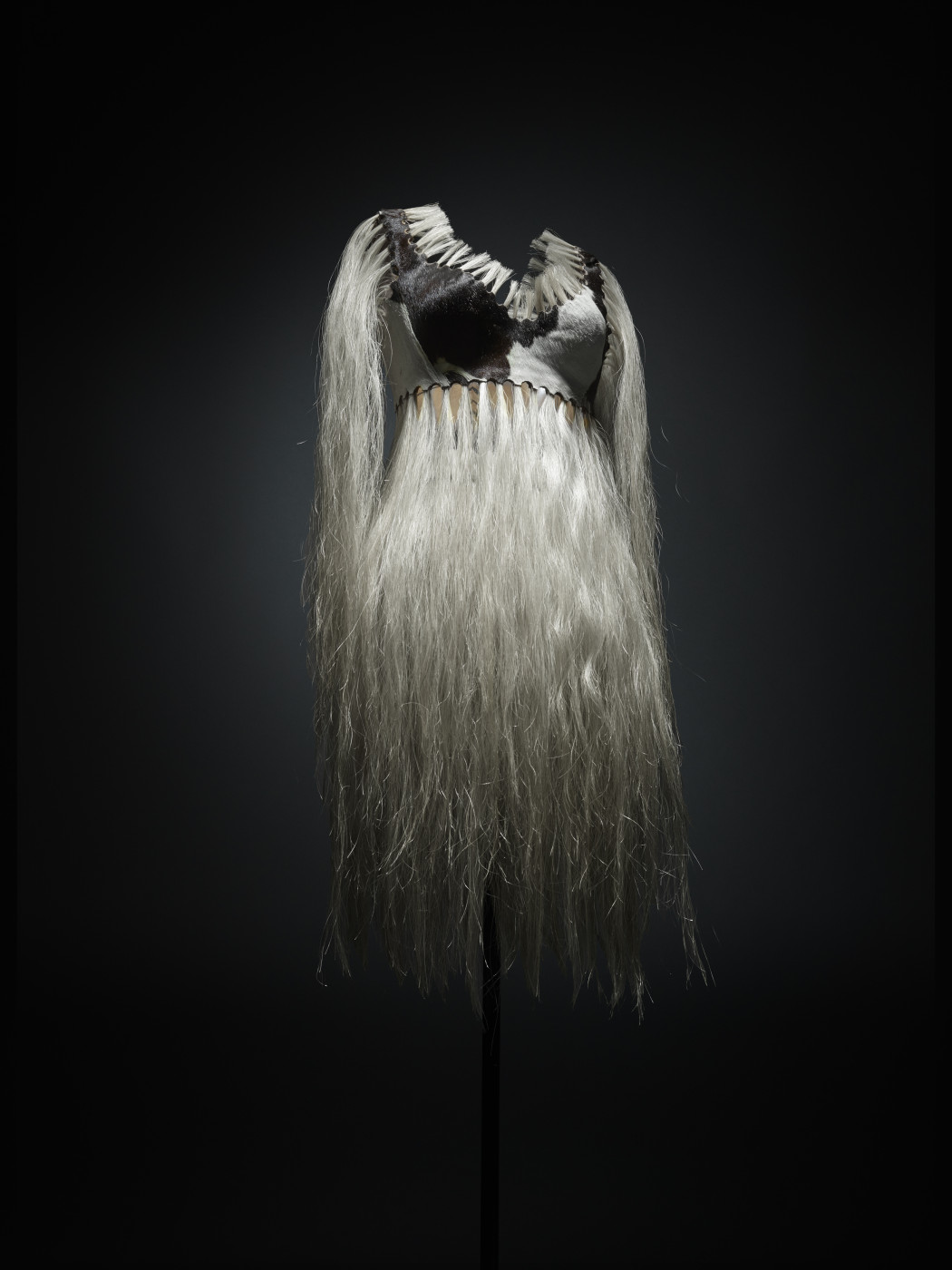
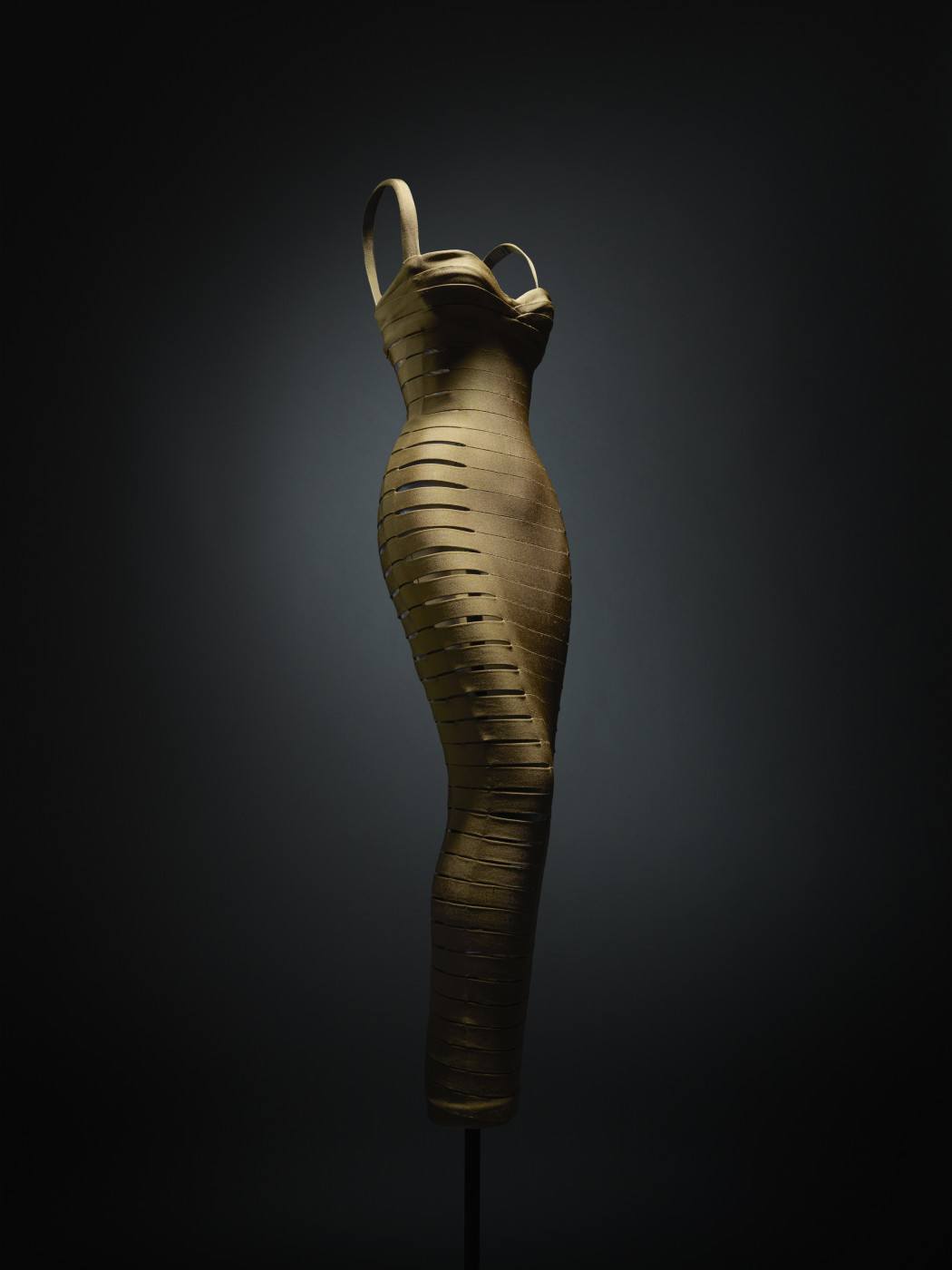
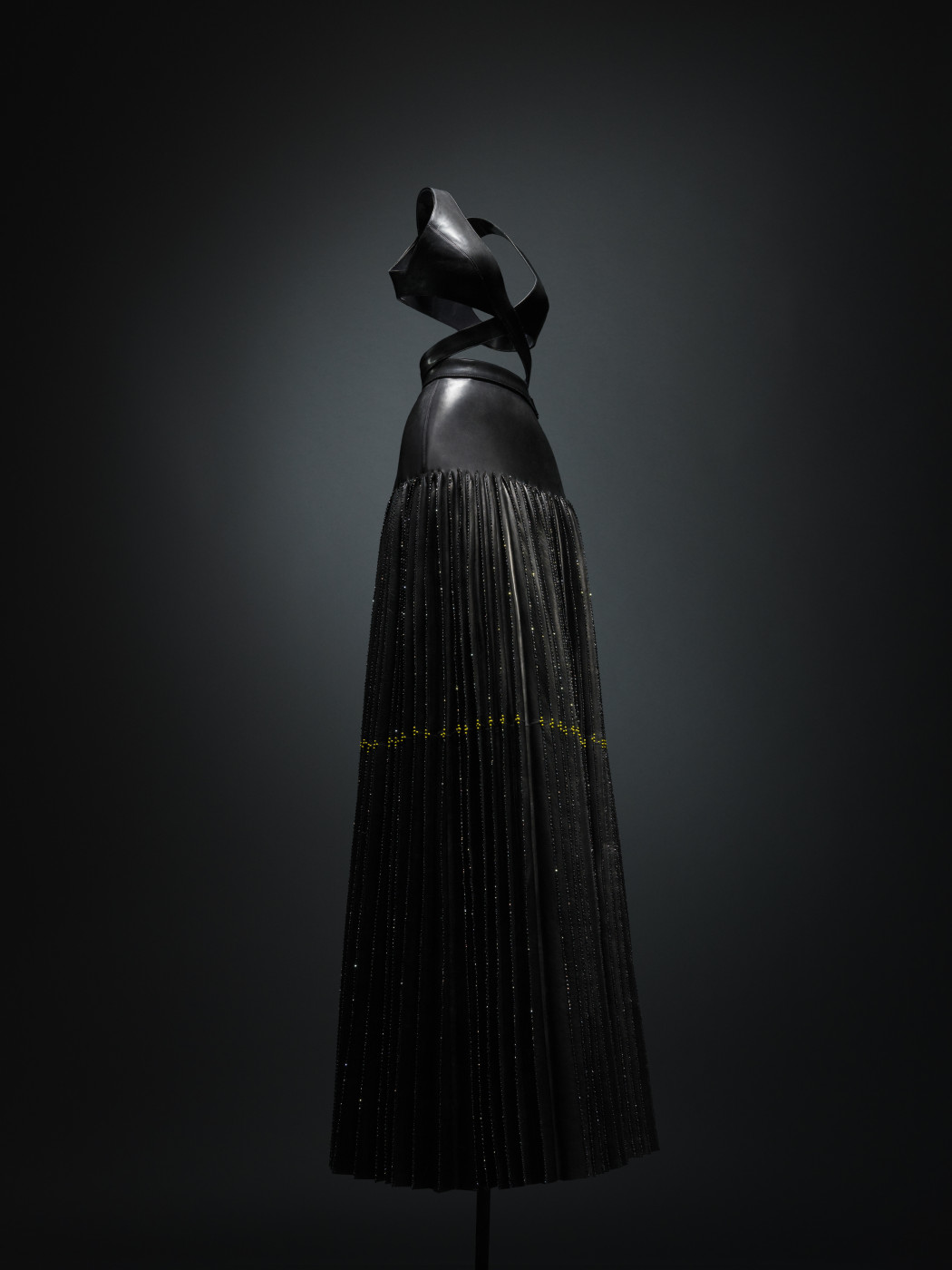
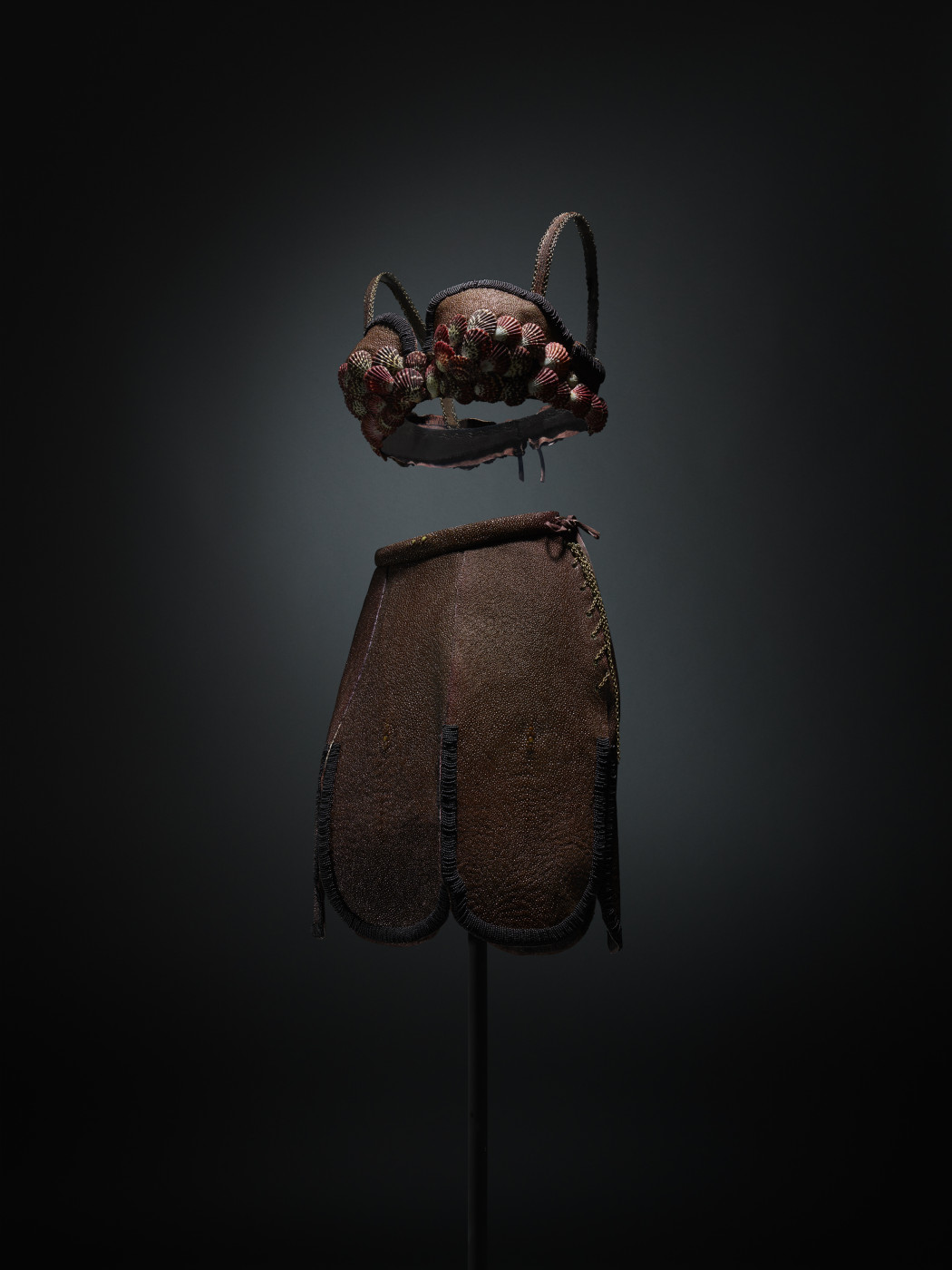
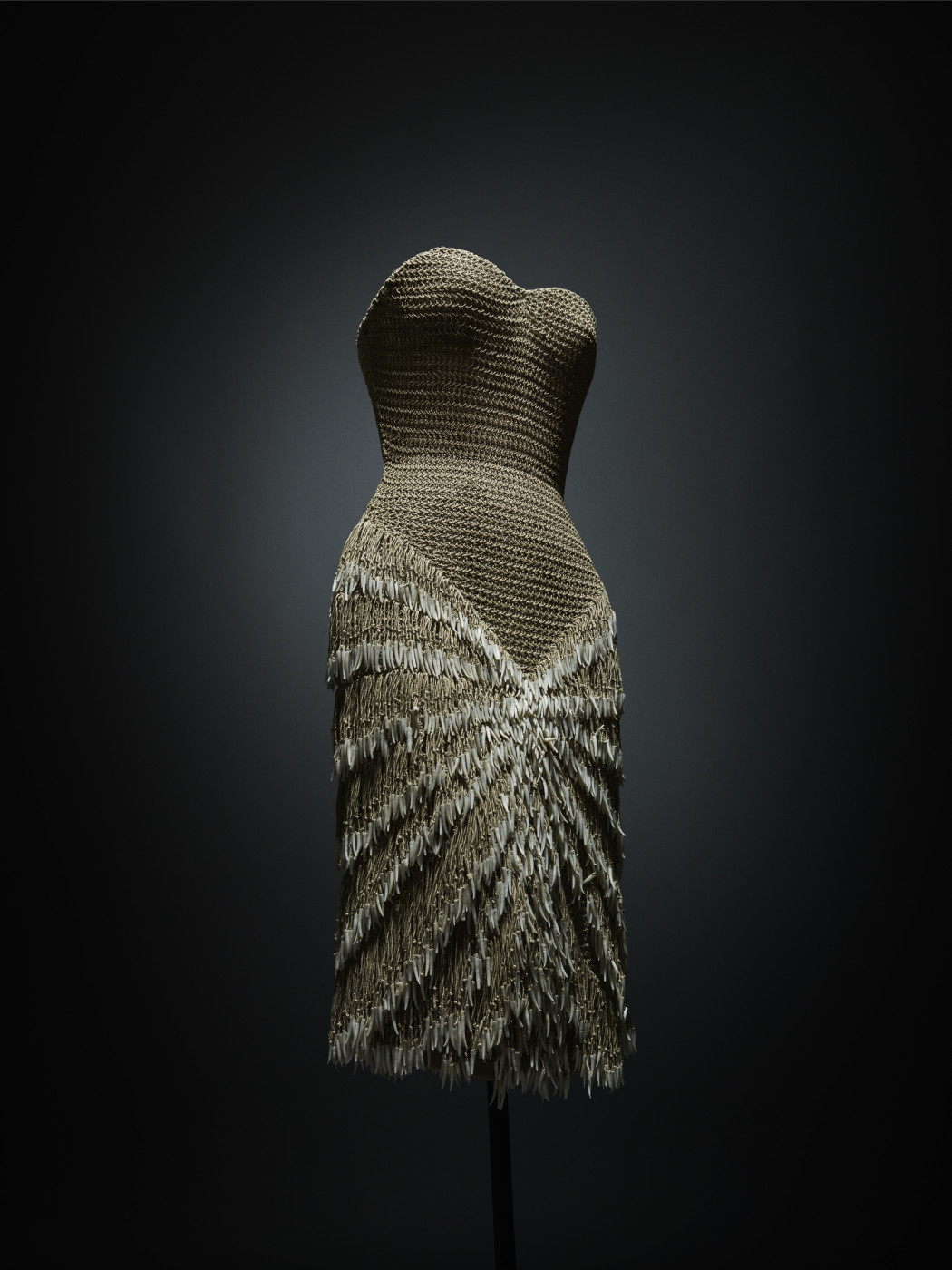
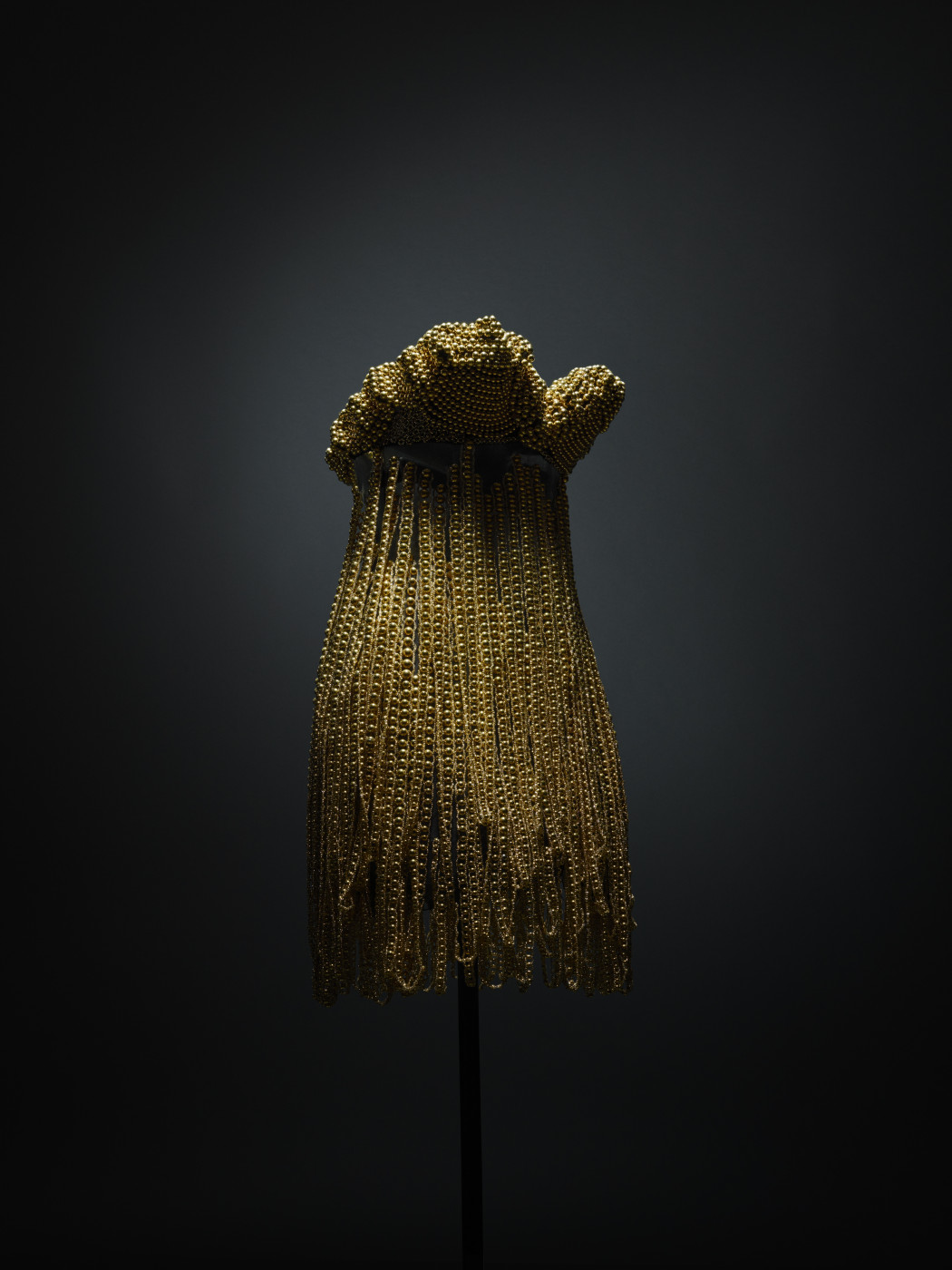
Azzedine Alaïa and Africa will be on view at the Fondation Azzedine Alaïa in Paris from July 7, 2026, through January 4, 2027. The exhibition is open daily from 11 AM to 7 PM.
Text: Editorial team
Courtesy: Fondation Azzedine Alaïa