
Subscribe
On The NewsSubscribe
confirmed Your subscription to our list has been confirmed.


Paris Photo 2026: Two Centuries of Photography, and the Art of Seeing Differently
From Thomas Ruff's monumental installation to fashion photography and artificial intelligence, the 29th edition of Paris Photo celebrated two centuries of images and the endless possibilities of looking at the world.
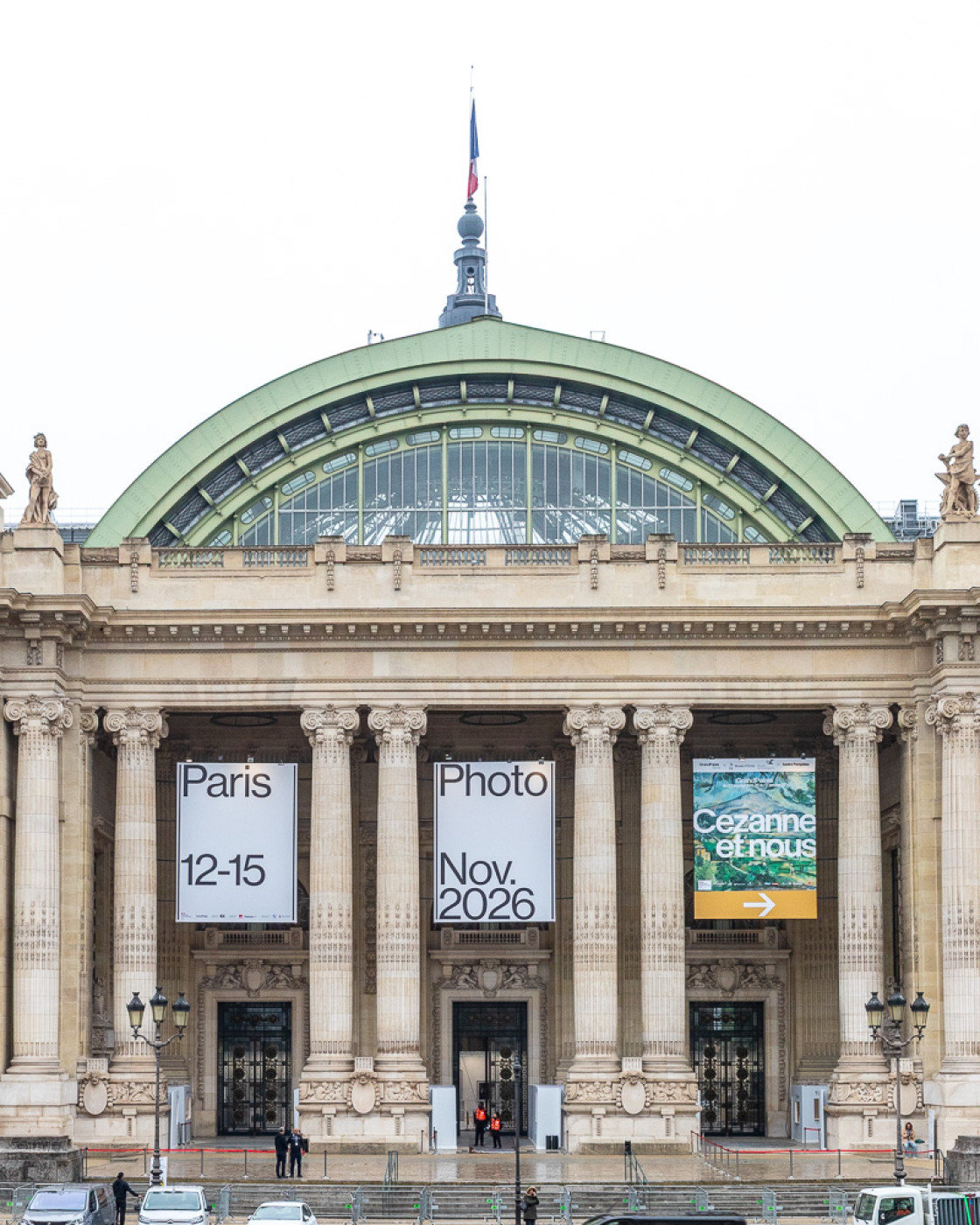
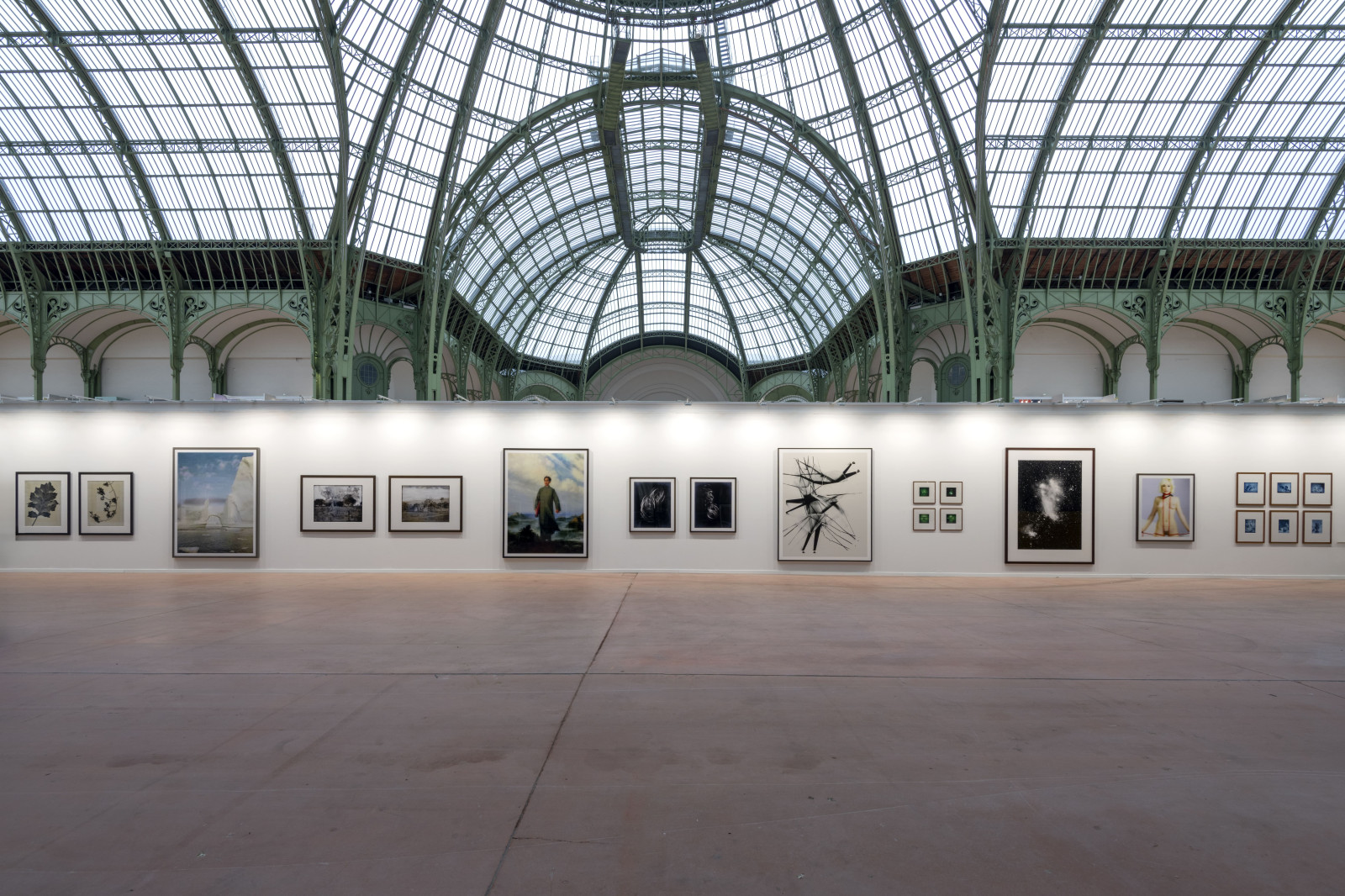
At the entrance to the Grand Palais, Thomas Ruff's photographs stretched across 36 metres, tracing more than four decades of artistic experimentation. Conceived as an enormous open book, the installation offered a striking introduction to Paris Photo 2026, which celebrated photography's bicentenary at a moment when the very definition of a photograph is being reconsidered.
Held from November 12 to 15, the fair brought together 246 exhibitors from 38 countries, including 199 galleries and 48 publishers. Beneath the Grand Palais's spectacular glass roof, early photographic experiments met contemporary art, fashion imagery and digital technologies. The result was not simply a journey through photography's history, but a compelling exploration of where it might go next.
TWO CENTURIES THROUGH THE LENS
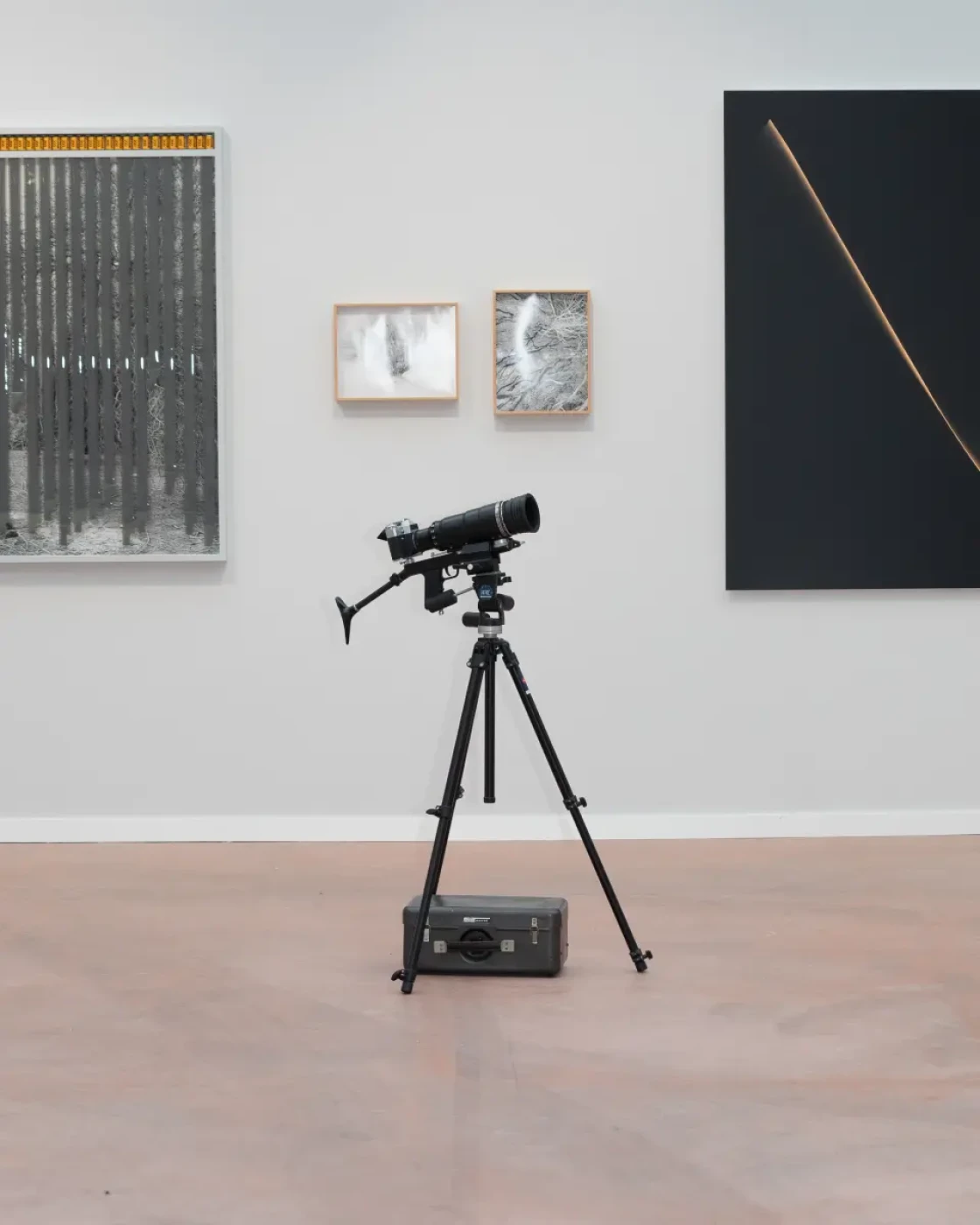
Few artists have questioned photography's relationship with reality as persistently as Thomas Ruff. A leading figure of the Düsseldorf School, he has spent his career exploring the possibilities of the photographic image, moving from portraits and astronomical photographs to digitally constructed compositions.
His monumental presentation captured one of the fair's central ideas: a photograph is never just a neutral record of what exists. It is also an expression of how we choose to see.
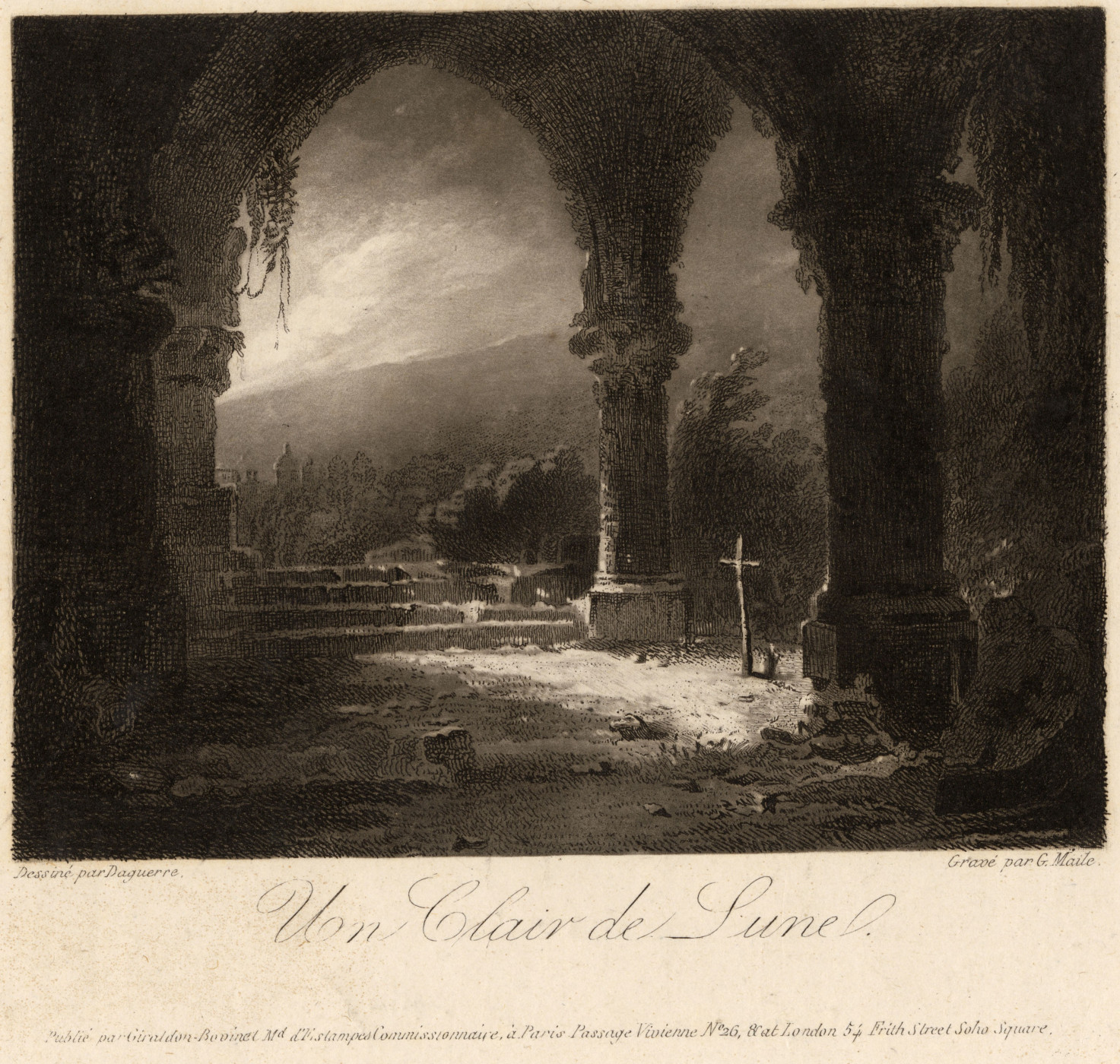
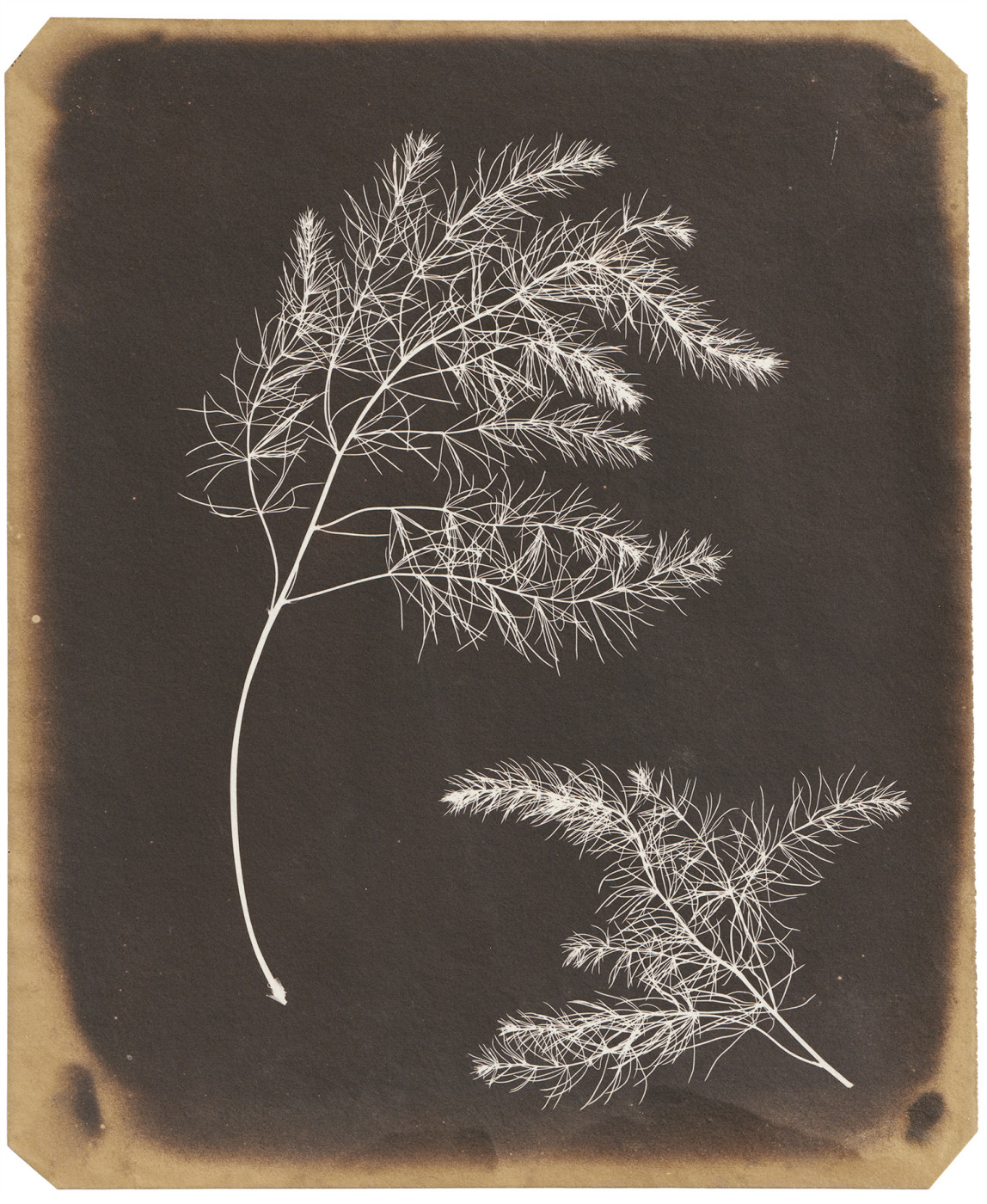
Elsewhere, historical works by pioneers including Louis Daguerre, William Henry Fox Talbot and Anna Atkins, presented by Hans P. Kraus Jr., offered a fascinating glimpse into photography's beginnings. Created through painstaking processes, these early images revealed the extraordinary ambition of capturing a moment and preserving it beyond its natural lifespan.
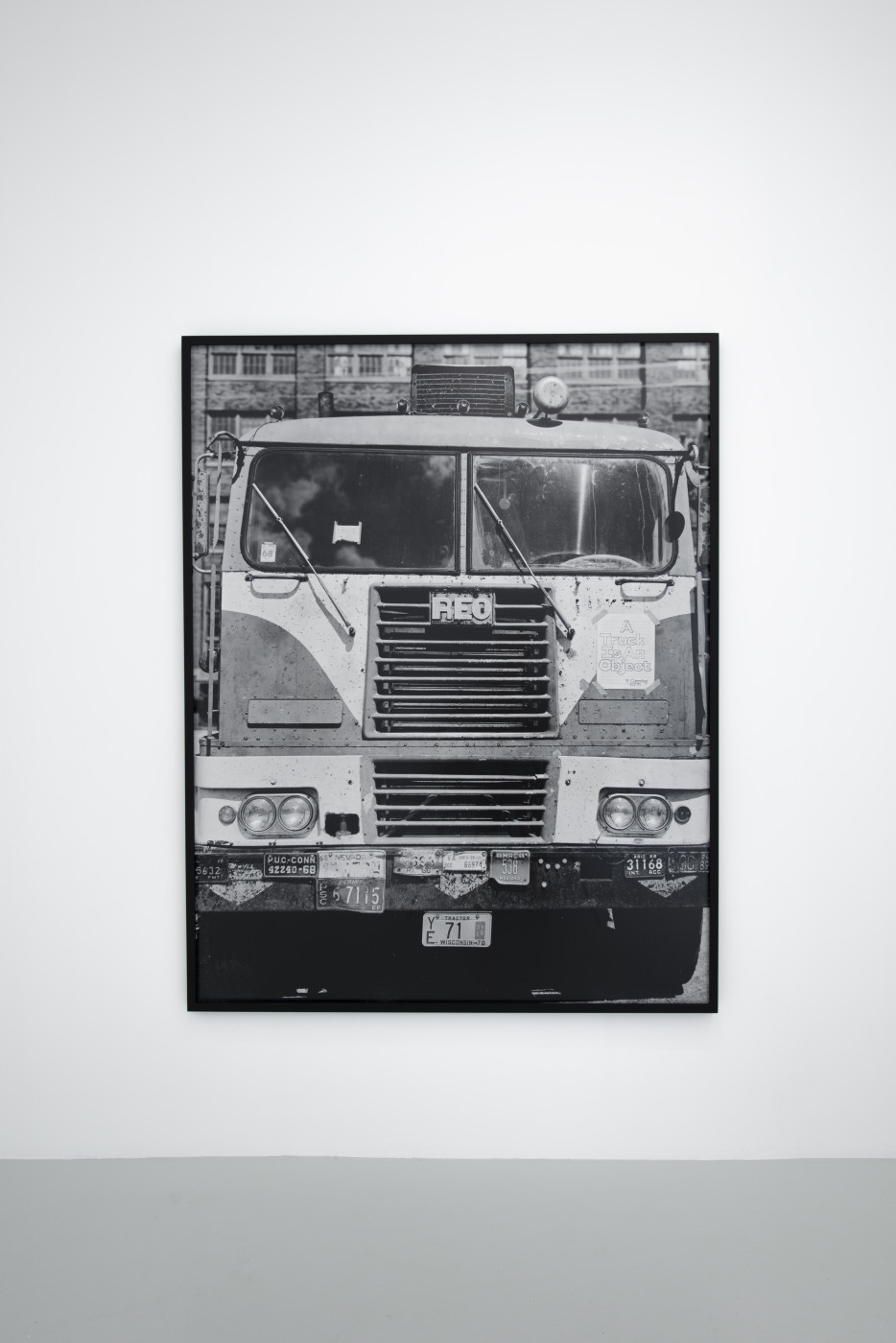
The Centre Pompidou's special exhibition, Revealing, continued this dialogue through nearly 100 works by approximately 30 artists. Exploring image-making, reproduction, the studio and identity, the presentation included Robert Cumming, Kunié Sugiura, Martha Wilson and Sam Contis. Together, their works demonstrated that photography does more than document appearances. It can also shape how individuals and societies understand themselves.
WHEN IMAGES CHANGE
Photography's ability to preserve what might otherwise disappear became the central theme of the Voices sector, curated by Zasha Colah and Francesco Zanot.
Through historical and contemporary works, the section examined fragile memories, endangered landscapes and overlooked histories. It also raised an intriguing paradox: photography was invented to preserve fleeting moments, yet the medium itself is constantly changing.
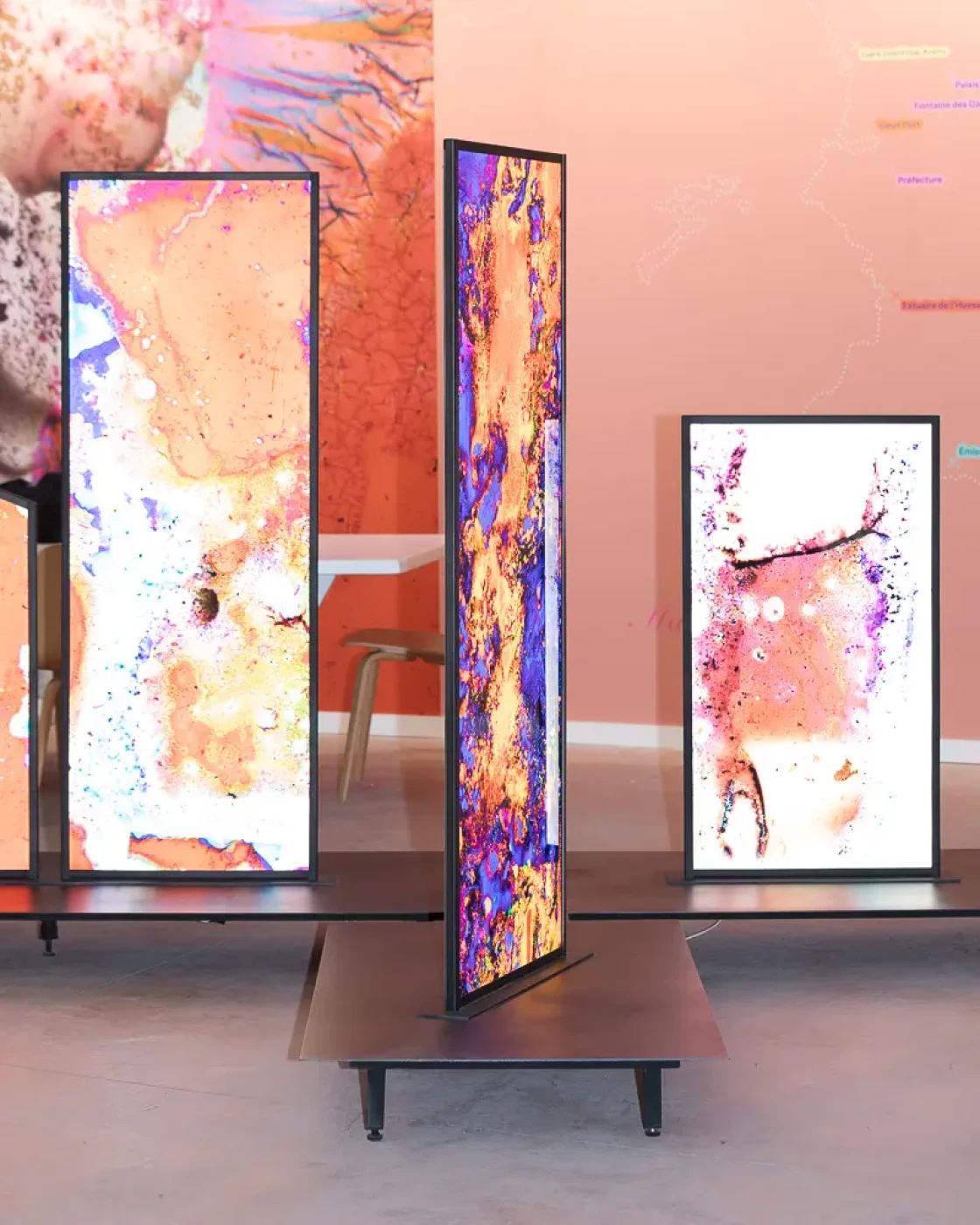
That transformation was particularly evident in the Digital sector, curated by Marco de Mutiis of Fotomuseum Winterthur. Bringing together 13 galleries, curatorial platforms and special projects, it explored the growing influence of artificial intelligence, algorithms and digital image-making.
As technology makes it possible to create convincing images without a camera, the distinction between recording reality and inventing it becomes increasingly uncertain.
Rather than presenting these developments as a threat, Paris Photo placed them within photography's long tradition of experimentation. After all, every major technical innovation has changed not only how images are made, but also how we understand them.
FASHION BEYOND THE FRAME
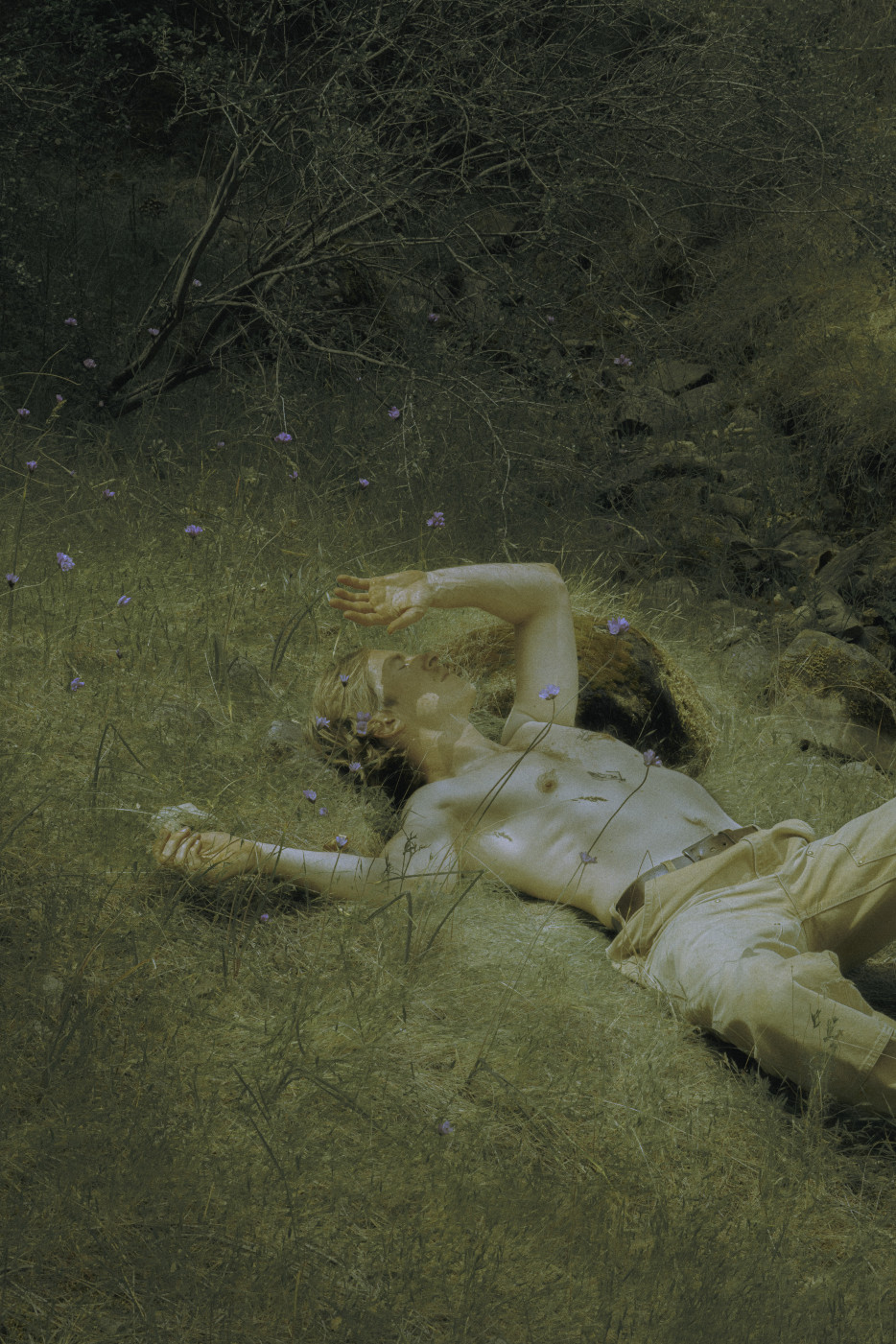
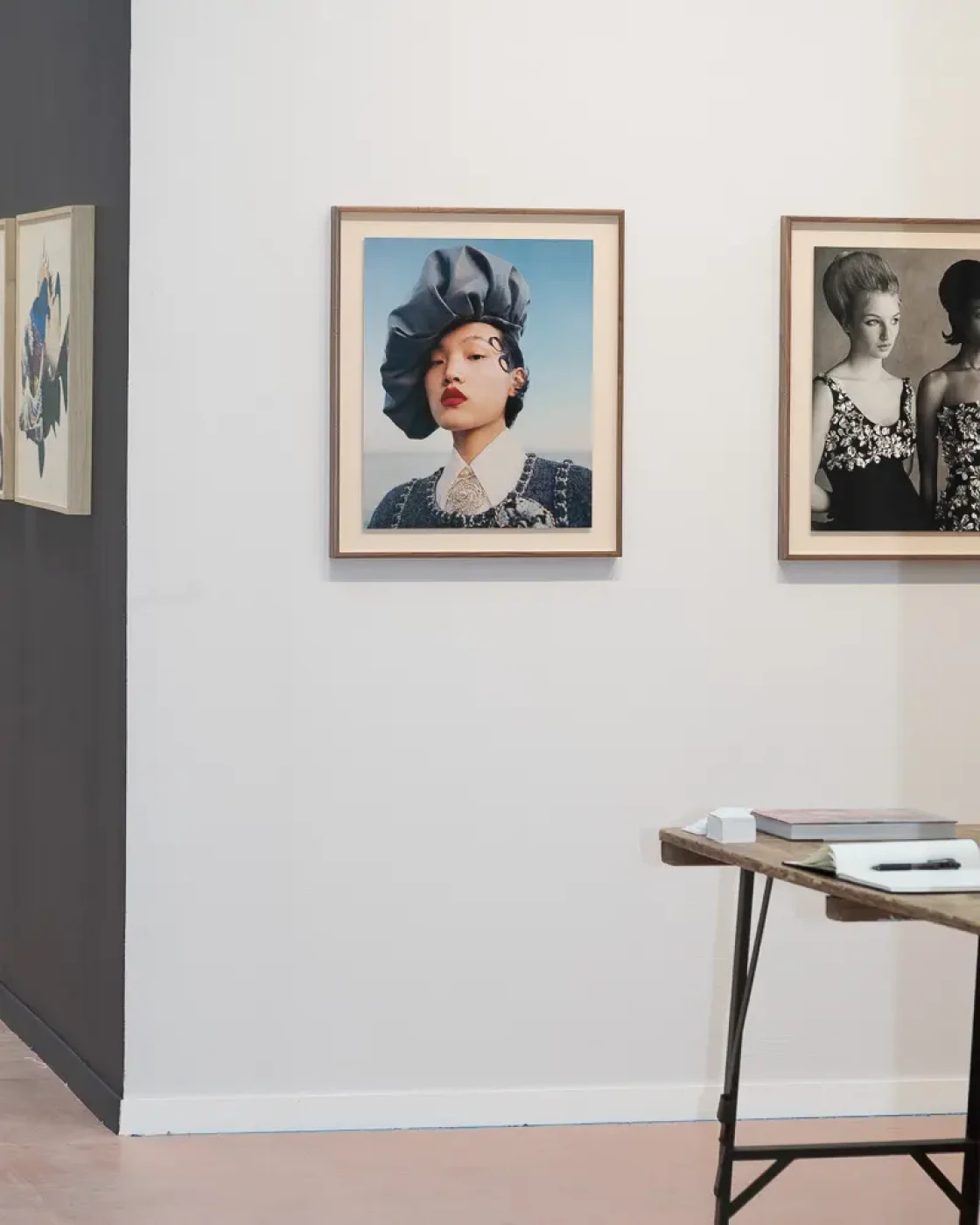
Fashion photography brought another dimension to the fair, demonstrating how images created around style and beauty can develop an artistic life far beyond magazines and campaigns.
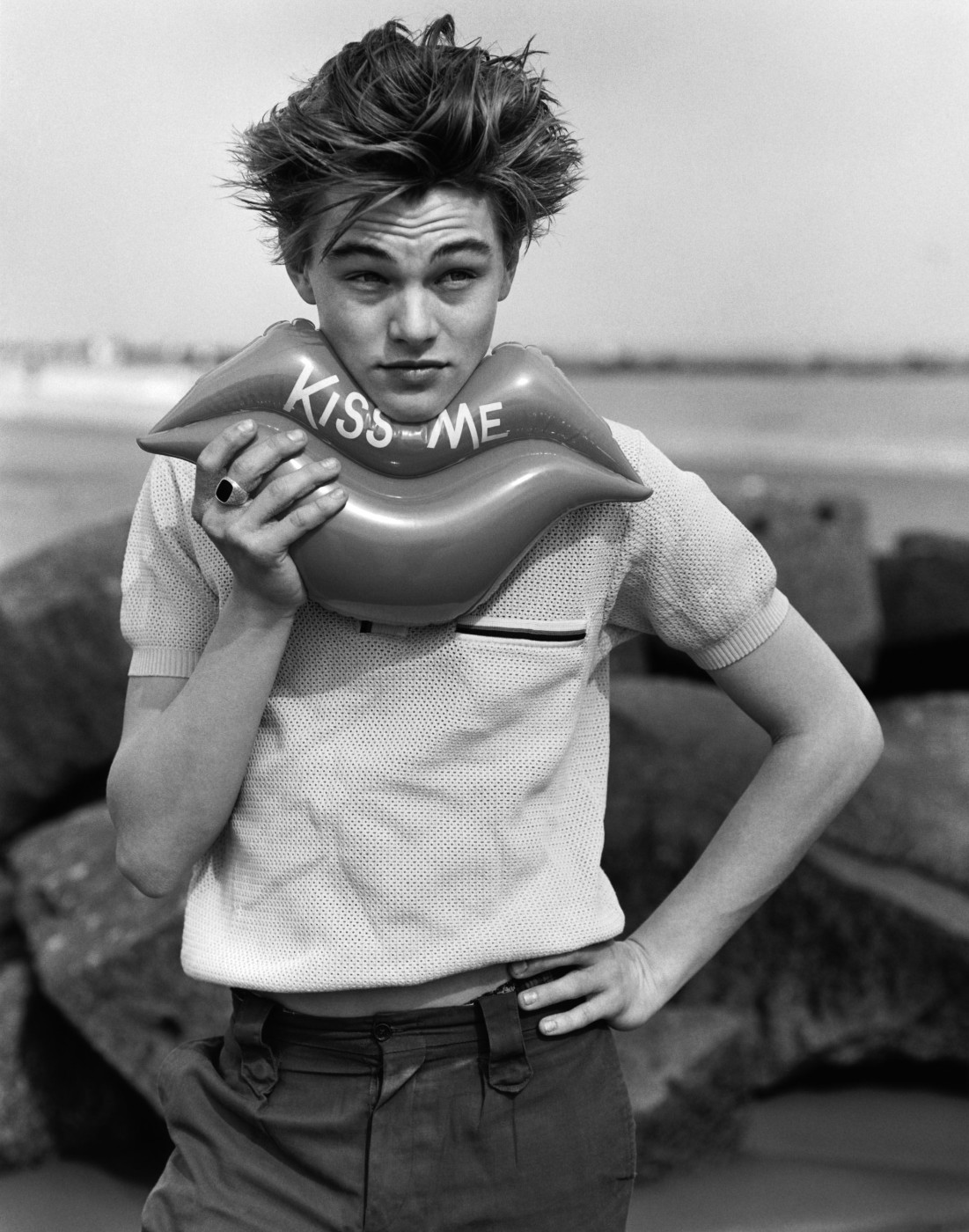
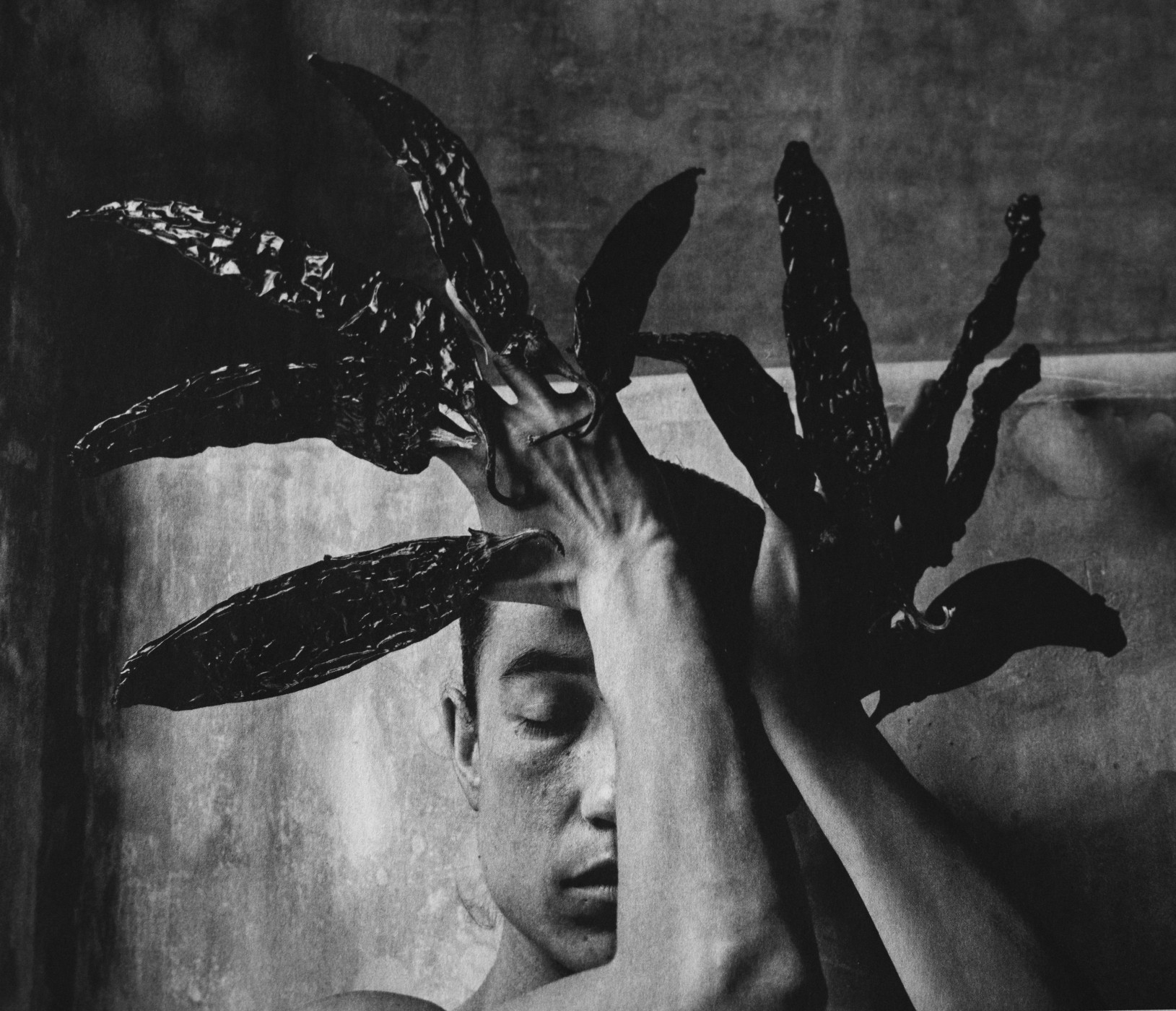
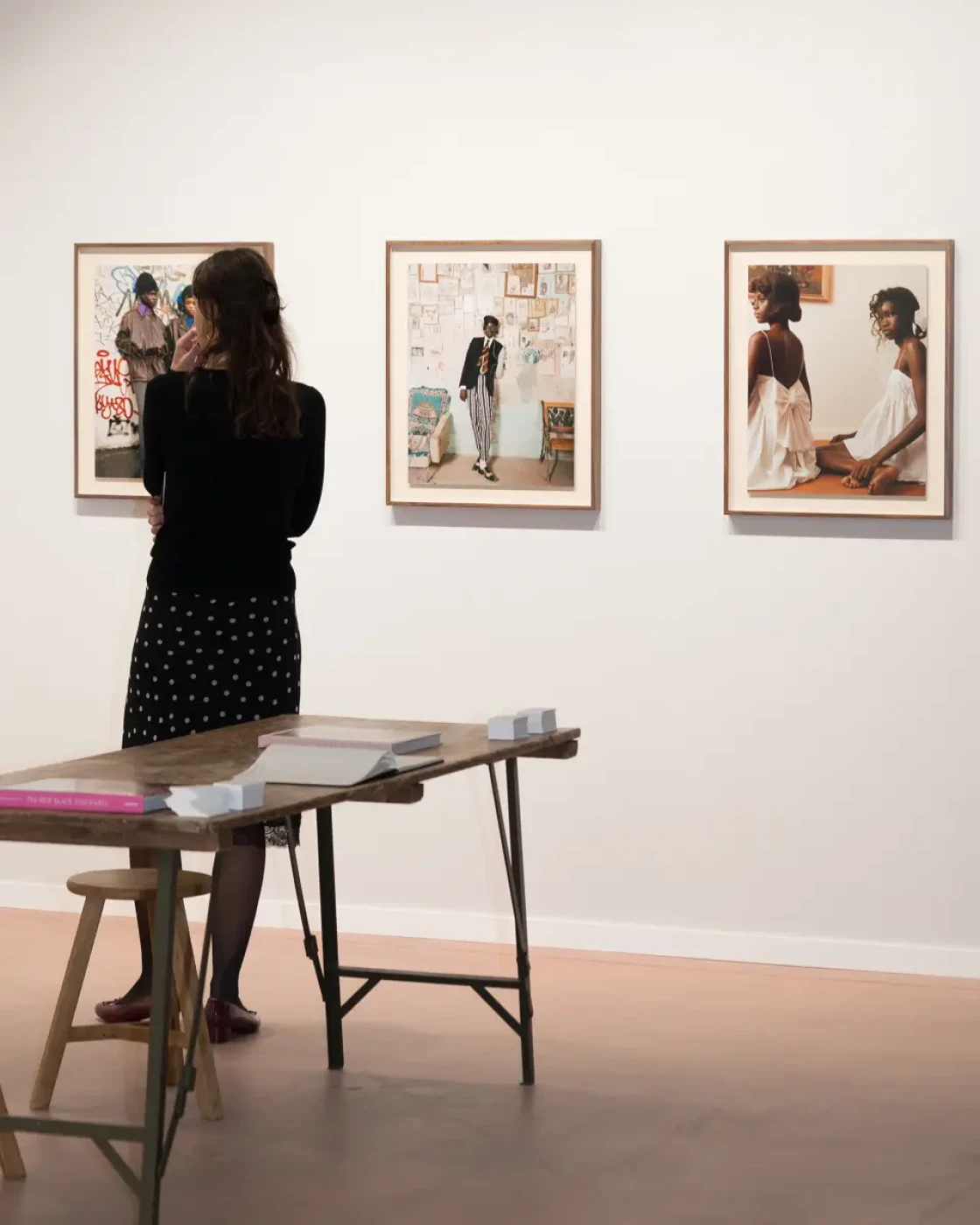
Among the presentations, Nadine Ijewere at Huxley-Parlour offered a contemporary perspective on portraiture and individuality. Known for her distinctive visual language, Ijewere has helped challenge traditional representations of beauty, creating images that feel both intimate and quietly powerful.
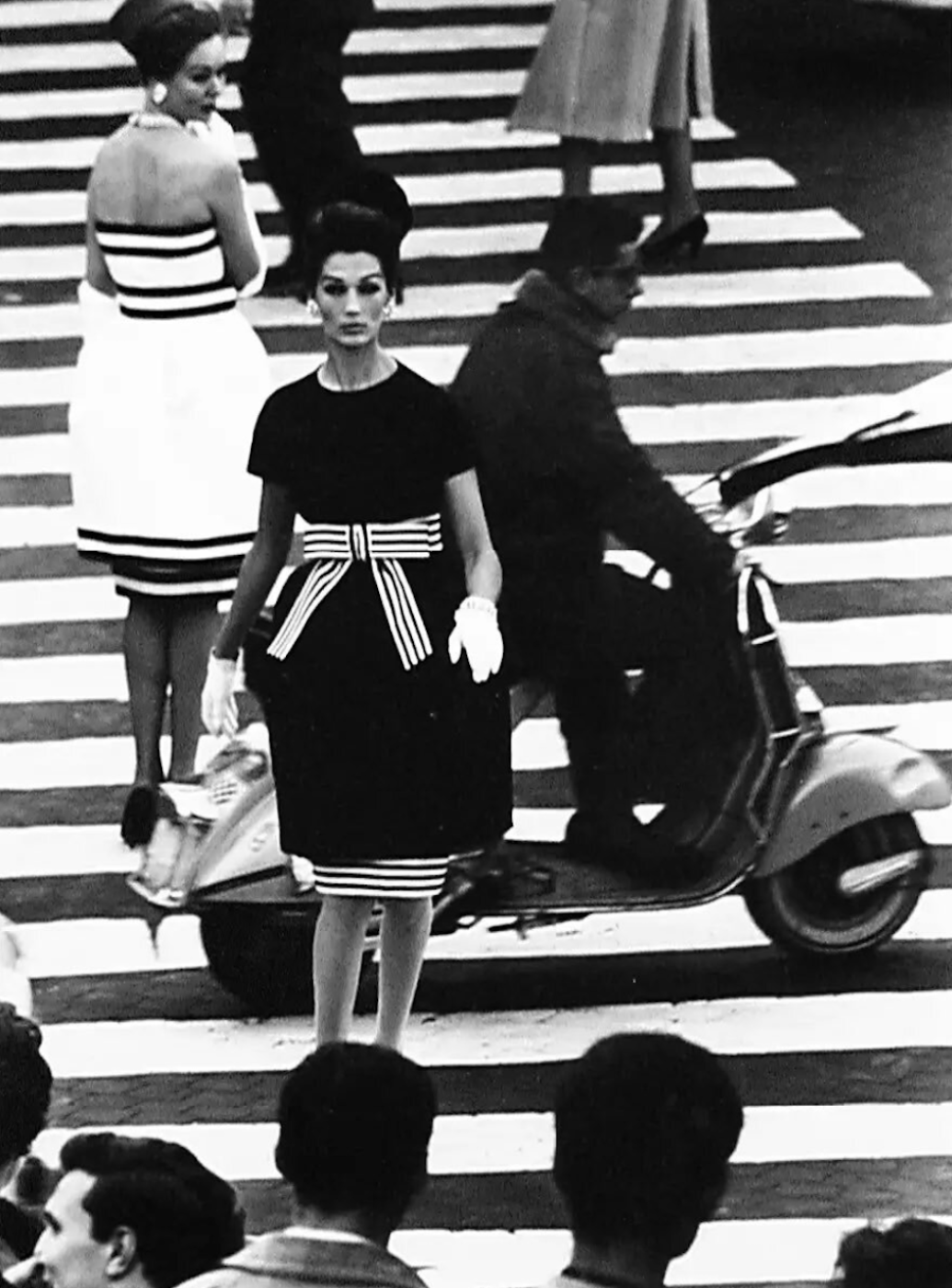
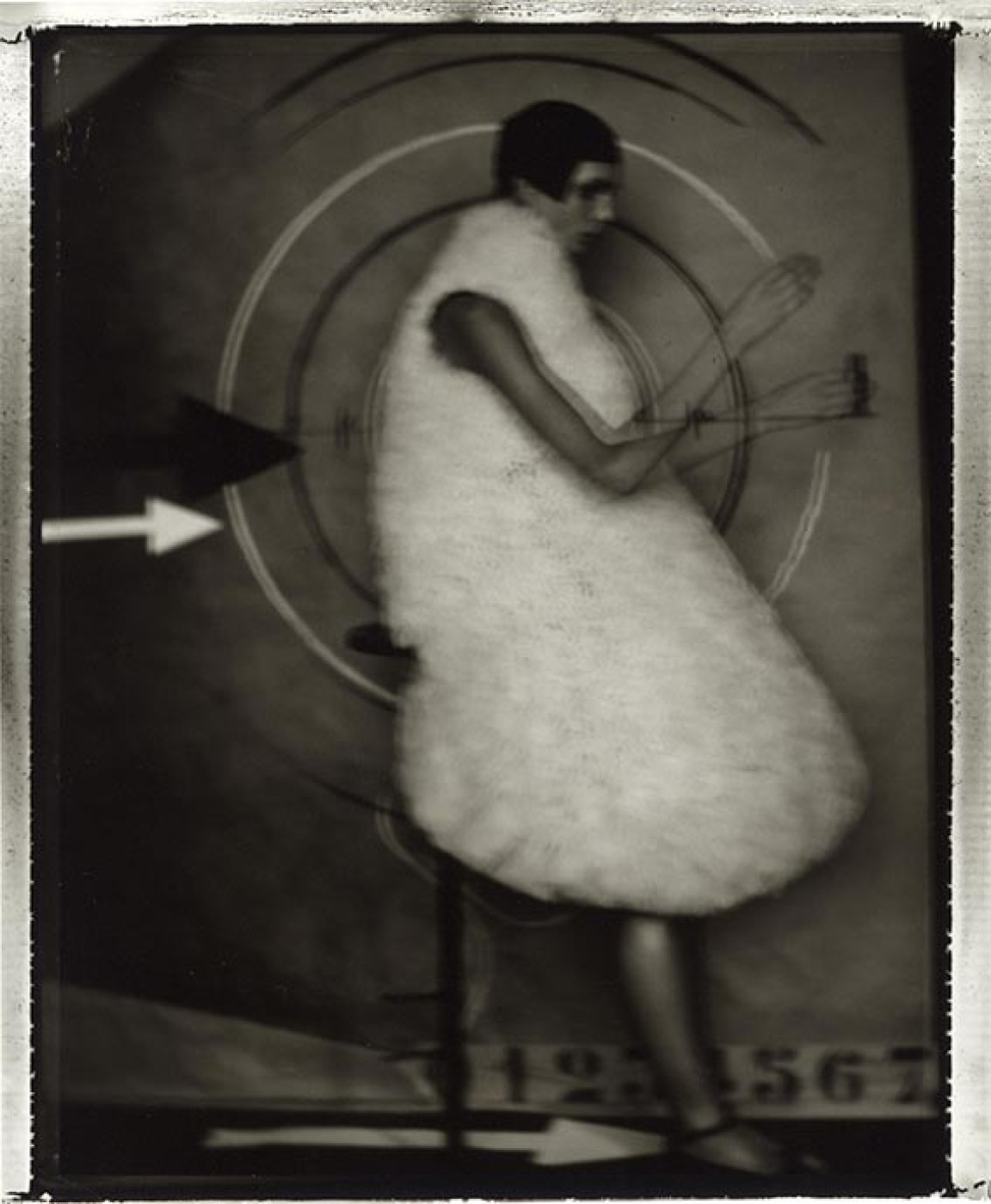
Other presentations included Bruce Weber at Alta, Donna Trope at Carole Lambert and William Klein at M77, while Sarah Moon was represented in the fair's wider programme.
Their approaches differ considerably, yet each demonstrates the creative possibilities of fashion photography. A gesture, an unexpected composition or a particular quality of light can transform a fashion image into something more personal and enduring.
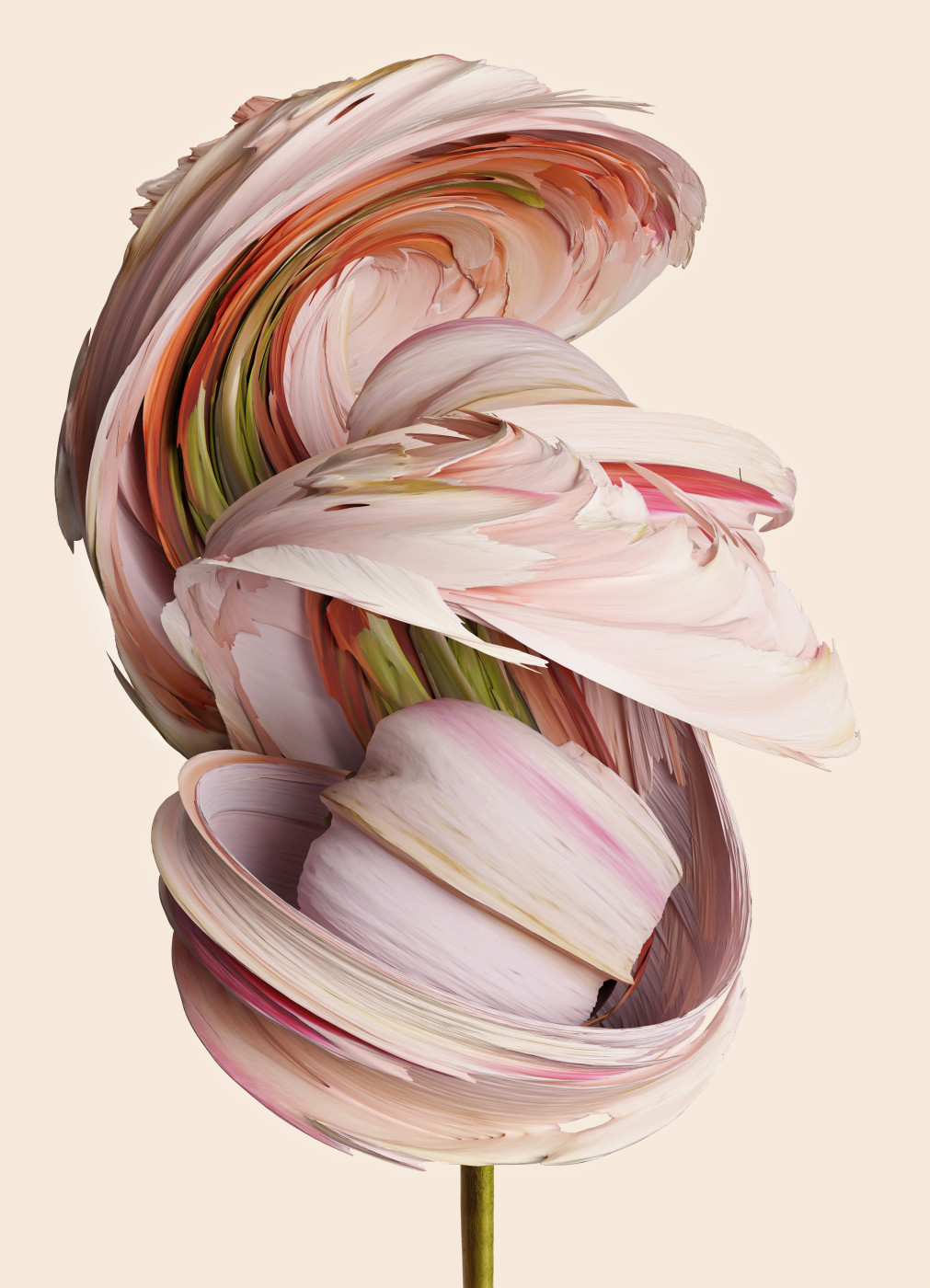
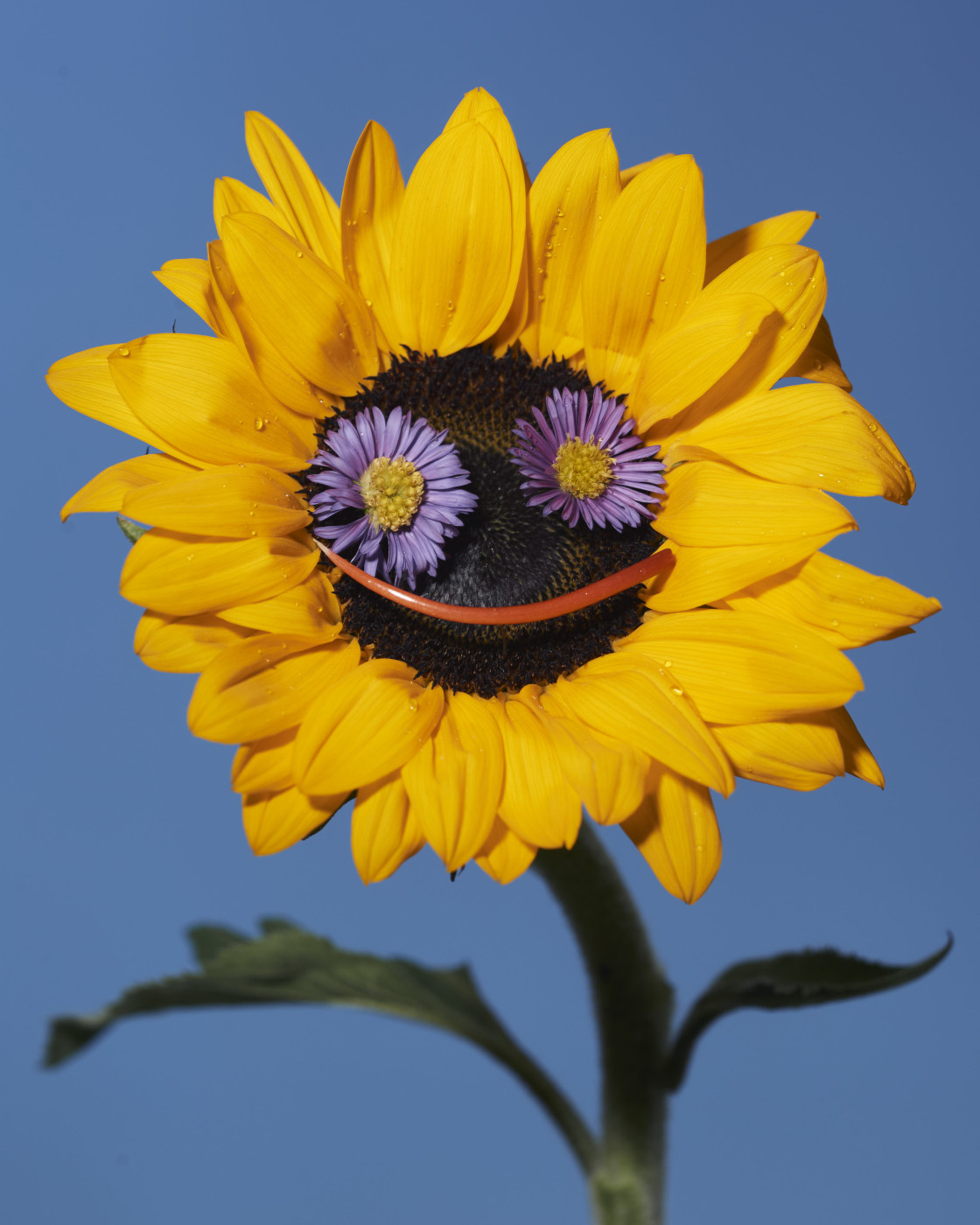
A particularly imaginative example of photography's theatrical possibilities came from Philippe Jarrigeon, recipient of the 2026 Maison Ruinart Award.
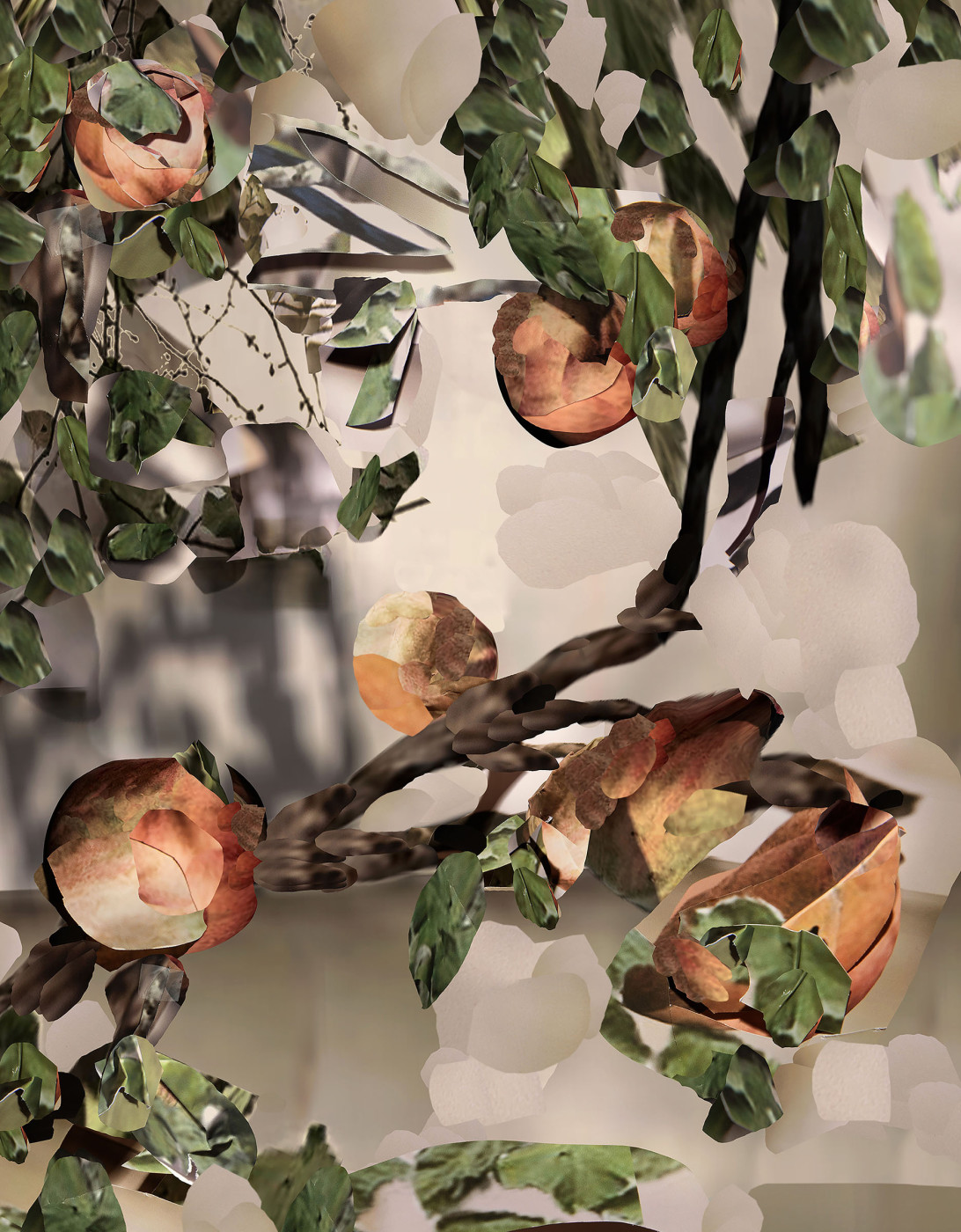
His series Le Vrai du Faux, created during a residency in Champagne, drew inspiration from the extraordinary twisted silhouettes of the Faux de Verzy trees. Through playful arrangements of trees, flowers and shells, Jarrigeon transformed the natural landscape into a surreal world where familiar forms appeared almost fantastical.
The result reflected a sensibility closely connected to fashion imagery: an appreciation of colour, staging and the unexpected beauty of ordinary objects.
RETHINKING WHOSE STORIES WE SEE
The bicentenary also offered an opportunity to reconsider the history of photography itself.
For the 2026 edition of Elles × Paris Photo, curator Aldeide Delgado introduced An Oceanic Beginning, a programme that used the ocean as a starting point for exploring overlooked photographic narratives and the connections between different cultures and histories.
Since the initiative began in 2018, the proportion of women artists represented at Paris Photo has increased from 20% to 38%.
Beyond the figures, the programme reflected a wider shift in how photography's history is being understood. Celebrating two centuries of the medium also means recognising the artists and perspectives that have too often remained outside its established narratives.
THE ART OF TRAVEL
Photography's relationship with fashion and luxury extended beyond the galleries through publishing projects that transformed travel into a personal visual experience.
Louis Vuitton celebrated the tenth anniversary of its Fashion Eye collection with two new volumes, each offering a distinctive interpretation of a destination.
The first presented previously unseen archival photographs of Bangkok and its surroundings, taken in 1937 by George Hoyningen-Huene. Renowned for his elegant compositions and sculptural approach to photography, Hoyningen-Huene captured the city through a perspective shaped by his artistic sensibility.
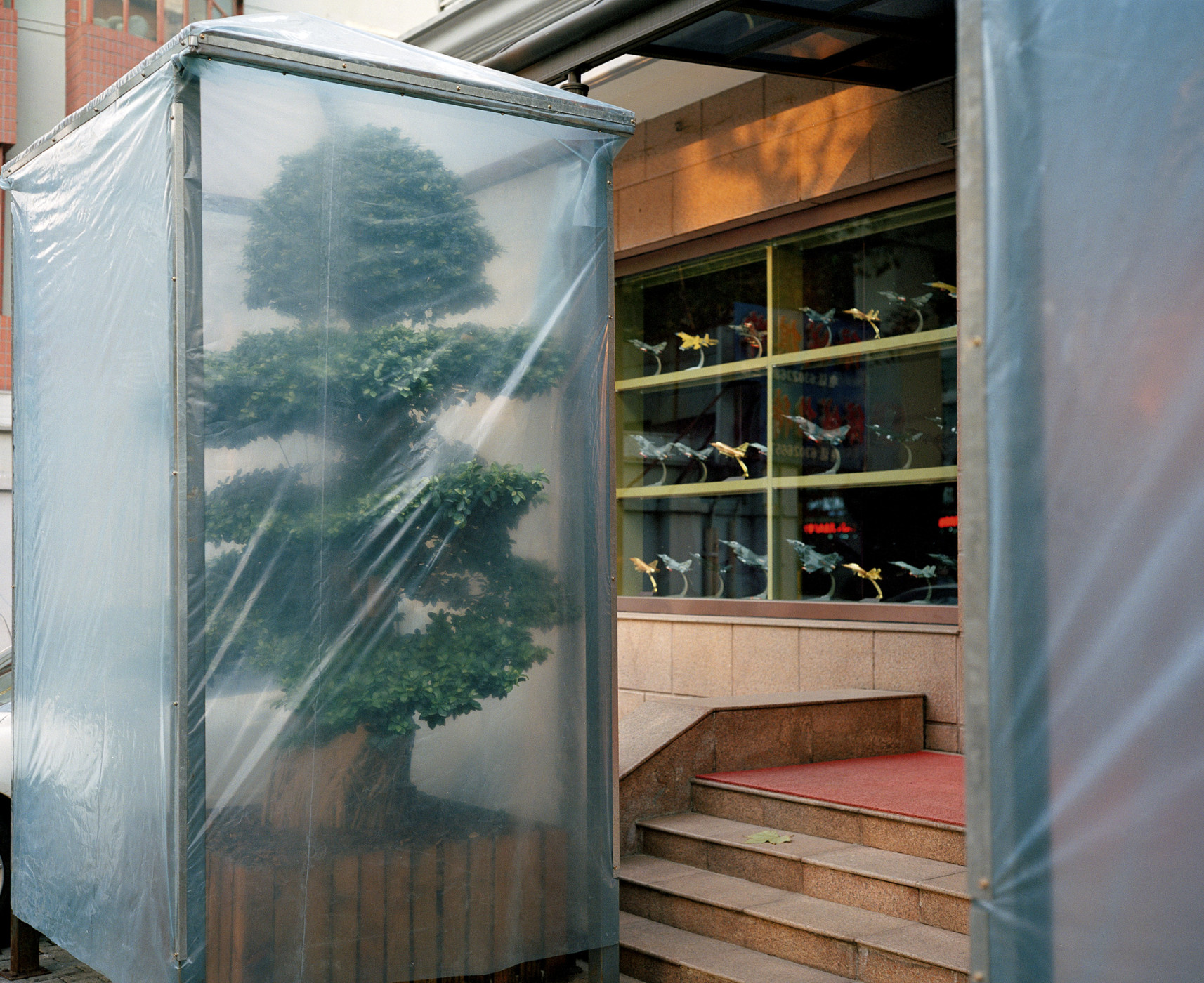
The second volume explored contemporary Shanghai through the lens of Chinese photographer Liu Shuwei, whose images revealed unexpected moments of beauty through reflections, transparency and the interplay of light.
Belmond returned to Paris Photo with its own celebration of photographic storytelling. Its As Seen By series, produced with RVB, introduced three new titles by Jack Davison, Chris Rhodes and Tara L. C. Sood, each interpreting a Belmond destination through an individual artistic perspective.
The presentation also included Recipes & Wanderings, developed with Apartamento, featuring photography by Laura Coulson and Nadine Ijewere, alongside illustrated books created with Assouline.
These projects illustrated a more personal approach to luxury storytelling. Rather than simply presenting beautiful destinations, they invited photographers to interpret places through their own memories, observations and creative imagination.
THE FUTURE OF LOOKING
Alongside its exhibitions, Paris Photo reaffirmed the enduring appeal of photographic publishing, with 48 publishers and more than 400 book-signing sessions.
In a world where images pass across screens in seconds, a photobook offers a different experience. Its carefully considered sequence invites the viewer to slow down, discover connections and spend time with the photographer's vision.
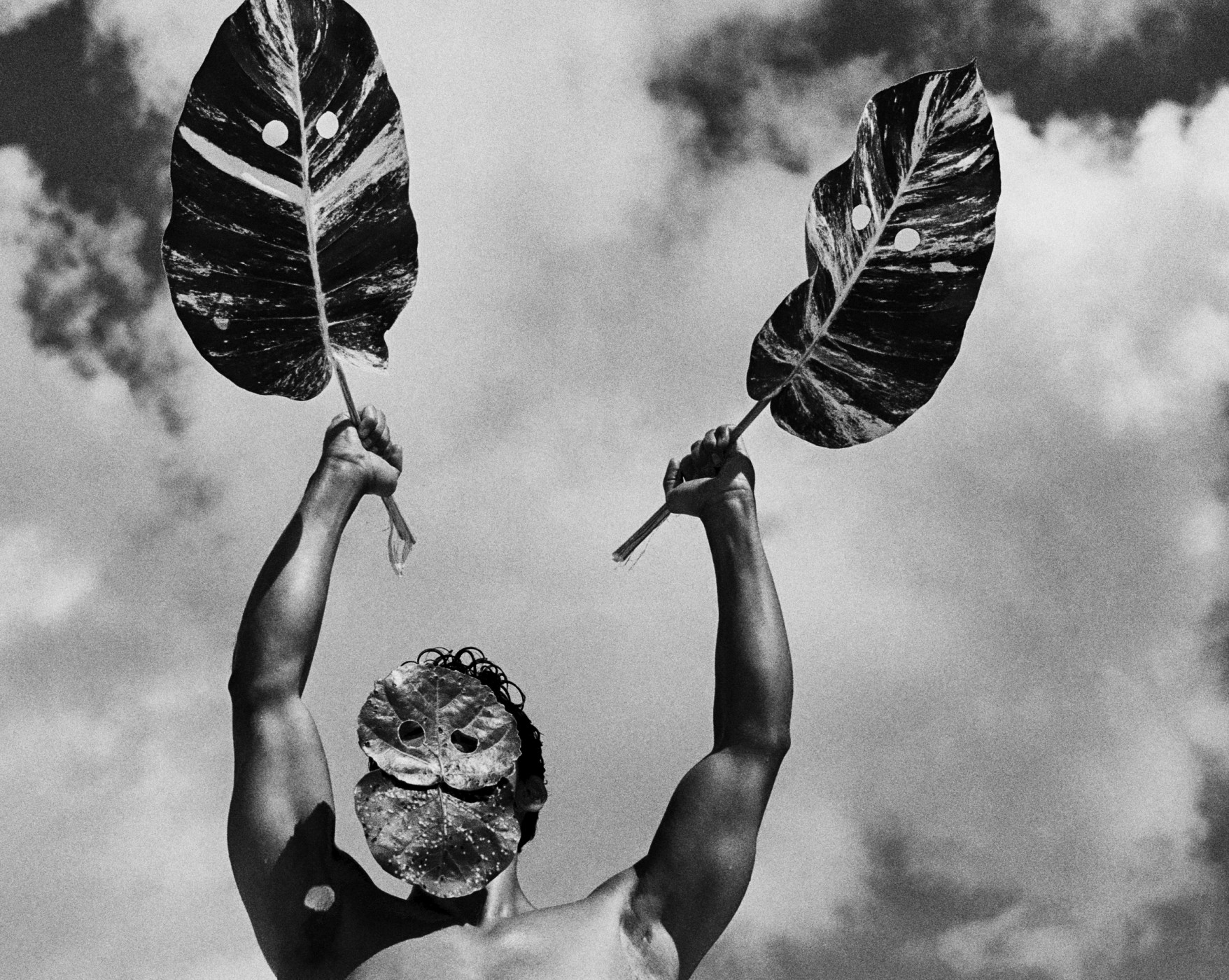
That contrast captured something essential about the fair. Photography may be evolving through artificial intelligence and new technologies, but its ability to inspire curiosity, preserve memories and challenge perception remains unchanged.
Two centuries after its invention, photography is no longer defined by a single technique, format or even the presence of a camera. Its most compelling possibilities lie in the perspectives it offers and the questions it encourages us to ask.
At the Grand Palais, Paris Photo 2026 demonstrated that the art of photography is ultimately the art of seeing differently.
Text: Editorial Team
Courtesy: Paris Photo 2026