Subscribe
On The NewsSubscribe
confirmed Your subscription to our list has been confirmed.













Cannes Lions 2026: The Year Tech Started Talking About Digital Karma
For the fifth year in a row, my team at HD Fashion & Lifestyle TV came to Cannes Lions — and after half a decade of watching this festival up close, I’ve come to see it as more than an industry gathering. Cannes has become a kind of cultural weather vane: a place where you can feel, often before everyone else does, where the worlds of fashion, media, advertising and technology are heading next.
It was here, five years ago, that I first heard serious conversations about artificial intelligence becoming part of everyday life — not in some distant, abstract future, but in every home, in every business, in every creative field. Back then, it still sounded like a prediction. Today, it feels less like a forecast and more like a fact.
Cannes has always been very good at spotting the next conversation before it becomes mainstream. But what struck me this year was not simply how present AI was — that was expected — but how much the conversation around it had changed. In 2026, the most interesting people in tech were no longer talking only about speed, scale and optimisation. They were talking about meaning.
When Tech Stops Talking About Efficiency and Starts Talking About the Soul
The most striking shift I noticed this year had nothing to do with a product launch, a viral campaign or a shiny new platform. It was the tone. The language. The questions being asked by the very people building the future.
When engineers, AI developers and Silicon Valley executives step onto the stage in Cannes and begin talking not about teraflops, cloud infrastructure or computational power, but about karma, purpose, responsibility and the human soul, you know something fundamental has shifted.
That, to me, was the real story of Cannes Lions 2026.
Because these are the people who understand first-hand the scale of what they’ve built. And perhaps they are also the first to understand that the real limits of artificial intelligence are no longer technical. They are ethical, philosophical and profoundly human.
The question is no longer what AI can do. It is what AI is doing to us — to our work, our sense of identity, our attention spans, our economies, our children, our values. And once that question enters the room, the conversation inevitably becomes bigger than technology.
For years, the tech industry has spoken in the language of acceleration. This year, in Cannes, it began speaking in the language of conscience.
Oprah Set the Emotional Tone of the Week
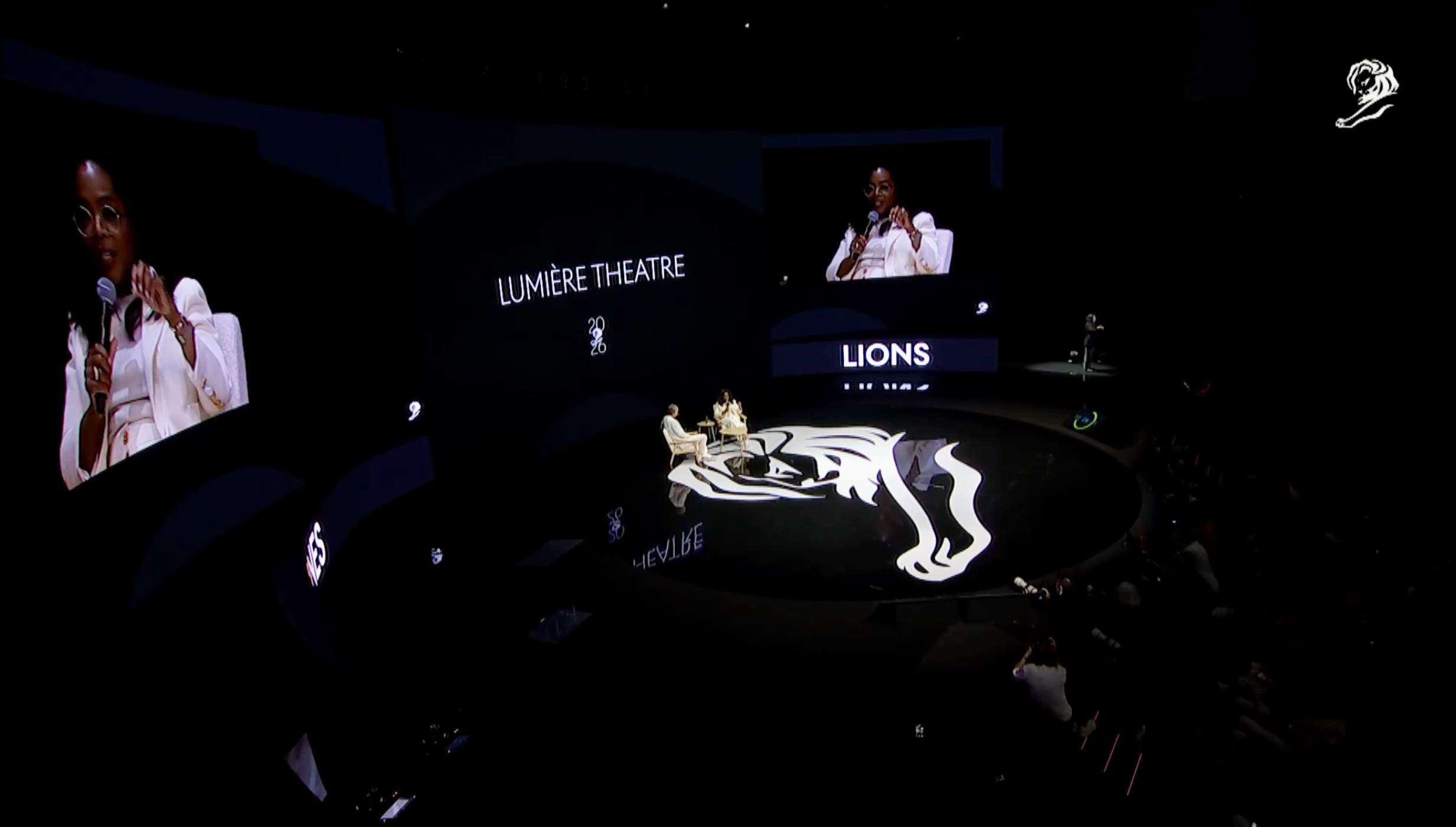
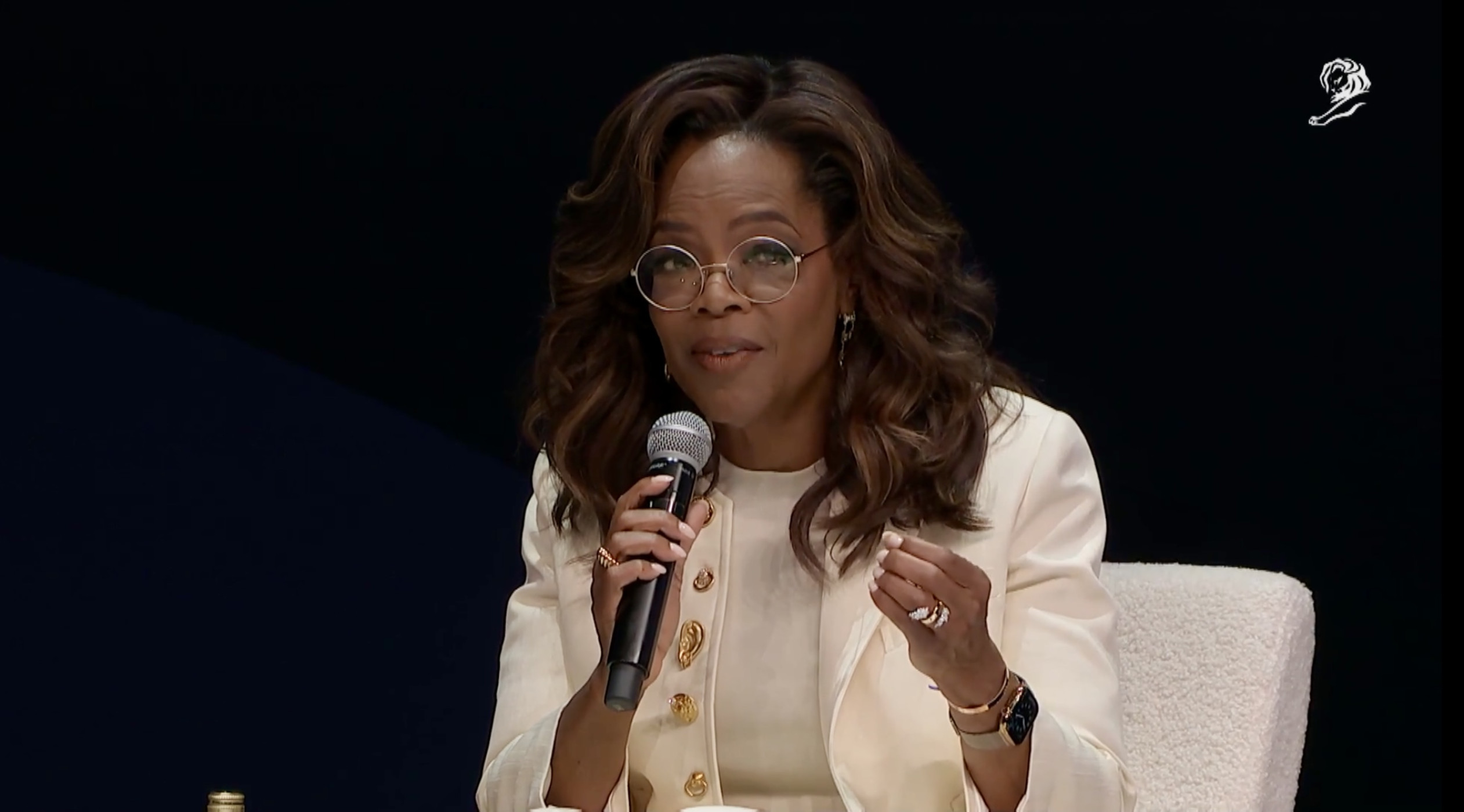
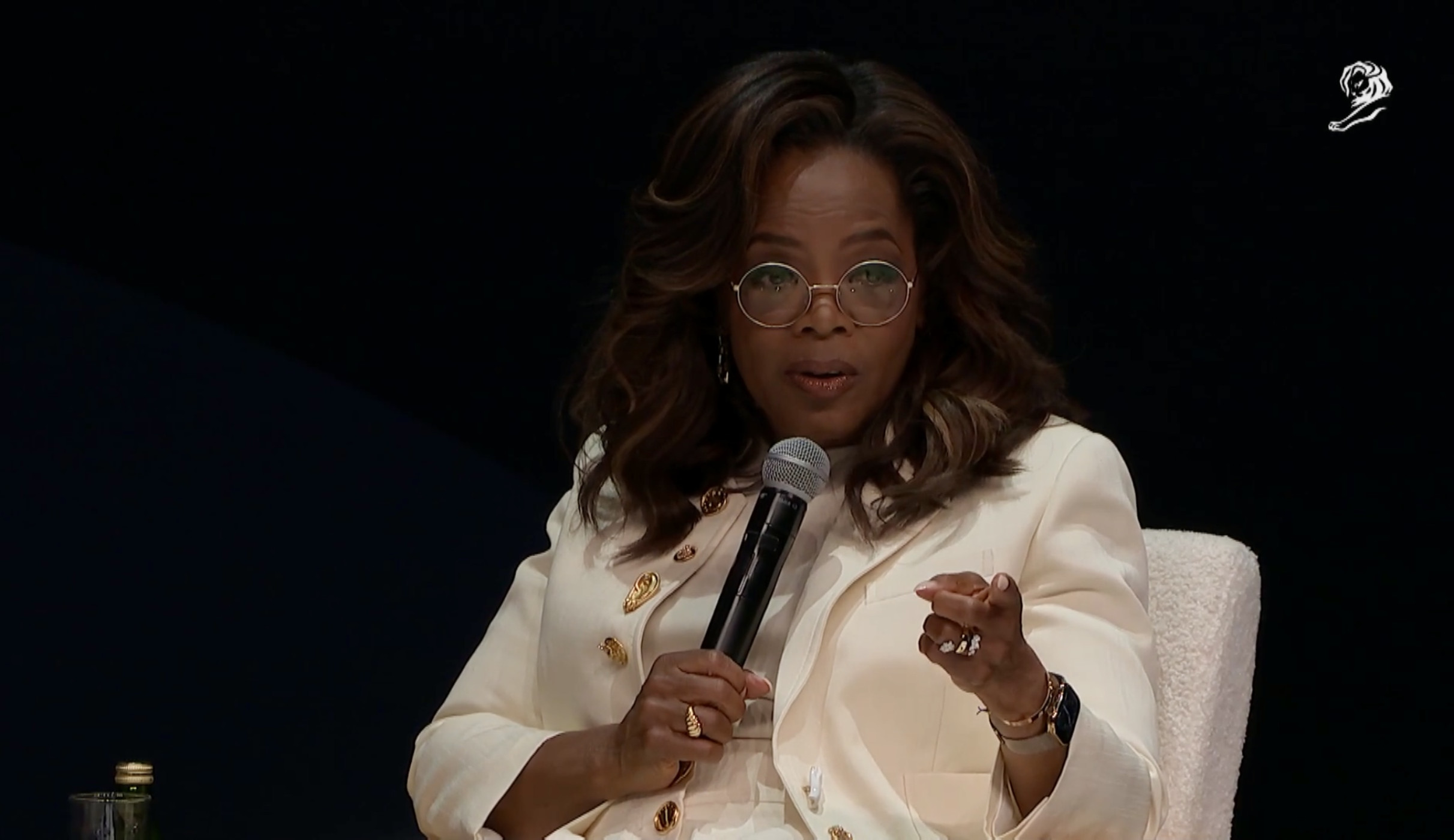
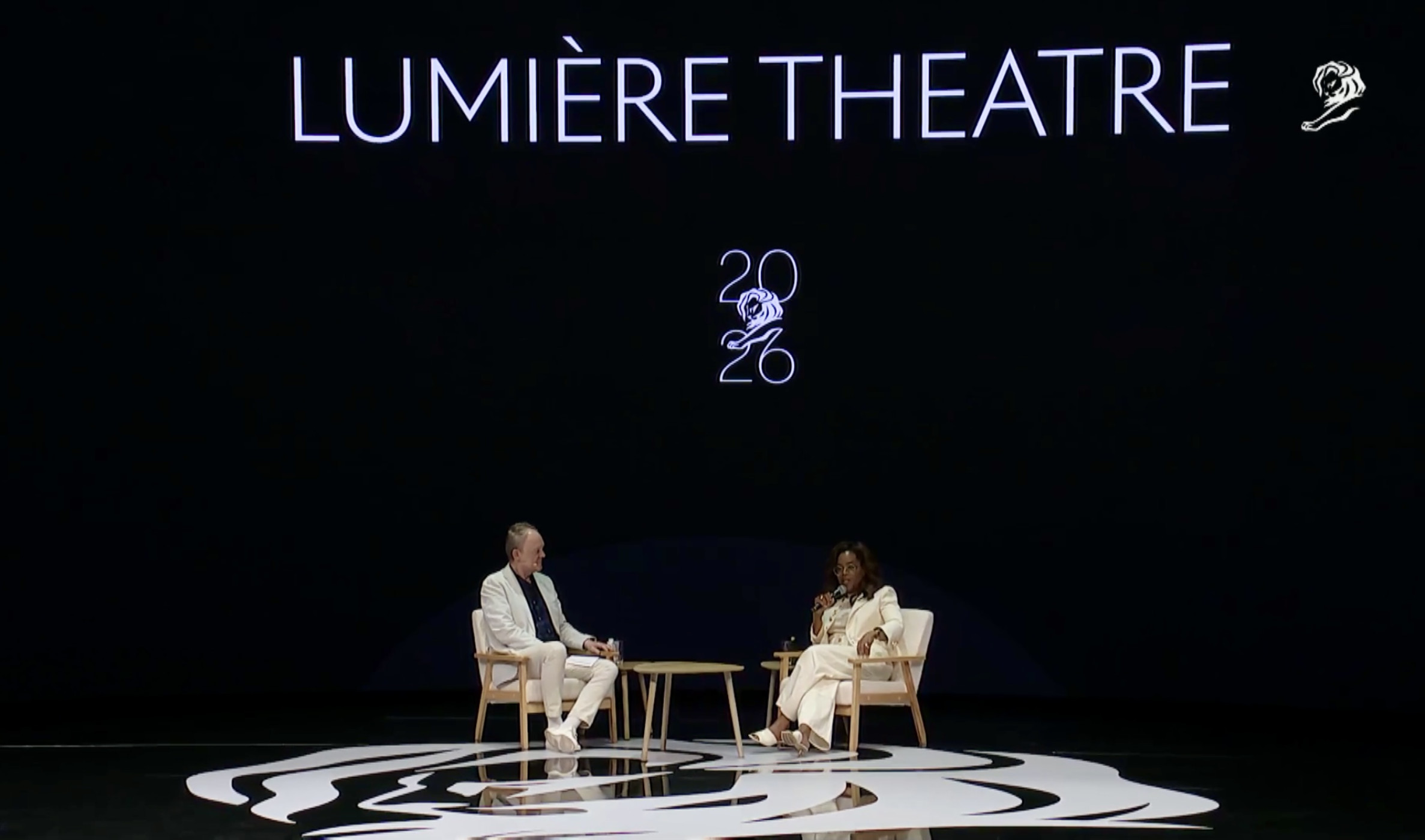
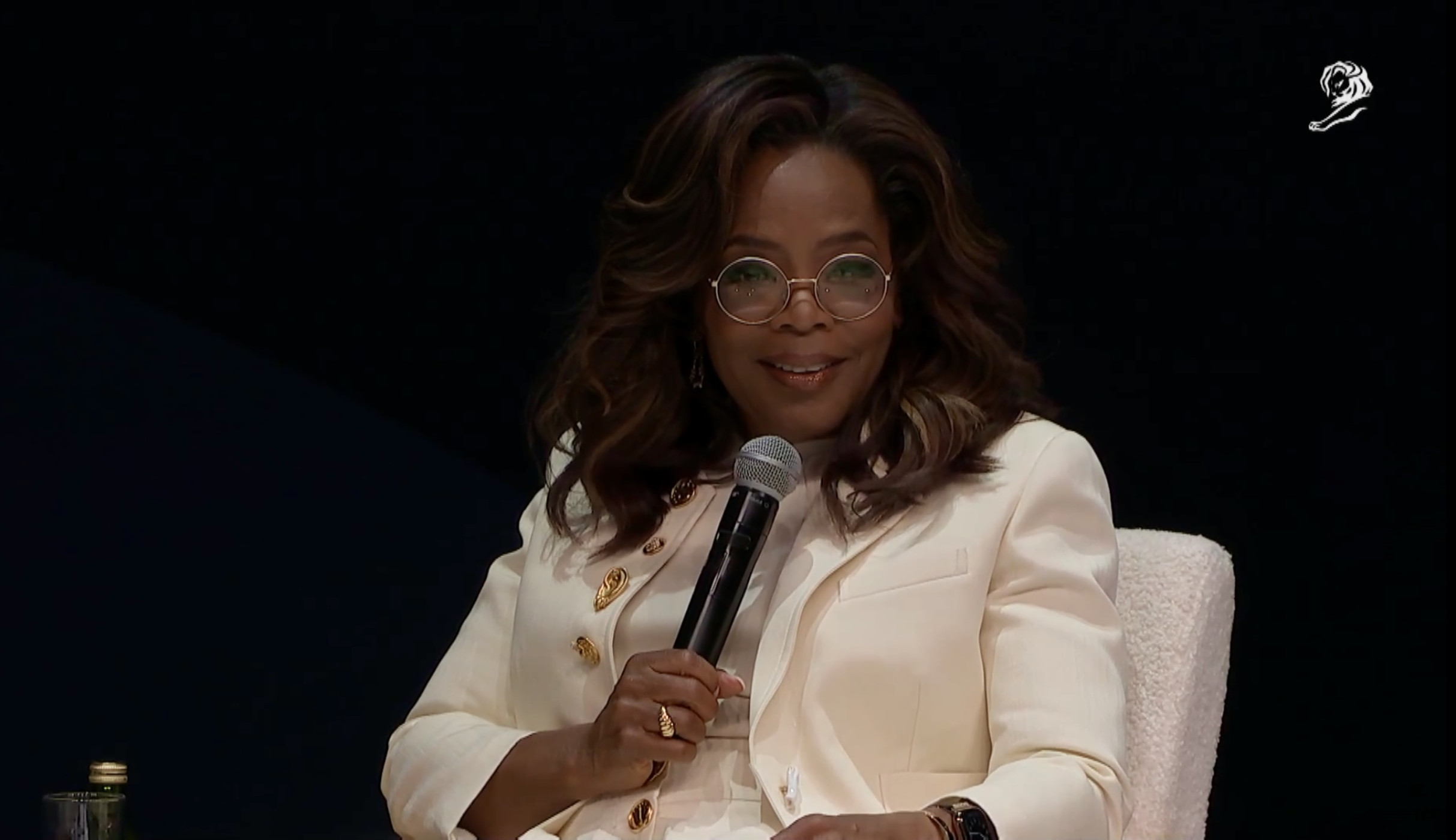
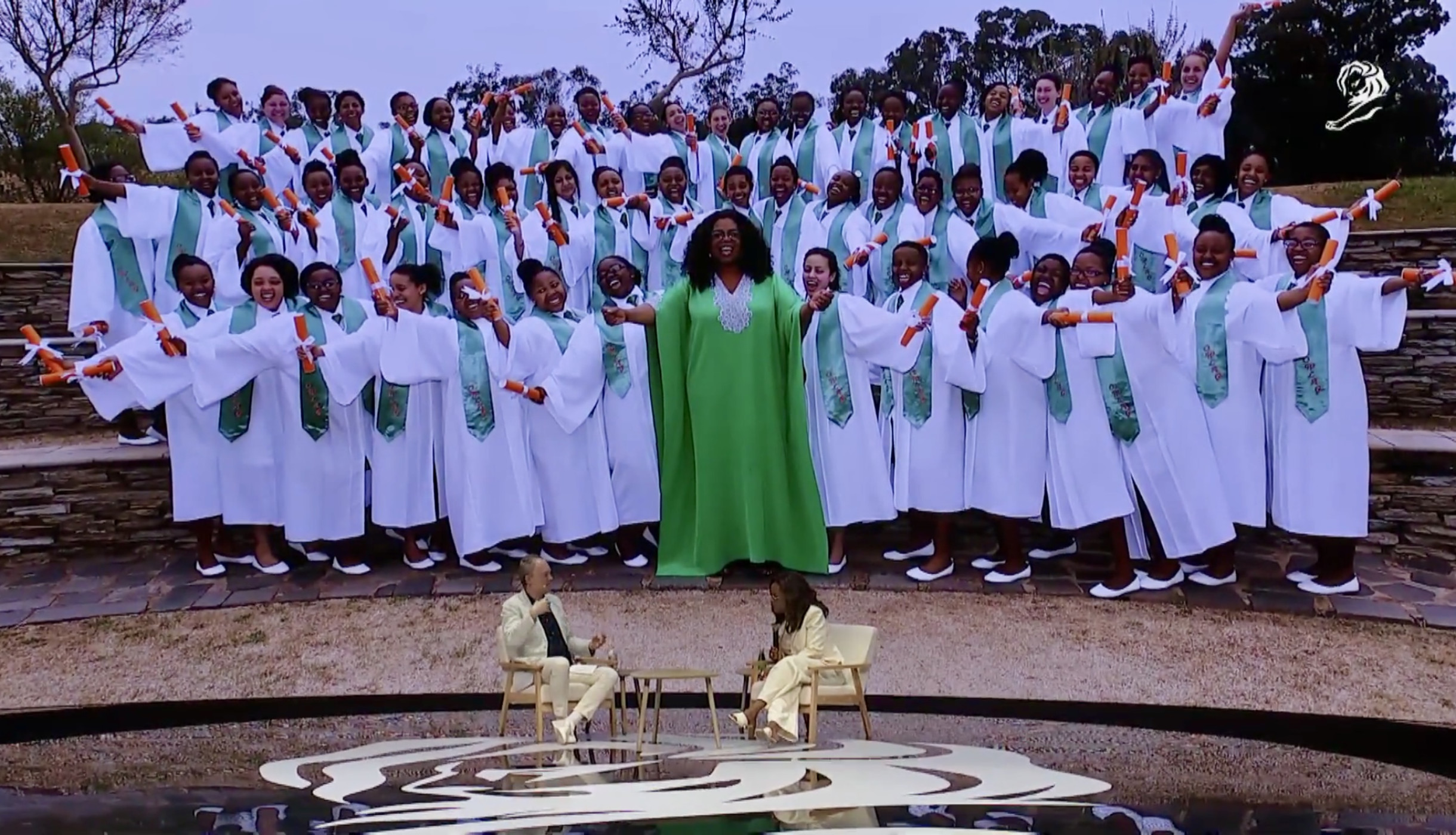
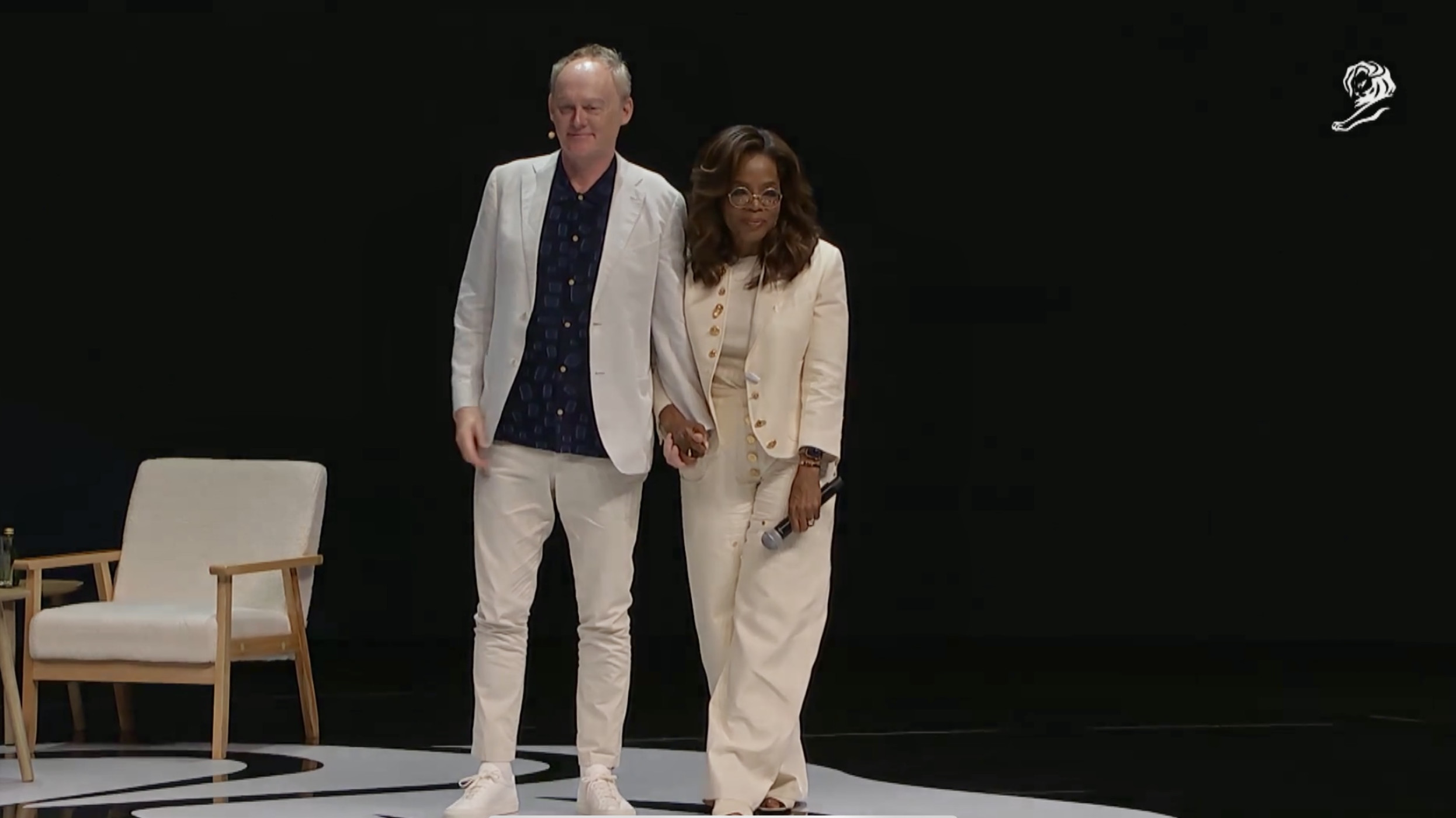
If there was one moment that crystallised the mood of the festival, it was Oprah Winfrey’s appearance.
Her talk felt bigger than a keynote. It set the emotional tone not just for the day, but for the week as a whole. In the middle of a festival dominated by discussions around AI, automation, disruption and the future of business, Oprah brought the room back to something far more elemental: legacy.
Not legacy in the corporate sense. Not titles, valuations, reach or virality. But legacy in its truest form — what we leave behind in people.
The line that stayed with me, and perhaps one of the most important things said in Cannes this year, was this: “My legacy is every single life I touch. Not a title, not a number, not a viral moment.”
That sentence landed with unusual force in a week otherwise saturated with metrics, growth language and technological ambition. It reframed the conversation entirely. What matters, Oprah seemed to say, is not how visible your success is, but how deeply your presence changes the lives of others.
And in many ways, that became the underlying question of Cannes Lions 2026. In a world obsessed with speed, scale and artificial intelligence, what still counts as meaningful human value? What remains when the noise fades? What, exactly, are we building all of this for?
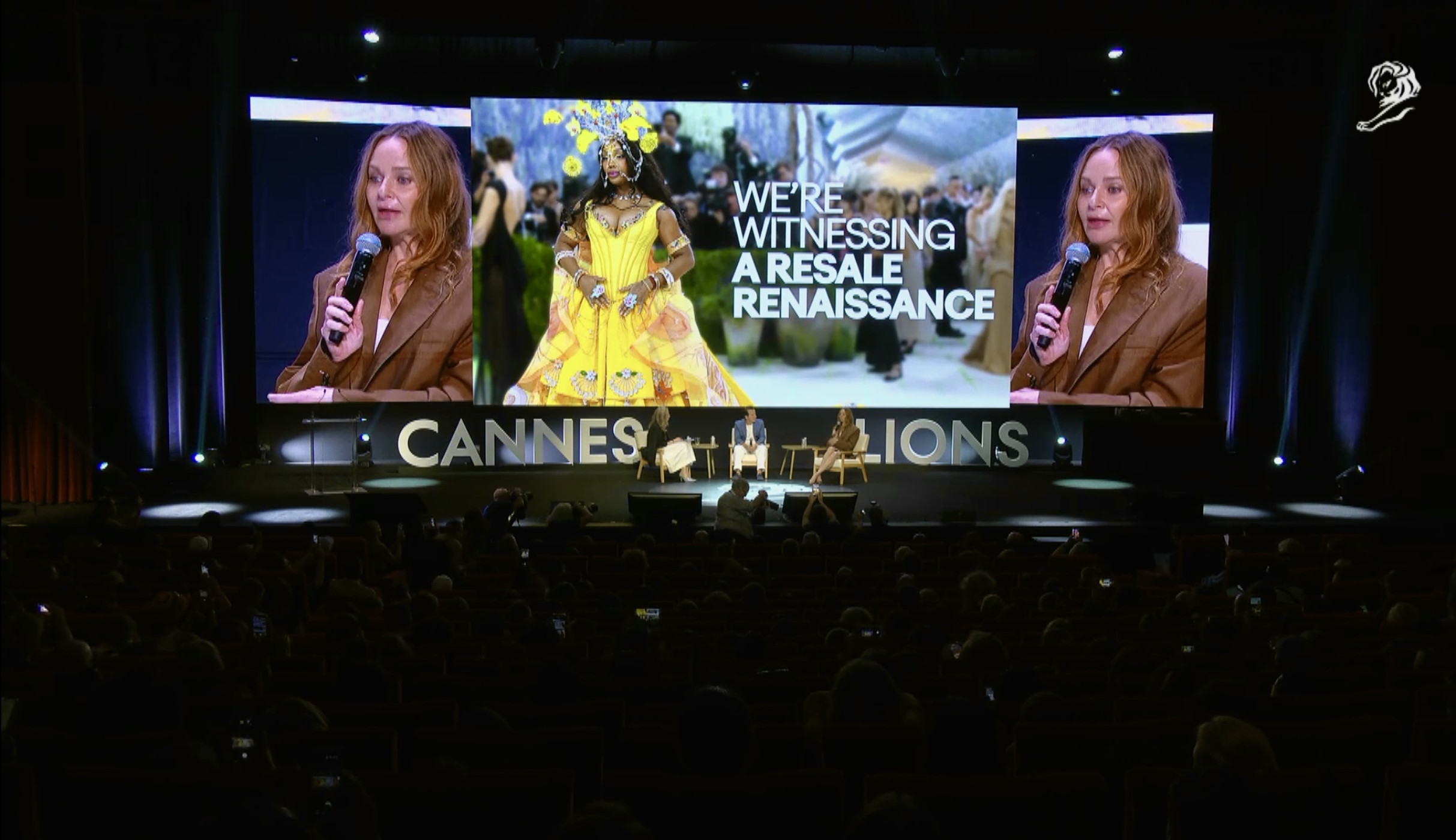
Another change was impossible to miss: Cannes felt markedly less full this year. There were moments when it seemed even organisers were uneasy about attendance levels — including at sessions headlined by names as powerful as Oprah. At a festival like Cannes Lions, that is revealing. But the thinner crowds were not just a matter of mood. They reflected a deeper structural shift unfolding across the industry
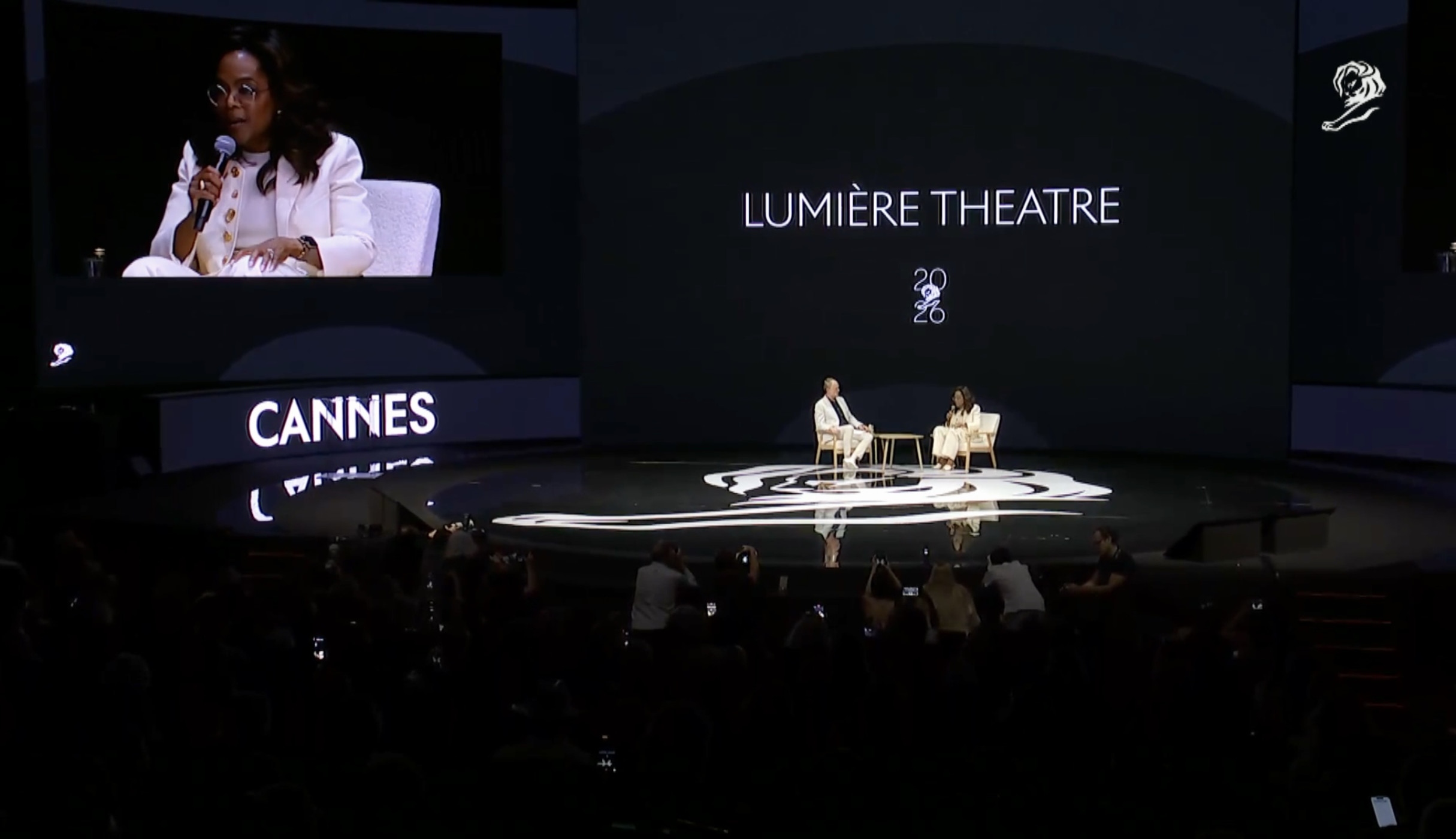
In 2026, amid tighter budgets, greater scrutiny on travel spending and the automation of so many day-to-day functions, the old model of sending large teams to Cannes appears to be over. Agencies are no longer flying in layers of creatives, strategists, account managers and middle management simply to “be there”. Travel budgets are now reserved for senior leadership — the CEOs, CCOs and decision-makers expected to return with business.
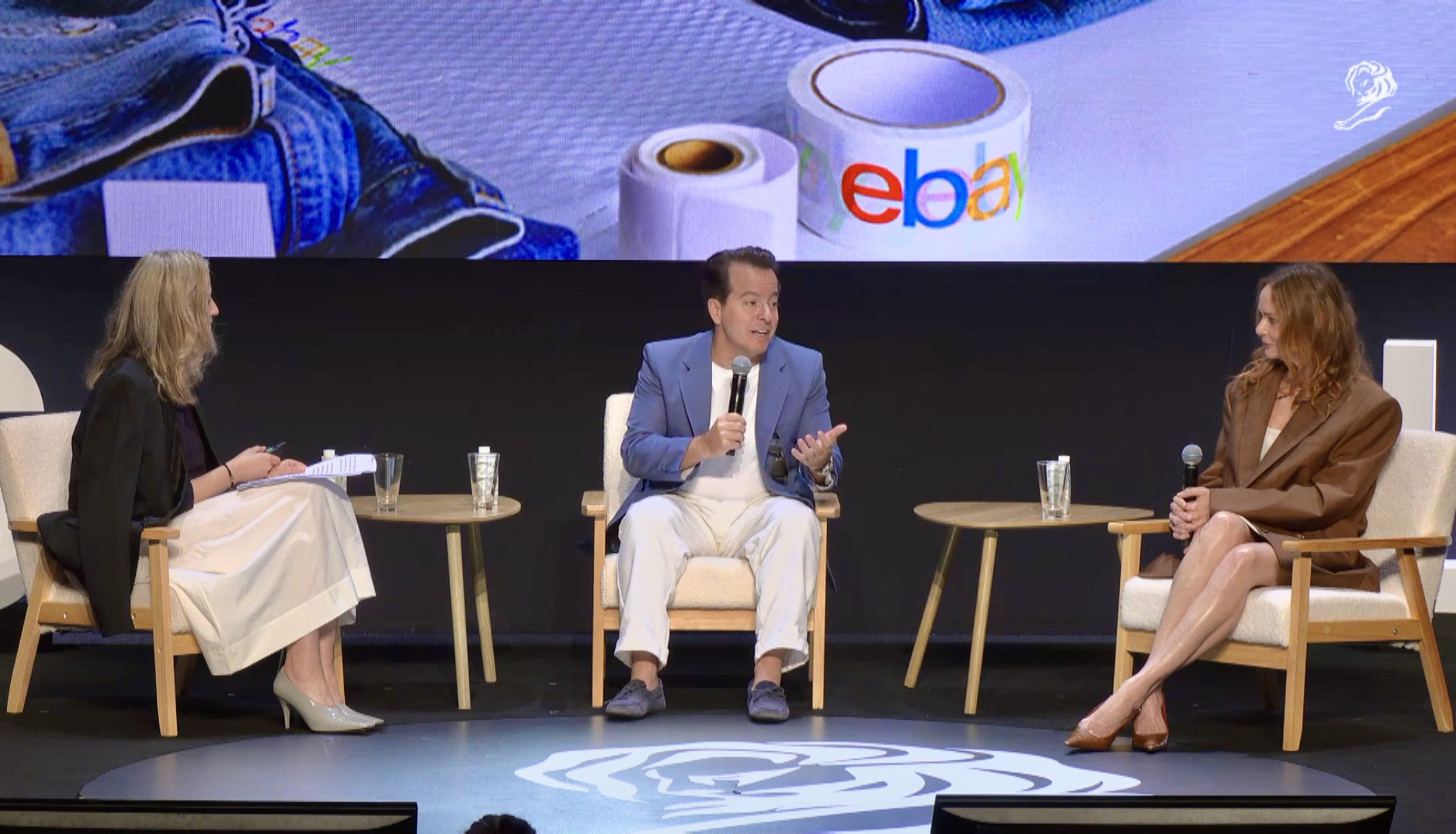
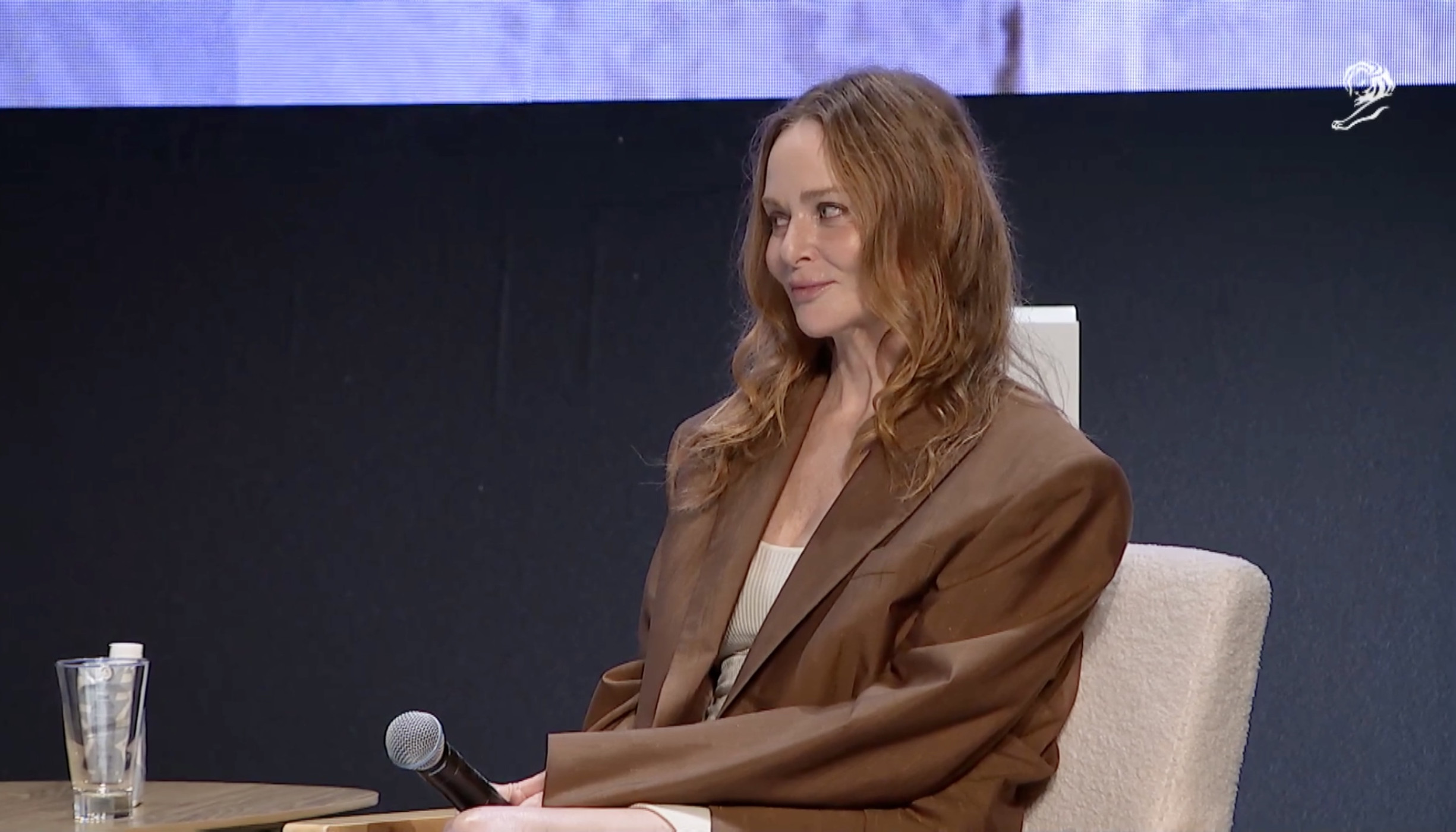
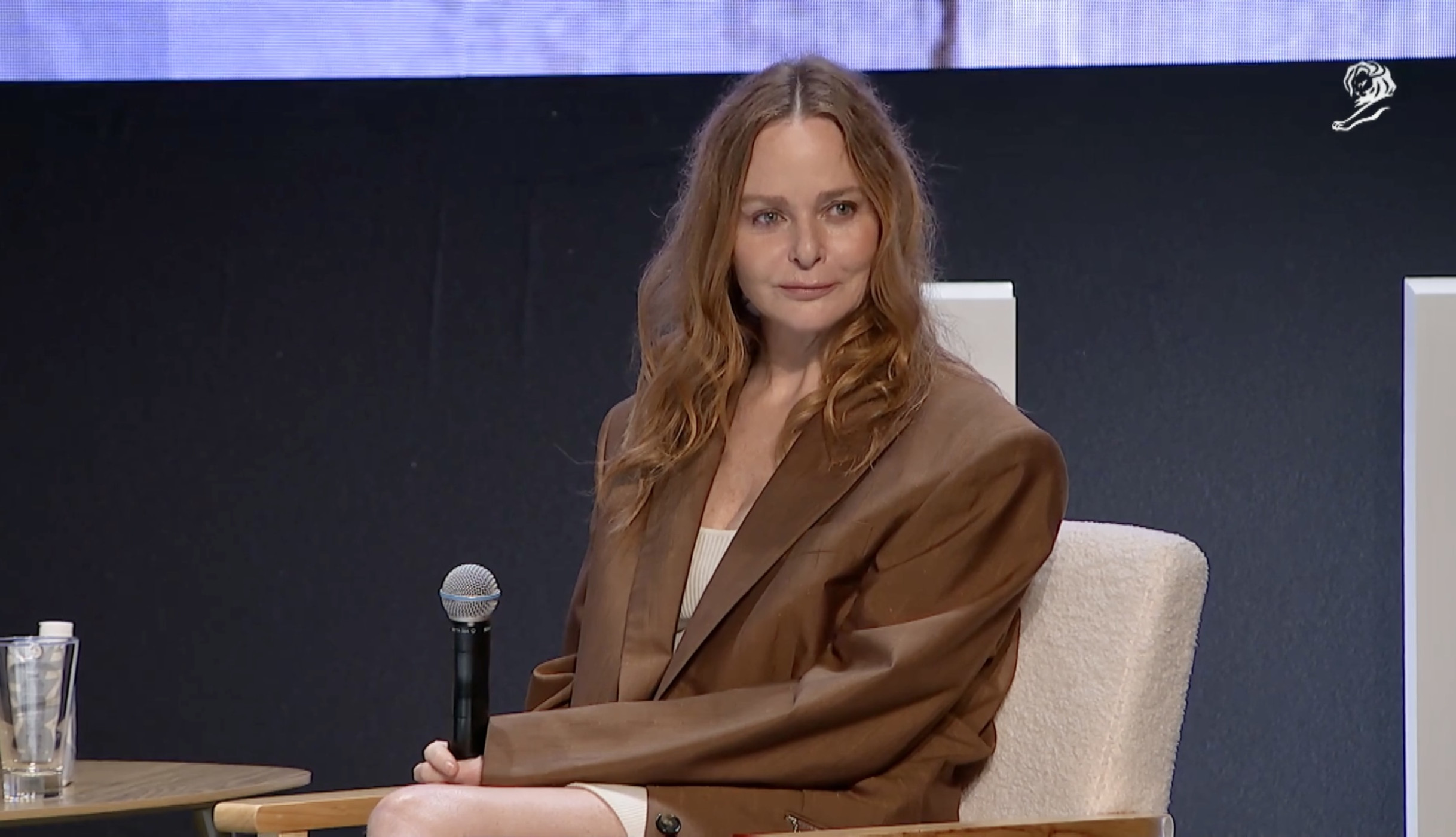
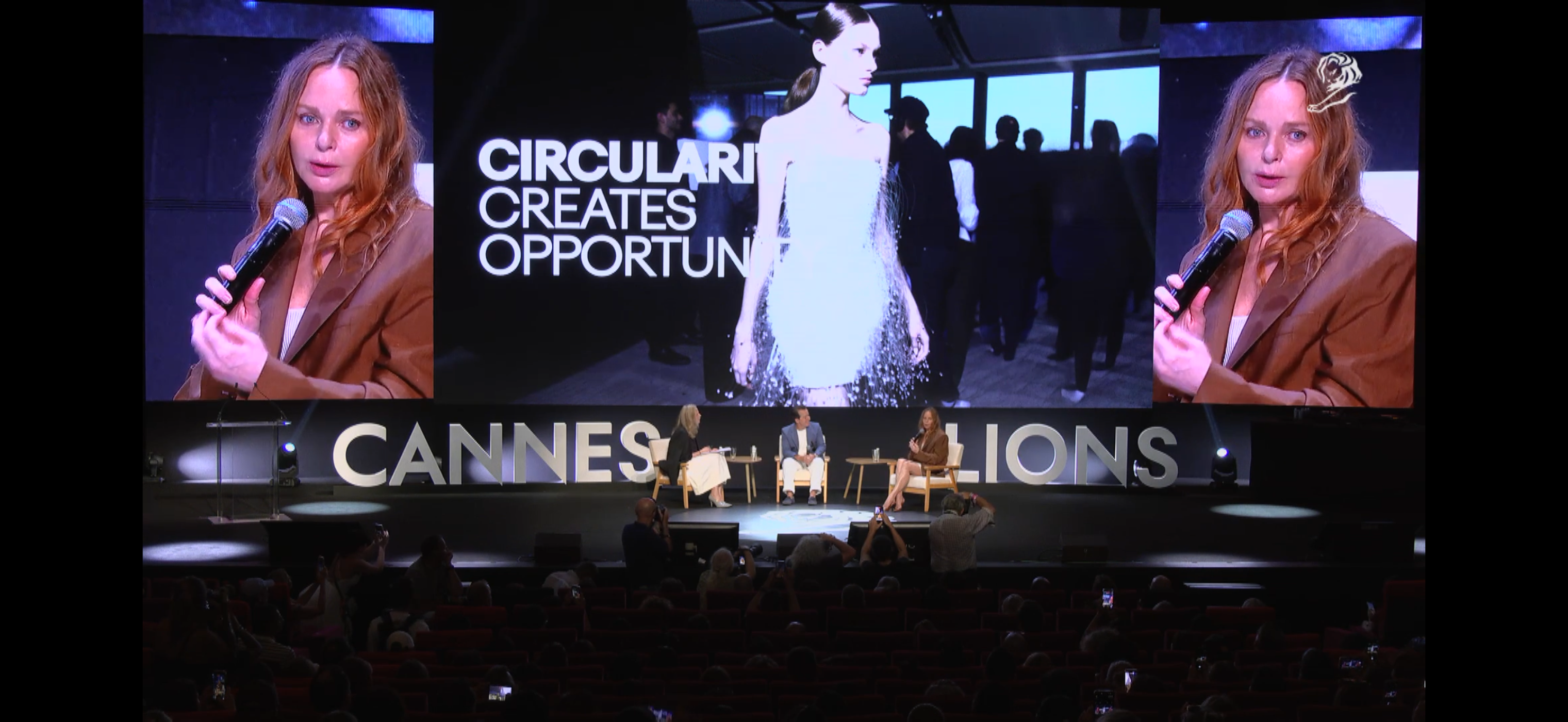
An eBay panel featuring Stella McCartney—in the luxury, fashion, and sustainability space, a category that has long been one of Cannes’ most reliable draws—was only half full. The balconies were empty. A few years ago, that would have been unthinkable. This wasn’t just about one session underperforming. It felt symbolic. Because if even a Stella McCartney conversation on fashion and sustainability no longer guarantees a packed room, then something deeper is changing in the hierarchy of attention.
It is not that sustainability has stopped mattering. Quite the opposite. But the centre of gravity has moved.
From Sustainability to Digital Karma
For years, Cannes gave significant space to conversations around sustainability in its more familiar form: circular fashion, greener production, plastic reduction, responsible sourcing, conscious consumption. Those conversations are still necessary. But this year, they no longer felt like the most urgent ones in the room.
The urgency has shifted.
The dominant anxiety now is not only how to produce more responsibly, but how to live responsibly in a world being reshaped by intelligent systems. How AI will transform labour markets. Which jobs disappear first. Who governs the systems making decisions on our behalf. What happens to human creativity, human judgement and human agency in an algorithmic economy. And, not least, what the environmental cost of AI itself looks like, given the immense energy demands of data centres and large-scale computation.
In other words, the conversation has moved from classic sustainability to something more existential — what I can only describe as digital karma.
Not just what we are making, but what that making is doing to the world. Not just innovation, but consequence. Not just progress, but responsibility.
And perhaps that is why the most resonant discussions this year were not necessarily the most glamorous ones. They were the ones trying to answer a much harder question: how do we preserve the human in a world we are teaching machines to imitate so well?
The Real Takeaway From Cannes Lions 2026
For me, Cannes Lions this year was not simply a festival of ideas. It was a mirror held up to an industry — and perhaps to a wider culture — in the middle of a values recalibration.
Because beneath the beach clubs, the brand activations and the polished panels, the real conversation in Cannes was not about what AI can build. It was about what kind of people we become while building it.
And perhaps that is the true legacy question of 2026 — not how much we produce, how much we scale or how visible we become, but how many lives we touch, and what we leave behind in them.
Yulia Harfouch
Editor-in-Chief and CEO of HD FASHION TV